Find an Obsession Therapist in New York
On this page you will find therapists who specialize in obsession across New York, offering both in-person and online options. Browse the listings below to compare approaches, credentials, and availability so you can find a provider that fits your needs.


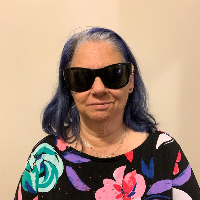




Josephine Ovalles
LCSW
New York - 13 yrs exp

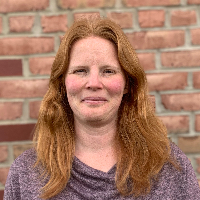
Claudia Stoscheck
LCSW
New York - 30 yrs exp














How obsession therapy works for New York residents
If you are exploring therapy for persistent intrusive thoughts or repeated behaviors that cause distress, understanding how treatment generally works can help you feel more prepared. Initial appointments typically focus on building rapport and gathering a clear picture of what you are experiencing. A therapist will ask about your symptoms, patterns, daily routines, and how these challenges affect your work, relationships, and routines. From there you and the clinician develop a treatment plan that blends therapeutic techniques with manageable goals that fit your life in New York.
Many therapists use structured, evidence-informed approaches to address obsessive thoughts and behaviors. Cognitive strategies help you examine and reframe unhelpful thinking patterns, while behavioral methods focus on changing responses that keep unwanted cycles going. Sessions are usually scheduled weekly at first and may shift over time as progress is made. You can expect regular check-ins on what is and is not working so your plan can be adjusted as needed.
Finding specialized help for obsession in New York
New York’s diverse urban and regional landscape means you can find clinicians with a wide range of training and backgrounds. In New York City there is a large pool of clinicians trained in specialized techniques, while cities such as Buffalo, Rochester, Albany, and Syracuse also host practitioners who focus on obsessive patterns. When you search listings, look for therapists who list relevant training and experience in their profiles, such as advanced work with repetitive thoughts, anxiety-related conditions, or focused behavioral treatments. Licensure indicators like LCSW, LMFT, PsyD, or PhD give you a sense of professional standing, and many profiles will describe the therapist’s typical client population and therapy style.
Consider whether you want someone who works primarily in a clinic setting, in a counseling center, or who offers remote sessions. If you live outside a major city, telehealth can connect you with clinicians who have niche specializations that may not be available locally. For people in New York City you may have more options for in-person specialty care, while residents of smaller cities like Buffalo or Rochester may find that a blend of occasional in-person appointments and remote sessions provides the best fit.
What to expect from online therapy for obsession
Online therapy is a practical option if you have a busy schedule, limited local options, or prefer meeting from home. When you choose remote care, your therapist will typically use video or phone sessions to conduct assessments, teach coping skills, and guide behavioral practice. Many clinicians will also assign between-session exercises so you can gradually apply what you learn in real life. You should ask about how the clinician handles documentation, data protections, and how they prefer to communicate between sessions for scheduling or brief check-ins.
Online work can be especially useful for practicing exposure-based techniques in the environments where your thoughts and behaviors typically occur. It also allows you to maintain continuity of care when you travel or move within New York. Keep in mind that some situations - such as emergencies or safety concerns - are handled differently online. Make sure your therapist outlines a plan for crisis support and clarifies local emergency resources in your area, whether you are in Manhattan or a smaller community upstate.
Common signs that someone in New York might benefit from obsession therapy
You might consider seeking therapy if intrusive thoughts or repetitive behaviors take up a large portion of your day or interfere with responsibilities. You may notice that these patterns lead you to avoid certain places or activities, that they strain relationships, or that they cause ongoing distress even when you try to ignore them. Some people experience a cycle where anxiety sparks a behavior intended to reduce discomfort, but the behavior ultimately reinforces the anxiety and keeps the pattern going.
Another sign that therapy could help is if attempts to manage these experiences on your own have not led to lasting relief, or if self-directed strategies make daily functioning more difficult. You do not need to wait until symptoms become severe to reach out. Earlier intervention often means you can develop practical skills and routines that reduce the time and energy obsession-related concerns take from your life.
Tips for choosing the right therapist for obsession in New York
Look for relevant training and experience
When you review therapist profiles pay attention to training in focused approaches such as cognitive-behavioral techniques and exposure-based work. Many clinicians will describe their specialty areas, typical treatment pace, and whether they teach practical exercises you can use between sessions. If a therapist lists experience with obsession-related concerns, they are more likely to be familiar with the specific structure of exposure exercises and the patience those methods require.
Consider logistics and accessibility
Think about whether you prefer evenings or daytime appointments, and whether you want in-person sessions near transit routes in New York City or closer to home in Buffalo or Rochester. If transportation is a concern, online sessions offer flexibility, though you should confirm the clinician’s policies for missed appointments and how long typical sessions last. Insurance acceptance, out-of-pocket rates, and sliding scale options are also practical considerations, and many therapists include fee details in their profiles or will discuss them during an initial call.
Assess fit and communication style
A therapeutic relationship where you feel heard and respected is a major factor in success. You can get a sense of fit from an introductory phone call or an initial session. Ask about how the therapist measures progress and how they collaborate with clients on goals. If cultural background, language, or specific life experiences matter to you, seek clinicians who indicate that they work with similar communities or who highlight relevant cultural competence in their profiles.
Plan for practical and safety considerations
Before you begin work, make sure you understand how the therapist handles personal nature of sessions of records and what steps they take in case of a crisis. Ask about options for urgent contact and whether they coordinate with other providers if medication or additional support is part of your plan. If you are in immediate danger or feel at risk, contacting local emergency services or crisis lines in New York is the appropriate step.
Making the first contact and next steps
When you find a few profiles that look promising, reach out to schedule an initial consultation. Many therapists offer a brief introductory call so you can ask about their approach and get a sense of whether you would like to work with them. Use that conversation to ask about experience with obsession-focused work, typical treatment length, and what a week-by-week plan might look like. Remember that finding the right match can take time, and it is okay to consult with more than one clinician before deciding on a path forward.
Whether you are in the heart of New York City or in communities like Buffalo and Rochester, there are clinicians who focus on obsessive thoughts and behaviors and who can tailor treatment to your circumstances. With clear communication about goals and expectations, you can find an approach that helps you regain time, reduce distress, and rebuild routines that support the life you want to lead in New York.