Find an OCD Therapist in New York
This page lists therapists who specialize in obsessive-compulsive disorder (OCD) throughout New York. Browse the listings below to view profiles, specialties, and availability in New York City, Buffalo, Rochester and other communities.

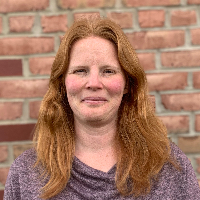
Josephine Ovalles
LCSW
New York - 13 yrs exp

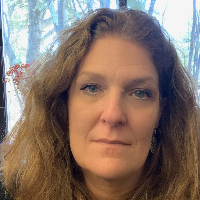
Claudia Stoscheck
LCSW
New York - 30 yrs exp








How OCD therapy typically works for New York residents
When you begin seeking help for obsessive-compulsive concerns in New York, the process usually starts with an intake conversation. That first session is an opportunity for you and a clinician to discuss your history, the patterns that cause distress, and your goals for treatment. From there a therapist will work with you to build a tailored plan - one that fits your schedule, needs, and the practical realities of living in a New York neighborhood. Whether you are near Manhattan or in a smaller upstate city, therapy often blends assessment, goal setting, and a mix of skills and behavioral practice.
Many therapists use structured, evidence-based methods to address OCD-related symptoms. These approaches emphasize gradual exposure to feared thoughts or situations and the development of new ways to respond. Therapy tends to be collaborative - you and your therapist will track progress, adjust strategies, and focus on what helps you function better in daily life.
Assessment and a personalized plan
Initial assessments explore how intrusive thoughts, urges, or repetitive behaviors affect your routines, work, relationships, or sense of wellbeing. A clinician will ask about what triggers your distress, how you cope, and whether other concerns - such as anxiety or mood symptoms - are present. That information guides a personalized plan that may include regular sessions, behavioral tasks to practice between meetings, and strategies to manage distress in real-world settings across New York City, suburban Long Island, or western New York locales like Buffalo and Rochester.
Common therapeutic approaches
Cognitive-behavioral interventions are often central to OCD-focused care. One widely used component involves facing feared thoughts or situations in a gradual, structured way while resisting ritualized responses. Cognitive strategies can help you examine and challenge unhelpful beliefs that maintain compulsive actions. Therapists may also integrate skills for anxiety management, emotion regulation, and relapse prevention so gains last beyond the period of active treatment.
Finding specialized OCD help in New York
New York offers a diverse landscape of providers - from clinicians practicing in dense urban centers to those serving more rural and suburban counties. If you live in New York City you may find a wider selection of specialists with focused training in OCD-related work. In cities such as Buffalo and Rochester there are clinicians experienced in this area as well, often serving a mix of clients with OCD and related anxiety concerns. If you are in Albany, Syracuse, or another community, consider therapists who advertise specific experience with obsessive-compulsive challenges, training in exposure-based methods, or advanced coursework in anxiety disorders.
Location matters for logistics like commute time and in-person session availability, but many New Yorkers now rely on remote options to expand their choices. You can also prioritize language, cultural background, and clinical orientation when comparing providers. Asking about a clinician's experience with OCD, years of practice, and familiarity with co-occurring issues will help you find a good fit. A consultation call can clarify whether the therapist's style and approach match what you want.
What to expect from online therapy for OCD
Online therapy has become a practical option across New York, offering greater flexibility for people with busy schedules, long commutes, or limited local options. When you choose virtual sessions, expect a similar course of care to in-person treatment: assessment, collaborative planning, exposure practice, and skill-building. Your therapist can guide exposures that you carry out in your own environment and can problem-solve barriers that arise in real time. Video sessions allow you to work from home, a workplace break room, or another safe setting that suits your needs.
Technology-wise you will typically use a video platform for sessions and a secure method for scheduling and billing. If you prefer to combine formats, many providers offer a hybrid approach - alternating between face-to-face meetings and remote check-ins. Keep in mind that state licensing affects practice, so when you connect online you should confirm that the clinician is licensed to offer services to people physically located in New York at the time of the session.
Common signs that someone in New York might benefit from OCD therapy
You might consider seeking specialized help if intrusive thoughts or repetitive actions take up a lot of your time, interfere with work or school, or strain relationships. For some people the pattern is visibly time-consuming - extensive checking, cleaning, or repeating behaviors that disrupt daily life. For others the burden is more internal - persistent, unwanted thoughts that cause anxiety or avoidance. If you find yourself changing routes to avoid triggers on your commute through Manhattan, altering shopping habits, or avoiding social plans due to fear of rituals, those may be signals that targeted support would be helpful.
Another indication is if your coping strategies feel less effective over time, or if attempts to stop rituals lead to significant distress. You may also notice increasing avoidance of certain places, like crowded transit hubs in New York City or specific settings that provoke intrusive thoughts. In any of these situations you can benefit from an evaluation that clarifies whether OCD-focused therapy is a good fit and what next steps might look like.
Tips for choosing the right OCD therapist in New York
Start by looking for clinicians who highlight training or experience in obsessive-compulsive concerns. Ask about their use of exposure-based techniques and how they tailor plans to individual needs. You should feel comfortable asking about session length, frequency, and whether they offer evening or weekend appointments to fit work or family schedules in cities like Buffalo or Rochester. Practical questions about fees, insurance, and sliding scale options are important too - financial arrangements influence how consistently you can attend and the pace of progress.
Consider the therapist's cultural competence and whether they have experience working with communities across New York's diverse neighborhoods. If language access matters to you, check whether a provider conducts sessions in your preferred language. When possible, schedule an initial consultation to get a sense of rapport and communication style - many therapists will offer a brief call to answer questions and explain their approach. Trust your sense of fit - if you do not feel heard or understood early on, it is appropriate to explore other clinicians until you find one you connect with.
Practical considerations for location and accessibility
Where you live in New York may affect whether in-person sessions are convenient or whether you rely primarily on teletherapy. In urban centers you may have more options for evening clinics and specialty centers, while in some upstate areas remote care may broaden your choices. Transportation, work schedules, and caregiving responsibilities are all part of choosing a sustainable plan. If you need frequent homework or in-vivo practice, discuss how that will fit into your daily routine so the treatment plan is realistic.
Next steps
Exploring therapist profiles on this page can help you narrow options by approach, availability, and location. When you find clinicians who seem promising, reach out to arrange a consultation and ask specific questions about experience with OCD-focused methods. Taking that first step - whether you schedule an in-person visit in New York City or begin with online sessions from Albany or Syracuse - is a practical move toward managing the patterns that have been limiting you. With the right match and a clear plan you can work toward meaningful day-to-day improvements and return more fully to activities that matter to you.