Find a Paranoia Therapist in New York
This page highlights clinicians who focus on paranoia and related concerns across New York. Review individual profiles to compare approaches, locations, and availability, then browse listings below to find a good match for your needs.

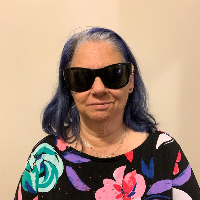


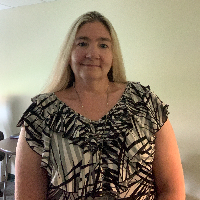
Iesha Whitaker
LCSW
New York - 8 yrs exp














How paranoia therapy typically works for New York residents
If you are exploring therapy for paranoia in New York, it helps to know what a course of care usually involves. Therapy begins with an initial assessment where a clinician asks about your experiences, what increases or decreases your worry about others, and how those concerns affect your day-to-day life. From there, a therapist and you will collaborate to set goals - for example, reducing distress in social situations, improving sleep, or developing strategies to evaluate suspicious thoughts. Many clinicians draw from evidence-informed approaches such as cognitive-behavioral techniques that focus on how thoughts, feelings, and behaviors interact, and from trauma-informed methods when past experiences contribute to current fears.
Therapy is not a one-size-fits-all process. Sessions are tailored to your priorities and may include learning practical coping skills, practicing new ways of testing beliefs, and gradually engaging in situations you have been avoiding. If you live in an urban area like New York City or a smaller upstate community, therapists can also help you navigate social and environmental factors that influence how paranoia shows up in your life.
Finding specialized help for paranoia in New York
Searching for a clinician who has experience with paranoia or related symptoms is an important step. Look for therapists who list experience with anxiety, paranoia, or persecutory thoughts and who describe using structured approaches such as cognitive-behavioral therapy adapted for paranoia. Licensure and professional credentials are another consideration - clinicians in New York may hold credentials such as LCSW, LMHC, PsyD, or PhD. You can ask about a therapist’s training, years of experience, whether they have worked with people who have similar concerns, and whether they consult with other professionals when needed.
Geography matters in how you access services. In New York City you may find a wide range of specialists, multidisciplinary clinics, and university-affiliated providers. In cities like Buffalo and Rochester there are reputable community mental health centers and private practitioners who bring deep local knowledge. If you live in a suburban or rural part of the state, teletherapy options expand your choices while in-person practices may be fewer. When you reach out to a clinician, ask about their experience working with clients from your community and whether they offer flexible scheduling to fit your life.
What to expect from online therapy for paranoia
Online therapy has become a common option for people across New York. If you choose virtual sessions you can access clinicians from different parts of the state, which can be especially helpful if local providers with specialty experience are limited. In an online session, you should expect a similar structure to in-person work: an intake, agreed-upon goals, and regular sessions focused on practical strategies. Therapists often assign between-session exercises to help you practice new ways of thinking and responding when suspicious thoughts arise.
Before starting online therapy, discuss technical and logistical details with your provider. Confirm how sessions are scheduled, what platform they use, how to handle missed appointments, and whether they can coordinate care with other professionals in New York if needed. You should also ask about what happens in a crisis, including how the clinician will assist if you are experiencing intense distress or if safety planning becomes necessary. Knowing these details in advance helps you feel more comfortable and supports a productive working relationship.
Common signs that someone in New York might benefit from paranoia therapy
You might consider seeking help if suspicious thoughts or fears about others are frequent, intense, or causing problems at work, school, or in relationships. Difficulty trusting coworkers or neighbors, withdrawing from social activities because you worry about being harmed or judged, or repeatedly scanning environments for perceived threats can all indicate that targeted help would be useful. You may also notice physical symptoms such as trouble sleeping or persistent agitation when certain people or places are mentioned. When these experiences interfere with daily functioning, therapy can provide tools to manage distress and regain a sense of control.
There is no single threshold for when to seek care - people in New York City face different stressors than those in smaller towns, but the underlying need for support is comparable. If your concerns are affecting your ability to work, maintain relationships, or participate in activities you value, reaching out to a clinician for an assessment is a practical next step.
Tips for choosing the right therapist for paranoia in New York
Choosing a therapist is a personal decision and it is reasonable to interview potential providers to find a good fit. Start by looking at profiles to identify clinicians who mention experience with paranoia, anxiety, or trauma. When you contact a therapist, ask about their approach, how they measure progress, and what a typical session looks like. Discuss practical matters such as fees, whether they accept your insurance, appointment times, and whether they offer evening or weekend slots to accommodate work or school.
Consider how comfortable you feel when you speak with a clinician during an initial consultation. Therapists vary in style - some are more directive and skill-focused, while others take a more exploratory approach. Your comfort with the therapist’s style matters for sustained engagement. If in-person work is important, look for providers with offices near major transit routes in neighborhoods of New York City or close to central areas in Buffalo or Rochester. If you prefer online work, confirm that the clinician is licensed to practice in New York and clarifies any legal or billing questions related to teletherapy across state lines.
Other practical considerations
Ask about session length and frequency, typical duration of therapy for similar concerns, and how progress is tracked. Some therapists offer a sliding scale or reduced-fee sessions - inquire if affordability is a concern. You may also want to know how a clinician collaborates with psychiatrists or other medical professionals if medication or a multidisciplinary approach becomes relevant to your care. Finally, think about cultural competence and whether the therapist has experience working with people from your background, age group, or life stage.
Making the first contact and what comes next
Reaching out to a therapist can feel daunting, but many clinicians offer brief phone or video consultations to help you decide whether to schedule a full intake. Use that conversation to clarify questions and to get a sense of how the clinician communicates. After an intake, you will work with the therapist to create a plan that aligns with your goals. Regular review of goals and adjustments to the plan help ensure that therapy remains relevant to your changing needs.
Regardless of whether you live in a bustling neighborhood of New York City or a quieter region near the Finger Lakes, you can find clinicians who understand the local context and are equipped to help you address paranoia-related concerns. With patience and a thoughtful search, you can connect with a provider who offers practical tools and support to help you manage distress and move toward your personal goals.