Find a Porn Therapist in New York
Browse therapists who focus on porn-related concerns across New York, including options in New York City, Buffalo, and Rochester. Use the listings below to compare specialties and approaches so you can reach out to a clinician who fits your needs.
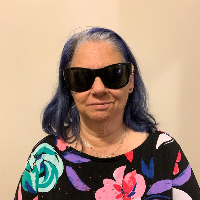



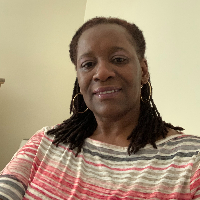
Henrietta Long-Hall
LCSW
New York - 12 yrs exp
















How porn therapy typically works for New York residents
When you seek therapy for porn-related issues in New York, the work usually begins with an assessment of how the behavior affects your daily life. Your clinician will ask about patterns of use, how porn fits into your relationships and routines, and any emotional or behavioral consequences you are experiencing. From there, you and your therapist will set goals - those goals may focus on reducing compulsive patterns, rebuilding intimacy with a partner, improving impulse control, or exploring underlying factors such as anxiety, depression, or trauma that contribute to the problem.
Therapists use a range of approaches that may include cognitive-behavioral techniques to identify and shift unhelpful thoughts and habits, mindfulness strategies to increase awareness of urges, and skill-building to manage triggers. If relationship dynamics are part of the concern, you may work with a therapist who offers couples-focused approaches to improve communication and trust. Treatment plans are individualized, and progress is usually measured in practical terms - changes in frequency of use, improved emotional regulation, and better alignment between your actions and your values.
Finding specialized help for porn in New York
Finding a therapist who specializes in porn-related work can make a big difference. In larger metro areas like New York City you will find clinicians with dedicated training in sexual health and compulsive sexual behaviors, while smaller cities such as Buffalo and Rochester may have clinicians who treat these concerns alongside other sexual health or addiction-related work. Start by looking for therapists who describe experience with porn-related issues, compulsive sexual behavior, intimacy concerns, or sexual health. Pay attention to language about approaches and experience with couples therapy if you are seeking support with a partner.
Licensure and credentials matter in New York. You can look for clinicians who are licensed in the state and who list relevant trainings or certifications in sex therapy, trauma-informed care, or relapse prevention. If you live outside the five boroughs and plan to travel for occasional in-person sessions, consider clinicians who offer flexible scheduling or hybrid models. Local clinics, university counseling centers, and community health organizations in cities like Albany and Syracuse may also offer resources or referrals if you prefer a local option.
What to expect from online therapy for porn
Online therapy has become a common way to access specialized care across New York, and it can be especially helpful if local options are limited. When you choose online work, you can expect sessions to mirror in-person therapy in structure - regular appointments, a focus on goals, and therapeutic techniques tailored to your needs. Many therapists use video sessions for real-time interaction, while some may offer phone or messaging support between sessions to help you manage moments of high urge or stress.
Before starting, confirm that the clinician is licensed to practice in New York when providing ongoing teletherapy to residents of the state. Clarify logistical details such as session length, fees, cancellation policies, and how the therapist handles crises. You should also ask about the therapist's approach to boundaries and homework - for example, whether they will give exercises to practice new habits, tools to manage urges, or partner-focused tasks if your work involves relationship rebuilding. Online therapy can be effective when you have a clear plan, consistent sessions, and practical strategies to use between appointments.
Common signs you might benefit from porn therapy
People seek help for porn-related concerns for many reasons. You might consider therapy if porn use is interfering with work, school, or social responsibilities, or if it is causing conflict in your relationships. If you find that attempts to cut back are unsuccessful, or that you spend increasing amounts of time seeking or using porn despite negative consequences, that pattern is worth exploring with a clinician. You may also seek help if porn use is accompanied by strong feelings of shame, secrecy, or isolation, or if it triggers anxiety or depression.
Another common reason to reach out is when porn use affects intimacy - for example, when you or your partner feel disconnected, when sexual expectations shaped by porn create tension, or when one partner feels betrayed by the other’s behavior. Some people seek therapy preemptively, wanting to understand how porn use shapes their sexual preferences and how to integrate their sexuality into a healthier life. Whatever the reason, therapy can provide a space to examine choices, learn alternative coping strategies, and rebuild trust within relationships.
Tips for choosing the right therapist for this specialty in New York
When choosing a therapist in New York for porn-related concerns, begin by considering practical factors such as location, availability, and whether the therapist offers online sessions. If you live in a dense area like New York City you may have many choices and can prioritize specific training or approaches. If you live in Buffalo, Rochester, Albany, or Syracuse, you might weigh the benefits of a clinician who offers teletherapy alongside local in-person options. Think about whether you prefer a clinician who takes a prescriptive, skills-based approach or one who focuses more on relational or exploratory work.
During an initial consultation, assess how the therapist frames the issue - do they describe porn use in moralistic terms, or do they approach it as a behavioral and relational concern you can work on together? Look for a clinician who listens to your story without judgment and who offers a clear plan for sessions. Ask about experience with techniques that interest you, such as cognitive-behavioral strategies, mindfulness, or couples therapy, and inquire about typical session structure and expected timelines. It is reasonable to ask about success measures the therapist uses to track progress as well as how they handle setbacks.
Also consider cultural fit. New York is diverse, and you may want a therapist who understands how cultural background, religion, or community norms shape attitudes toward porn and sexuality. If identity factors such as gender, sexual orientation, or cultural background are important to you, look for clinicians who highlight experience working with similar clients. Practical matters like fee range, insurance acceptance, and sliding scale availability are important too - be upfront about these needs so you can find a sustainable match.
Working with a partner or family
If your goal involves rebuilding a relationship after conflict related to porn, consider clinicians who offer couples work or who collaborate with partner-focused therapists. Couple-focused sessions often include communication skills, boundary-setting, and strategies to repair trust while also addressing individual patterns that contribute to the problem. You can expect a therapist to balance individual needs with relationship goals and to recommend exercises designed to foster transparency and reconnection over time.
Next steps and practical considerations
When you are ready to reach out, use the directory listings to compare profiles and approaches. Prepare for an initial call by clarifying your goals, any previous treatment you have had, and practical constraints such as scheduling and budget. It is normal to try a few clinicians before you find the right fit - therapy effectiveness often depends on the quality of the relationship between you and your therapist. Keep in mind that progress can be gradual and that combining therapy with practical habit changes and community supports tends to yield the most durable results.
Whether you are in New York City, moving between upstate communities, or live in a suburban neighborhood, you can find clinicians who specialize in porn-related concerns and who will work with you to develop realistic, personalized strategies. With clear goals, consistent effort, and a therapist who matches your needs, you can make meaningful changes that improve your relationships and daily life.