Find a Postpartum Depression Therapist in New York
This page lists therapists in New York who specialize in postpartum depression, offering both in-person and online care options. Browse the listings below to compare approaches, read qualifications, and find a clinician who fits your needs.

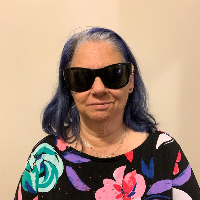

Dr. Colleen Downes
LCSW
New York - 35 yrs exp



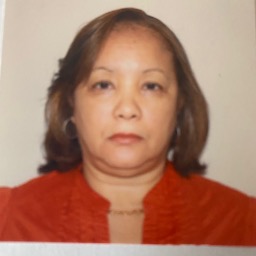
Josephine Ovalles
LCSW
New York - 13 yrs exp













How postpartum depression therapy works for New York residents
If you are exploring help for postpartum depression in New York, therapy often begins with an initial assessment to understand your current experience, symptoms, and support needs. That assessment is an opportunity to explain how pregnancy, birth, sleep disruption, hormonal change, and life transitions have affected you. From there, a therapist will work with you to set goals - whether you want to manage mood symptoms, rebuild energy and motivation, improve relationships, or develop coping strategies for anxiety and intrusive thoughts. Treatment approaches commonly include talk therapy that focuses on mood and behavior, interventions that teach stress management and emotion regulation, and therapies that involve your partner or family when relationships and parenting dynamics are part of the concern.
Local considerations
Living in New York means you can find therapists with diverse training and cultural backgrounds, and many clinicians have experience working with families, new parents, and perinatal populations. Urban areas like New York City tend to offer a wide range of specialists with training in perinatal mental health and experience addressing issues that arise in the weeks and months after childbirth. In smaller cities such as Buffalo or Rochester, you may find clinicians who combine general adult therapy with focused perinatal experience. Wherever you are in the state, the therapeutic process is designed to be collaborative so that treatment fits your life, schedule, and family responsibilities.
Finding specialized help for postpartum depression in New York
When you look for a therapist, consider clinicians who list perinatal mood disorders, postpartum depression, or maternal mental health among their specialties. Many therapists include details about their training, certifications, and the populations they work with in their profiles, which can help you narrow choices before reaching out. You may prefer someone who has experience with breastfeeding parents, new-parent sleep concerns, or trauma-informed care related to birth experiences. If language, culture, or faith are important to your care, search for a therapist who notes those competencies so you feel understood and respected during sessions.
Access and practicalities in different regions
New York City offers a dense network of specialists, peer groups, and perinatal programs, which can make it easier to find a clinician who matches your preferences for approach and availability. In cities like Buffalo and Rochester, clinicians often serve a broader geographic area and may offer flexible scheduling or telehealth to reach families who live further from downtown centers. If you live outside a major metropolitan area, ask therapists about evening sessions, weekend availability, or hybrid models that combine occasional in-person meetings with online care to reduce travel and childcare burdens.
What to expect from online therapy for postpartum depression
Online therapy can be a practical option if you need to balance treatment with the demands of a newborn or if travel is difficult. Sessions typically take place by video, though some therapists also offer phone appointments. You can expect similar therapeutic techniques to in-person care - a therapist will listen to your concerns, help you make sense of your feelings, and guide you through strategies to manage mood and stress. Many clinicians adapt interventions to the online format, using worksheets, guided exercises, and behavioral assignments that fit a parent's day. Online care also makes it possible to continue therapy during life transitions, such as returning to work or moving between cities.
Addressing practical barriers
If childcare or transportation is a concern, online sessions let you attend from home or another setting that works for you. You should check whether your chosen therapist accepts your insurance or offers a sliding-fee option and ask about session length and cancellation policies. In New York, some clinicians are licensed to provide care across state lines only under specific circumstances, so if you plan to travel or relocate, confirm licensure details to avoid interruptions in your care.
Common signs that someone in New York might benefit from postpartum depression therapy
You might benefit from postpartum depression therapy if you notice changes in your mood or daily functioning after childbirth that persist beyond the first few weeks. Persistent sadness, overwhelming fatigue that does not improve with rest, loss of interest in activities you used to enjoy, or difficulty bonding with your baby are important signals to seek support. You may also experience increased anxiety, panic attacks, intrusive or distressing thoughts, irritability, or trouble concentrating. These experiences can feel isolating, especially in busy urban environments or when family is far away, and reaching out to a clinician can help you develop strategies to manage symptoms and rebuild a sense of well-being.
When symptoms feel urgent
If you are having thoughts of harming yourself or your baby, or if you worry you might act on such thoughts, it is important to seek immediate help. Emergency services and crisis hotlines are available across New York, and many hospitals and community health centers also provide urgent assessment and referral options. Asking for help early can reduce distress and prevent escalation while you find a therapist who can provide ongoing care.
Tips for choosing the right therapist for postpartum depression in New York
Start by reading clinician profiles to learn about their training, therapeutic approaches, and experience with postpartum mood concerns. When you contact a therapist, consider asking about their experience with perinatal mood issues, their typical treatment approach, whether they involve partners or family members in care, and how they tailor sessions for sleep-deprived parents. It is reasonable to inquire about session length, fees, insurance acceptance, and whether they offer evening or weekend appointments to accommodate your schedule. If you prefer in-person care, note whether the clinician works near transit lines or offers accessible parking; if you prefer online care, ask about the video platform they use and any technical requirements.
Trusting your instincts
Therapeutic fit matters. After a first session you should feel heard and respected, and you should have a sense of whether the therapist's style aligns with your needs. It is acceptable to try a few clinicians before you find the right match. Many therapists offer brief consultations that let you ask practical questions before committing to regular sessions. Choosing someone who helps you feel understood, offers clear treatment goals, and communicates in a way that resonates with you will increase the likelihood that therapy leads to meaningful changes.
Finding ongoing support in your community
Therapy is often most effective when combined with a network of supports. In larger cities such as New York City, you may find parent groups, perinatal workshops, and community programs that complement clinical care. In Buffalo and Rochester, community health centers, maternal health initiatives, and peer support groups can provide additional resources and connection. Whether you live in an urban neighborhood or a suburban area, ask therapists for recommendations about local supports, parenting resources, and self-care options that fit your routine. Building a toolbox of strategies and supports helps you manage symptoms and strengthens your capacity to care for yourself and your family.
Looking for postpartum depression care is a proactive step. By using the listings on this page to compare clinicians, read descriptions, and reach out for a consultation, you can find an approach that fits your life in New York and supports your recovery as you navigate parenthood.