Find a Sexual Trauma Therapist in New York
This page connects you with therapists who specialize in sexual trauma in New York, including clinicians serving New York City, Buffalo, and Rochester. Browse the listings below to review different approaches, availability, and care settings before reaching out.


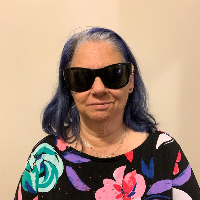



Josephine Ovalles
LCSW
New York - 13 yrs exp


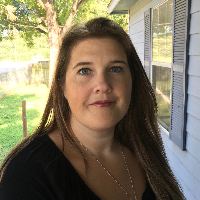
Claudia Stoscheck
LCSW
New York - 30 yrs exp



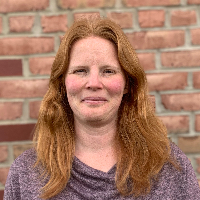
Christopher Rizzo
LMHC
New York - 7 yrs exp









How sexual trauma therapy works for New York residents
If you are considering therapy after sexual trauma, understanding the process can help you feel more prepared. Therapy usually begins with an intake conversation where a clinician learns about your history, current concerns, and what you hope to change. That initial phase is meant to build trust, clarify goals, and create a plan that fits your pace. Over subsequent sessions a therapist trained in trauma will use evidence-informed strategies to address symptoms like intrusive memories, avoidance, sleep disruption, or difficulties in relationships. The work often combines emotional processing with skills to manage distress and rebuild a sense of safety in daily life.
In New York you will find a range of settings offering this care - private practices, community mental health centers, university clinics, and outpatient programs. Locations in New York City may provide access to highly specialized trauma teams and diverse cultural competence, while clinics in Buffalo and Rochester often offer strong community-based support and connections to local resources. Wherever you are in the state, therapy is shaped to your needs and may include individual sessions, group work, or adjunctive services such as psychiatry or peer support when appropriate.
Typical approaches you might encounter
Therapists who focus on sexual trauma often draw on trauma-focused cognitive-behavioral techniques to help you process memories and change patterns that maintain distress. Some clinicians use eye movement desensitization and reprocessing - a method aimed at changing the way traumatic memories are stored. Somatic approaches focus on bodily regulation and awareness, which can be especially helpful if trauma has affected how you feel in your body. Narrative and relational therapies can support rebuilding identity and connection after trauma. A skilled therapist will explain which methods they use and why they think those strategies fit your situation.
Finding specialized help in New York
When you search for care in New York, start by looking for clinicians who explicitly list sexual trauma or trauma-focused experience. Many therapists indicate specialties, training, and preferred populations on their profiles so you can compare who works with survivors of different ages, genders, and backgrounds. Local community organizations, university counseling centers, and advocacy groups in cities such as New York City, Buffalo, and Rochester can also provide referrals and information about low-cost or sliding-scale options. If language access, cultural understanding, or faith-informed care matters to you, those factors can be addressed when you narrow your search.
Licensure matters in New York, so check that a provider is credentialed to practice in the state. Insurance coverage can influence your choices, so verify whether a therapist accepts your plan or offers a reduced fee option. If affordability is a concern, community clinics and training clinics affiliated with universities often offer lower-cost services while maintaining supervised, high-quality care.
What to expect from online therapy for sexual trauma
Online therapy has become a common option across New York and can be particularly helpful if you live outside major cities or need flexible scheduling. Telehealth sessions typically use video or phone calls, and some therapists offer messaging for check-ins between appointments. For trauma work you and your clinician will want to plan how to manage intense emotions during sessions, including agreeing on grounding strategies and a plan if you need immediate assistance. When choosing online care, confirm that the therapist is licensed to provide services in New York and ask how they handle emergencies or referrals for in-person care if needed.
Online therapy can increase access to providers with specialized training who may not be located near you. For example, if you live upstate but see a therapist based in New York City with particular expertise, remote sessions make that connection possible. At the start of online care you should set up a quiet and comfortable environment where you can focus on the session, and discuss any concerns about privacy in your home or surroundings with your clinician so you both feel clear about boundaries and safety.
Common signs that someone in New York might benefit from sexual trauma therapy
Not everyone who experiences sexual trauma seeks therapy right away, but certain changes can signal that talking with a specialist could help. You may notice persistent intrusive memories or flashbacks that disrupt your day, recurring nightmares, or strong emotional reactions when reminded of the event. Avoiding places, people, or topics that trigger distress, or feeling numb and disconnected from loved ones, are also common responses. Changes in sleep, appetite, concentration, or your use of substances to cope can indicate that trauma is affecting daily functioning. You might experience difficulties with intimacy or sexual functioning, or find it hard to trust others and form stable relationships. If these patterns are interfering with work, school, or relationships, reaching out for trauma-focused care can be an important step.
Tips for choosing the right therapist for this specialty in New York
Choosing a therapist is a personal decision and you should feel empowered to find someone who fits your needs. Start by reviewing profiles to see who lists sexual trauma as a specialty and what populations they serve. Look for clinicians who describe their training in trauma-focused methods and any additional certifications or continuing education related to sexual trauma. Consider practical factors like location if you prefer in-person sessions, or the availability of telehealth if you need flexible options. In New York City you may find clinicians with niche specializations, while Buffalo and Rochester clinicians may offer strong community connections and continuity of care. Think about cost and whether the therapist accepts your insurance or offers sliding-scale fees.
Questions you can ask during an initial contact
When you reach out, it is reasonable to ask about the therapist's experience working with survivors of sexual trauma, which therapeutic approaches they use, and how they tailor care to individual needs. You can ask about session length and frequency, availability for crises or urgent concerns, and whether they coordinate with other providers such as medical or psychiatric professionals. If cultural sensitivity or specific identity-related experience matters to you, ask how they work with clients who share your background. You might also inquire about outcomes and what a typical course of care looks like for someone with similar concerns.
Next steps and preparing for your first appointment
Before your first session, it can help to write down the changes you want to see and any symptoms or patterns that are most troubling. Bring questions about the therapist's approach and clarify logistics like fees, cancellation policies, and what to expect in early sessions. If you are choosing online care, test your technology beforehand and identify a quiet, comfortable environment where you can speak freely. It is okay to take your time deciding if a therapist is the right fit - most providers expect an initial period of adjustment and will invite honest feedback about how the work feels for you.
Making the choice to seek help after sexual trauma is a significant step. Whether you are in a busy neighborhood of New York City, a suburban area near Buffalo, or in Rochester, there are clinicians who focus on trauma-informed care and can partner with you to build safety, resilience, and a path forward. Use the listings above to compare profiles and reach out to clinicians whose approach and experience align with what you need.