Find a Sexuality Therapist in New York
This page features licensed therapists in New York who focus on sexuality-related concerns, including intimacy, identity, and sexual health. Explore the listings below to review specialties, approaches, and local availability.


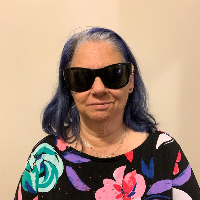



Claudia Stoscheck
LCSW
New York - 30 yrs exp


Christopher Rizzo
LMHC
New York - 7 yrs exp















How sexuality therapy works for New York residents
Sexuality therapy is a form of counseling that helps people address concerns about desire, arousal, sexual identity, intimacy, and relationship dynamics. In New York, therapists who specialize in sexuality typically combine clinical training with knowledge of sexual health and cultural factors that shape sexual expression. Therapy often begins with a conversation about your history, your goals, and any medical or relational factors that may be affecting your experience. From there, the therapist and you create a collaborative plan that may include education, communication skills practice, behavioral experiments, and referrals to medical providers when needed.
Therapists in urban centers like New York City frequently work with clients from diverse backgrounds and may be experienced with issues related to gender diversity, kink, polyamory, and multicultural expectations. In smaller communities across the state, including Buffalo and Rochester, clinicians often balance general mental health work with specialty training in sexuality. No matter where you are in New York, the core of sexuality therapy is a respectful, nonjudgmental therapeutic relationship that focuses on practical, realistic steps toward the changes you want to make.
Intake and assessment
The first few sessions usually focus on assessment. Your therapist will ask about relationship patterns, medical history, sexual development, and current symptoms or concerns. You may be invited to complete questionnaires or to track certain behaviors between sessions so that you and your therapist have concrete information to guide treatment. If medical factors are suspected - for example, medication side effects or hormonal changes - a therapist may suggest consulting with a medical professional. Assessment also examines the ways culture, religion, trauma history, and stressors - including the pace of life in cities like New York City - shape sexual experience.
Therapeutic approaches you might encounter
Approaches in sexuality therapy vary. Some therapists use psychodynamic techniques to explore how past relationships influence present patterns. Others use behavioral strategies to gradually rebuild comfort with certain activities through step-by-step practice. Cognitive-behavioral methods help address unhelpful thoughts that interfere with intimacy. Some clinicians are trained in sex-positive, affirmative therapy for LGBTQ+ clients and are familiar with issues around identity and relationship configurations. The most effective therapists tailor methods to your goals, combining education and practical exercises so you leave each session with tools to try between meetings.
Finding specialized help for sexuality in New York
When searching for a therapist in New York, consider both credentials and experience. Some clinicians hold specialized training in sex therapy or sexual health, while others have advanced certification in related fields. In major metropolitan areas like New York City, you may find clinicians with niche expertise such as trauma-informed sexual therapy or work with nontraditional relationships. In cities such as Buffalo and Rochester, therapists often bring broad clinical skills plus focused training in sexuality. You can also look for clinicians who list experience with issues that match your situation - for example, desire discrepancies, sexual function concerns, or questions about identity.
Insurance networks and sliding scale options vary across the state. If affordability is a concern, ask about reduced-fee sessions or clinics affiliated with universities and community health centers that provide lower-cost care. Many therapists also offer brief phone consultations so you can ask about experience and approach before committing to a session. It can help to prioritize a therapist who communicates clearly about logistics, fees, and what a typical session entails.
What to expect from online therapy for sexuality
Online therapy is widely available in New York and provides a convenient option for many people. Through video or phone sessions you can access specialists who may not be located near you, which is particularly helpful if you live outside major hubs like New York City, Buffalo, or Rochester. In an online format, you can receive the same types of assessment, education, and skills practice as in-person work. Therapists will typically explain how to use the technology, discuss privacy in the virtual setting, and set boundaries around session times and communication.
Online therapy can be especially useful for people who prefer the familiarity of home or who have mobility or scheduling constraints. It is important to choose a therapist who follows professional standards for telehealth and who can coordinate referrals to local medical or in-person services if needed. If you are exploring intimate exercises or behavioral tasks between sessions, your therapist will adapt recommendations to the online context so they remain practical and safe.
Common signs that someone in New York might benefit from sexuality therapy
You might consider seeking sexuality therapy if persistent worry or distress is affecting your sexual satisfaction or relationships. This includes changes in desire or arousal that cause concern, pain during sex, difficulty forming or sustaining intimate connections, or distress related to sexual identity and expression. Relationship patterns that repeatedly lead to conflict around sex, or a history of trauma that makes intimacy challenging, are also common reasons people seek help. Living in a high-stress environment, managing shift work, or navigating long commutes in and around areas like Albany and Syracuse can add pressure to relationships and sexual wellbeing, and therapy can help you develop coping strategies and improve communication with partners.
You do not need to wait for a crisis to consult a therapist. Many people seek sexuality therapy to deepen their relationships, expand their understanding of their desires, or work through life transitions that affect intimacy. Therapy can be a proactive space for learning and growth, not only a response to problems.
Tips for choosing the right therapist for this specialty in New York
Begin by clarifying your goals for therapy. Do you want to address a specific symptom, improve communication with a partner, or explore questions about identity? Once you have a sense of priorities, look for clinicians who explicitly list relevant experience. A therapist's training, years of practice, and familiarity with particular populations are useful indicators, but the best fit often depends on rapport. Arrange an initial consultation to get a sense of how the therapist communicates and whether their approach feels respectful and practical for your needs.
Consider logistical factors as well, including location, availability, and fees. If you prefer in-person work, find someone whose office is convenient in cities like New York City or Buffalo. If online therapy is a better fit, confirm that the clinician is experienced with telehealth visits. Ask about their approach to cultural humility and whether they have experience working with people who share aspects of your background or identity. Trust your instincts about whether the therapist listens without judgment and offers practical steps that feel achievable.
Practical next steps
When you are ready, reach out to a few therapists to compare availability and approaches. Prepare a brief description of your goals and any relevant medical or relationship information so you can make the most of an initial call. If a therapist is not the right match, it is appropriate to ask for a referral or to continue searching until you find someone you feel comfortable with. Many New Yorkers find that the investment in therapy pays off in improved intimacy, clearer communication, and a stronger sense of sexual wellbeing.
Across New York - from the dense neighborhoods of New York City to suburban and smaller city communities like Rochester and Syracuse - there are clinicians committed to helping people navigate sexuality with compassion and expertise. Take the time to find a therapist who aligns with your goals and offers a practical path forward.