Find a Therapist of Color Therapist in New York
This page highlights therapists of color practicing in New York, with profiles that describe their experience, focus areas, and service options. Browse the listings below to compare clinicians by city, specialty, and approach, then contact providers who seem like a good fit.



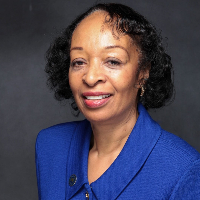
Dr. Colleen Downes
LCSW
New York - 35 yrs exp





Iesha Whitaker
LCSW
New York - 8 yrs exp



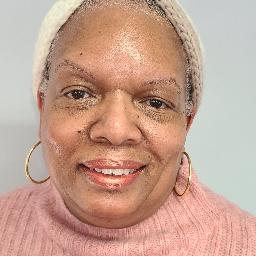
Henrietta Long-Hall
LCSW
New York - 12 yrs exp







How therapist of color therapy works for New York residents
Therapists of color bring clinical training together with an understanding of cultural identity, racial stress, and community dynamics. In New York, that blend often means clinicians will integrate awareness of local contexts - whether you live in New York City neighborhoods shaped by immigration, or in communities outside the city with different cultural histories. You can expect sessions to center your lived experience, including how race, ethnicity, immigration status, language, and cultural values affect relationships, work, and mental health. Many therapists of color use a range of evidence-informed approaches - such as cognitive, relational, and trauma-informed methods - while tailoring language and examples to reflect the realities you face.
Licensing and location considerations
State licensure matters when you live in New York. Most therapists listed here will indicate whether they are licensed to practice in New York and whether they offer in-person appointments, telehealth sessions, or both. If you prefer someone who works out of a nearby office you may find more options in larger cities. If you explore virtual care, confirm that the therapist is authorized to work with clients who reside in New York so that your sessions comply with local regulations and professional standards.
Finding specialized help for therapist of color in New York
Search with the aspects of identity and experience that matter most to you. Some people prioritize a therapist who shares a similar cultural background or language; others look for clinicians with training in specific issues - for example immigration-related stress, intergenerational conflict, or racial trauma. In New York City you will often see the widest selection of specialties and language offerings. In Buffalo or Rochester you may find fewer practitioners with a particular niche, but you can expand options by considering therapists who offer online sessions across the state. When you review a profile, pay attention to stated areas of expertise, cultural competency training, and descriptions of how the clinician integrates identity into their work.
Community context and culturally informed care
Therapists of color often situate individual concerns within broader social and community factors. That perspective can help if you are dealing with workplace microaggressions, discrimination, or identity-related stress. New York’s diversity means community resources and cultural organizations can complement therapy. A therapist familiar with your neighborhood or cultural community may be able to suggest local supports, groups, or culturally relevant referrals that align with your goals.
What to expect from online therapy with therapists of color
Online therapy increases access to clinicians who share your cultural background even if they are not in your immediate area. When you select a therapist of color for virtual sessions, you should expect much of the same therapeutic process as in-person care: an initial intake to discuss history and goals, regular sessions focused on your priorities, and collaboration on strategies you can use between appointments. Technology adds convenience - you can join a session from home or during a break at work - but it also requires a reliable internet connection and a private place to talk. If you live with family or roommates, you can plan for privacy by scheduling sessions at times when you are least likely to be interrupted or by using headphones.
Boundaries, ethics, and continuity of care online
Therapists will typically explain their policies on appointments, cancellations, and communication during the first sessions. If you expect to use messaging or brief check-ins between sessions, ask the clinician how they handle those contacts and what response times to expect. When circumstances change - such as moving from upstate New York to the city, or traveling - talk with your therapist about continuity of care. Many clinicians can continue seeing you by telehealth as long as their license covers the location where you are physically present during the session.
Common signs you might benefit from therapist of color therapy
You might look for a therapist of color if questions of identity, culture, or race strongly affect how you feel or how you move through daily life. Signs include feeling persistently misunderstood in healthcare or workplace settings, carrying stress tied to discrimination or microaggressions, navigating family conflict across cultural expectations, or managing the emotional impacts of migration and settlement. You might also want this specialty if you seek a therapist who talks openly about race and culture rather than minimizing those issues. Some people find it helpful when a clinician shares similar lived experiences, while others prefer someone who has specific training in cultural humility and anti-racist practice - either approach can be effective when it aligns with your needs.
When to reach out
Consider contacting a therapist if distress is affecting your relationships, sleep, concentration, or ability to work. You do not need to wait for a crisis to seek support - therapy can be a space to process identity development, career transitions, and parenting across cultural expectations. In cities such as New York City, Buffalo, and Rochester, you may also find community-based clinicians who specialize in outreach, group work, or culturally specific programs that provide additional entry points for care.
Tips for choosing the right therapist of color in New York
Start by clarifying what matters most to you - shared identity, language, clinical specialization, insurance acceptance, sliding scale availability, or a particular therapeutic approach. Read profiles closely to see how therapists describe their work with cultural and racial issues, and look for indications of ongoing training or community involvement. If possible, arrange brief introductory calls or consultations to get a sense of communication style, rapport, and whether the therapist asks about your cultural background in a thoughtful way. Pay attention to whether the clinician asks open questions about your experience with race and culture rather than making assumptions.
Practical factors to consider
Practical concerns can make a big difference. Check whether the therapist offers evening or weekend appointments if you have a busy schedule. If cost is a concern, ask about sliding scale rates or whether they accept your insurance. For those outside major urban centers, ask about telehealth options - many therapists provide virtual sessions that bridge geographic gaps. If language is important, seek clinicians who list languages spoken and ask about their experience working with interpreters when needed.
Making the first connection
When you reach out, prepare a few topics you want to cover in the first session so the therapist can understand your priorities. You do not need to disclose everything at once - initial sessions are often used to build trust and set goals. If you try a therapist and it does not feel like the right fit, it is reasonable to end after a few sessions and try another clinician. Finding the right match can take time, but many people find it worthwhile when they discover a therapist who understands the interplay of culture, identity, and mental health in the New York context.
Whether you live in a dense urban neighborhood, a suburban area, or upstate communities, TherapistDirectory’s listings can help you explore options and contact clinicians who specialize in care that respects cultural background and lived experience. Use the information in profiles to guide your outreach and take the first step toward support that acknowledges both your personal needs and the communities that shape you.