Find an Imago Relationship Therapy Therapist in New York
Imago Relationship Therapy is a structured couples approach that helps partners understand recurring patterns and rebuild emotional connection. You can find trained Imago clinicians across New York, including practitioners who serve New York City, Buffalo, and Rochester.
Browse the listings below to review each therapist's approach, availability, and contact options to find a good fit for your relationship's needs.


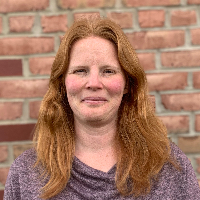

Abigail Baglione
LCSW
New York - 13 yrs exp




What Imago Relationship Therapy Is and the Principles Behind It
Imago Relationship Therapy is a theory-driven approach that focuses on the ways early relational experiences shape adult partnerships. At its heart is the idea that many of the conflicts couples face are rooted in unmet needs and learned interaction patterns from childhood. The therapy aims to help you and your partner make those patterns visible, name the feelings underneath them, and practice new ways of relating that build empathy and understanding.
The work is intentional and relational. Rather than only focusing on symptoms or isolated behaviors, Imago asks you to look at the dance you and your partner fall into - what triggers you, how you react, and what needs are being avoided. Therapists trained in this modality guide couples to slow down reactive moments and use structured conversations to transform blame into curiosity. The therapy uses specific dialogues and exercises that encourage both partners to listen and speak in a focused, respectful way.
Core Concepts in Plain Language
You will encounter a few recurring ideas in Imago work. One is the notion of an unconscious attraction to partners who reflect familiar emotional dynamics from your past. Another is the emphasis on intentional listening and mirroring - techniques meant to help you feel heard before moving toward problem solving. The therapist acts as a facilitator, keeping interaction safe and helping both partners experience empathy for each other's inner world.
How Imago Therapy Is Used by Practitioners in New York
In New York, Imago-trained therapists apply the model in a variety of settings. In urban centers like New York City, clinicians often combine Imago techniques with culturally informed practices to respond to diverse couples. In smaller cities such as Buffalo and Rochester, therapists may use Imago in longer-term couples work as well as brief, focused interventions to address a specific conflict or transition. Some therapists bring Imago into pre-marital work, family planning discussions, or post-infidelity recovery, while others integrate it with approaches that focus on individual trauma or mood concerns.
Many New York practitioners adapt Imago to the realities of contemporary relationships. That means offering evening sessions for busy schedules, working with partners who live apart because of work or study, and addressing issues that arise in blended families or intercultural partnerships. Whether you live in Manhattan, a suburb north of the city, or upstate in Albany or Syracuse, you can find clinicians who apply Imago principles to fit your life circumstances.
Issues Commonly Addressed with Imago Therapy
People seek Imago work for a range of relational problems. Communication breakdown is a frequent reason - when conversations repeatedly turn into arguments, the Imago process helps you step out of reactivity and speak in ways that are more likely to be heard. Couples also turn to Imago after breaches of trust, including affairs, or when they are coping with major life transitions such as marriage, parenthood, or relocation.
Other concerns that respond well to this modality include patterns of criticism and withdrawal, disagreement over parenting or household roles, and feelings of emotional distance. Imago can also be helpful when one or both partners want to understand recurring themes in how they choose partners, or when you want to strengthen intimacy and deepen emotional connection rather than only solving surface conflicts.
What a Typical Online Imago Session Looks Like
If you choose online sessions, the structure will generally mirror in-person Imago work, with a few practical differences. A session often begins with a brief check-in and an invitation to focus on a particular interaction or feeling. The therapist will then introduce or remind you of a structured dialogue - for example, a mirrored conversation where one partner speaks while the other listens and repeats what they heard before responding.
Throughout the session, the therapist helps you slow down reactive impulses and translate emotion into understandable needs. You may practice scripted exchanges, reflect on childhood influences that shaped your relational habits, and receive guidance for small experiments to try between sessions. Technical considerations matter too - good audio and a quiet room help you stay present, and many therapists will suggest ways to manage interruptions so the experience remains focused and relational even when you are not in the same physical space.
Who Is a Good Candidate for Imago Therapy
Imago tends to fit well for couples who are motivated to change interaction patterns and willing to engage in structured practice. If you and your partner are ready to examine long-standing dynamics rather than only addressing surface behaviors, the approach can provide a clear framework for growth. It also works for partners who appreciate a therapist-led method with specific tools you can use between sessions.
Imago can be adapted for different relationship stages. You might seek it early in dating to build a healthier foundation, during an engagement to prepare for marriage, after a breach of trust to rebuild connection, or later in a long-term relationship to renew closeness. If one partner is hesitant about therapy, many clinicians offer shorter consultations or single sessions that introduce basic Imago techniques so you can experience the approach before committing to ongoing work.
How to Find the Right Imago Therapist in New York
Finding the right fit involves practical and interpersonal considerations. Start by looking for clinicians who list Imago training or certification in their profiles. You will want to know whether they focus exclusively on couples or also work with individuals, whether they offer in-person sessions in cities like New York City, Buffalo, Rochester, or provide online appointments that accommodate your schedule, and whether they have experience with the particular concern you are bringing.
Think about logistics as well. Consider location if you prefer in-person meetings, or check availability for evening and weekend sessions if you both work full time. Ask about fees and whether the therapist accepts your insurance or offers a sliding fee arrangement. It is also reasonable to request a brief initial phone or video consultation to get a sense of the therapist's style and whether you feel comfortable with their approach.
Trust your impressions about fit. You do not need to agree with every professional detail to make progress, but you should feel that the clinician respects both partners and can facilitate balanced conversations. Many people find that the relationship with the therapist - not just their credentials - predicts whether the work will feel productive over time.
Questions to Ask During an Initial Contact
When you reach out, ask about the therapist's specific Imago experience and how they adapt the model for different cultural backgrounds and life stages. Inquire about session structure, typical duration of couples work, and any recommended resources or exercises you might use between sessions. If mental health or substance concerns are present, ask how these will be addressed alongside Imago work, since integrated care can affect how therapy proceeds.
Connecting with a Therapist Across New York
Where you live in the state can influence your choices but not your options. In metropolitan areas like New York City you will often find a wide range of clinicians with diverse specializations and language options. In Buffalo, Rochester, Albany, and Syracuse, clinicians may offer a blend of in-person and telehealth appointments to reach couples across broader regions. If travel or scheduling is a barrier, online sessions expand access and allow you to work with therapists whose approach and rapport feel right for you regardless of physical distance.
As you evaluate profiles and set up consultations, remember that change in a relationship typically requires patience and practice. Imago offers tools that are practical and teachable - you can expect to leave sessions with specific communication exercises and a clearer understanding of the patterns you and your partner create. With consistent effort and the right therapist fit, many couples describe an increased ability to understand each other's needs and to interact with greater warmth and skill.
When you are ready, use the listings on this page to compare clinicians, read about their training, and reach out for an initial conversation. Taking that first step can help you move from repeating old fights to creating new, more connected ways of being together.