Find a Solution-Focused Therapy Therapist in New York
Solution-Focused Therapy is a goal-oriented, strengths-based approach that helps people identify practical steps toward change. Practitioners throughout New York use this method to support clients in setting and reaching meaningful goals; browse the listings below to find a therapist who fits your needs.






Dr. Colleen Downes
LCSW
New York - 35 yrs exp




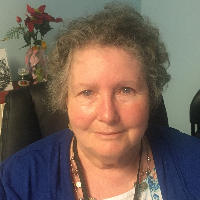


Iesha Whitaker
LCSW
New York - 8 yrs exp

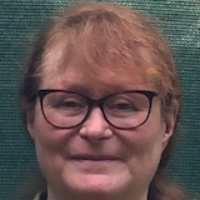




Henrietta Long-Hall
LCSW
New York - 12 yrs exp

Josephine Ovalles
LCSW
New York - 13 yrs exp




What is Solution-Focused Therapy?
Solution-Focused Therapy is an approach that centers on where you want to go rather than where you have been. It emphasizes clear, achievable goals, practical strategies you can use between sessions, and identifying exceptions - moments when the problem is less severe or absent. Rather than analyzing the origins of a difficulty at length, this approach looks for what is already working in your life and builds on those strengths. Therapists use targeted questions, brief interventions, and collaborative planning to help you move toward a preferred future.
Principles behind the approach
The core principles include a focus on solutions rather than problems, a belief that small changes can lead to larger shifts, and respect for your expertise about your own life. Therapists often use scaling questions to measure progress and clarify goals, and they may ask you to imagine a concrete picture of how life would look once a goal is achieved. Sessions are generally structured and time-limited, which makes this approach practical for people who want focused, goal-driven work.
How therapists in New York use Solution-Focused Therapy
In New York, therapists apply Solution-Focused Therapy across a wide range of settings, including private practice, community mental health centers, schools, and employee assistance programs. In large metropolitan areas like New York City, clinicians often adapt the model for busy schedules by offering brief, skill-focused sessions. In smaller cities such as Buffalo and Rochester, therapists may combine solution-focused techniques with other methods to address local needs and resource constraints. Across the state, clinicians tailor the approach to fit cultural and community contexts, so you can expect variations in style while the central emphasis on goals and practical steps remains the same.
Issues commonly addressed with this approach
Solution-Focused Therapy is commonly used for problems where change is possible through targeted actions and clearer goal-setting. People come for help with everyday stress, relationship challenges, work or career decisions, life transitions, parenting concerns, and situational anxiety. It is also used to support people facing motivation issues, school performance challenges, and adjusting to new roles. Because of its practical orientation, it often works well when you want measurable progress in a relatively short time frame.
What a typical online Solution-Focused Therapy session looks like
If you choose online sessions, a typical meeting begins with a brief check-in about what has changed since the last appointment and what your immediate goal is for the current session. Your therapist will ask focused questions to clarify the desired outcome and may use the so-called miracle question to help you envision a future without the current problem. You can expect to explore exceptions - times when the issue is less present - and to identify small, concrete steps to try before the next session. Sessions usually last between 30 and 60 minutes and emphasize actionable strategies you can practice in daily life. Many New Yorkers appreciate the flexibility of online work, especially when juggling commuting and busy work schedules, but some clinicians also offer in-person appointments in cities like Albany and Syracuse depending on your preference.
Who is a good candidate for Solution-Focused Therapy?
You are likely to benefit from Solution-Focused Therapy if you prefer a forward-looking approach and want to work on clearly defined goals. If you value practical techniques, want short-term engagement, or need help breaking a problem into manageable steps, this model may fit well. It can be especially effective if you are motivated to try small changes between sessions and to track progress. On the other hand, if you are seeking long-term exploration of deep-seated patterns or trauma-focused work, you may want to discuss whether this approach should be combined with other therapies to meet your needs.
How to find the right Solution-Focused therapist in New York
Start by reviewing therapist profiles to learn about training, licensure, and the ways clinicians apply Solution-Focused Therapy in practice. Look for descriptions of areas of expertise, such as work with couples, adolescents, or career transitions, and note whether the therapist lists experience with specific populations or cultural communities. Consider practical factors like appointment times, whether the clinician offers online or in-person sessions, and what insurance plans or payment options are accepted. If language or cultural fit matters to you, search for therapists who highlight those competencies in their profiles. In major centers like New York City, you may find clinicians who specialize in niche applications of the method, while in places like Buffalo and Rochester therapists often emphasize flexibility to meet local needs.
Questions to ask during an initial consultation
When you contact a therapist, ask how they use Solution-Focused Therapy in sessions, what a short-term treatment plan might look like, and how progress is measured. You might also inquire about what to expect between sessions, such as brief exercises or tasks, and how often you should schedule appointments to achieve your goals. If logistics are important, confirm session length and whether the clinician offers evening or weekend times. An initial conversation can help you assess whether the therapist's style aligns with how you like to work.
Making the most of Solution-Focused Therapy
To get the most from this approach, bring clear priorities to sessions and be willing to try small, focused experiments between meetings. Keep track of when your problem is less intense and what you were doing differently at those times, as this information helps identify exceptions to build on. Be open with your therapist about progress and setbacks so adjustments to goals and tasks can be made. Over time, the incremental changes you practice can add up to meaningful movement toward the outcomes you value.
Choosing between online and in-person care in New York
Both online and in-person formats can work well for Solution-Focused Therapy. Online sessions offer convenience if you live far from a clinic or have limited time, and they allow you to work from a familiar environment. In-person appointments may feel preferable if you value face-to-face interaction or need a dedicated meeting space. In larger metropolitan areas like New York City, you will typically find a wide range of options, while in other cities like Buffalo and Rochester clinicians may offer hybrid schedules to accommodate different needs.
When you are ready, use the directory below to review profiles, compare specialties and availability, and reach out to therapists who match your goals. A brief consultation can help you determine whether Solution-Focused Therapy is the right fit and set a clear plan for moving forward with practical, goal-oriented work.