Find a Trauma-Focused Therapy Therapist in New York
Trauma-Focused Therapy is an evidence-informed approach that helps people work through the emotional and behavioral effects of traumatic events. Find clinicians across New York who focus on trauma recovery and review listings below to compare specialties and offerings.





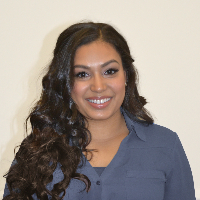
Iesha Whitaker
LCSW
New York - 8 yrs exp



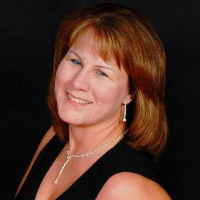
Henrietta Long-Hall
LCSW
New York - 12 yrs exp
Josephine Ovalles
LCSW
New York - 13 yrs exp










What Trauma-Focused Therapy Is
Trauma-Focused Therapy refers to a set of approaches that prioritize understanding and addressing the impact of traumatic experiences on thoughts, emotions and behavior. Therapists who practice this approach focus on safety, stabilization and meaning-making as well as on processing distressing memories when a person is ready. The goal is to reduce symptoms that interfere with daily life and to strengthen coping skills so you can engage more fully with work, relationships and routines.
Core principles and methods
The work typically centers on three broad principles: building a safe therapeutic relationship, developing practical skills to manage stress and distress, and carefully processing traumatic memories and their aftermath. Therapists may use techniques drawn from cognitive-behavioral frameworks, exposure work, somatic or body-aware practices, and structured memory-processing models. Many clinicians tailor these methods to your needs, pacing the work so that you maintain emotional regulation as you approach painful material.
How Trauma-Focused Therapy Is Used by Therapists in New York
In New York, clinicians bring Trauma-Focused Therapy into a range of settings, from private practices to community mental health centers. In urban centers such as New York City, you will find therapists who specialize in trauma among diverse populations and who often integrate cultural and social context into treatment. In smaller cities like Buffalo and Rochester clinicians may offer a blend of in-person and remote options, which can be useful if you live outside larger metropolitan areas or have mobility and scheduling needs.
Public and private settings
Therapists in public clinics may focus on trauma in connection with recovery from violence, displacement or other community stressors, while clinicians in private practices might emphasize individualized treatment plans that draw on specific trauma processing techniques. Across settings, the emphasis is on matching methods to your goals - whether that means symptom relief, rebuilding relationships, or addressing how trauma shapes your sense of self.
What Issues Trauma-Focused Therapy Commonly Addresses
Trauma-Focused Therapy is applied to a broad range of concerns that follow traumatic experiences. People pursue this work after single-incident events such as accidents or assaults, and after prolonged or repeated experiences such as childhood adversity, combat exposure or ongoing interpersonal harm. It can also help with the effects of medical trauma, complicated grief, and the secondary impact of witnessing or responding to others' trauma. Many come to therapy for help with anxiety, intrusive memories, sleep problems, difficulty concentrating, relationship strain or patterns of avoidance that limit daily functioning.
What a Typical Trauma-Focused Therapy Session Looks Like Online
If you choose an online option, a session will often begin with brief check-ins about how you have been managing since the last meeting. You and the therapist will review coping strategies, safety planning when needed, and any practice assigned between sessions. A portion of the session may be dedicated to skill-building - for example, grounding techniques, breathing practices, or thought-reframing exercises - and another portion may involve gradual, supported exposure to distressing memories or emotions when appropriate. Sessions generally last between 45 and 60 minutes, and therapists will collaborate with you to determine pacing so that processing does not become overwhelming.
Practical considerations for online work
When working online you will want to choose a quiet, comfortable environment where interruptions are minimized. Discuss technology preferences and contingency plans with the therapist in advance so you both know how to proceed if a connection drops. Many clinicians in New York offer a mix of in-person and online sessions to suit changing needs and life demands, so you can decide what feels most helpful for each stage of your work.
Who Makes a Good Candidate for Trauma-Focused Therapy
You may be a good candidate if traumatic experiences continue to affect your mood, relationships, or daily functioning and you are ready to engage in focused work to address those effects. People often seek trauma-focused treatment when they notice patterns - such as persistent hypervigilance, avoidance of reminders, nightmares, or a sense of emotional numbness - that interfere with goals or values. Therapists will typically assess where you are in terms of safety, emotional regulation and support networks, and they will tailor an approach to match your current capacities and priorities.
When to seek help and what to expect
It is appropriate to seek Trauma-Focused Therapy whether symptoms are recent or longstanding. Early intervention can prevent problems from becoming more persistent, but many people also begin this work after years of struggle and find meaningful change. Your therapist will discuss treatment options, expected steps and ways to measure progress so that you can make informed decisions about pacing and goals.
How to Find the Right Trauma-Focused Therapist in New York
Begin by considering practical factors such as location, availability, insurance or fee structure, and whether you prefer in-person sessions in New York City, Buffalo, Rochester, Albany or Syracuse, or the convenience of online appointments. Next, look at clinician profiles for training and experience with trauma-specific approaches. Many therapists list their specialties, licensure, and whether they have additional training in trauma-focused models. Reading profiles can help you identify clinicians whose orientation and background feel like a match.
Questions to ask during an initial contact
When you reach out, ask about the therapist’s experience with the specific kind of trauma you experienced, how they structure Trauma-Focused Therapy, and what strategies they use to support coping between sessions. It is also reasonable to ask about multicultural competency and experience working with your demographic or community context. A good first session will include time to assess fit as well as to set initial goals, so pay attention to whether the therapist listens and adapts explanations to your needs.
Making the Most of Therapy in New York
Therapy is a collaborative process. You can prepare by thinking about what you hope to change, what has been helpful in the past, and any scheduling or access concerns. If you live in a busy area like New York City you may have more immediate options to try different clinicians, while in places such as Buffalo or Rochester you might find clinicians who offer flexible online hours to bridge geographic distance. In all settings, clear communication with your therapist about expectations, pacing and cultural considerations increases the likelihood that the work will be meaningful and practical for your life.
Next steps
Use the therapist listings above to compare clinicians by their training, specialties, and availability. Reach out with a brief message that describes your needs and asks about fit. If the first match does not feel right, it is acceptable to try another clinician until you find someone whose approach and style support your healing and goals. With intentional selection and collaboration, Trauma-Focused Therapy in New York can be a pathway to greater stability, resilience and a clearer sense of direction as you move forward.