Find a Veterans Therapist in New York
On this page you will find licensed therapists who focus on Veterans care throughout New York, from New York City to upstate communities. Use the listings below to compare clinicians by specialty, location, and availability and connect with someone who fits your needs.

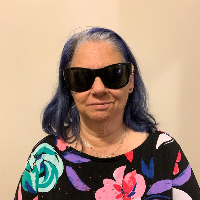




Claudia Stoscheck
LCSW
New York - 30 yrs exp















How veterans therapy works for New York residents
If you are a veteran living in New York, therapy typically begins with an initial consultation where you and a therapist discuss your background, current concerns, and goals. That first session is a chance to see whether the clinician's approach and experience match what you need. Therapists who work with veterans often combine trauma-informed methods with practical strategies for managing stress, sleep problems, relationship challenges, and the transitions that follow military service.
In New York the pathway to care can vary depending on whether you seek services through the Veterans Administration system, community mental health centers, private practice providers, or employer-based programs. Many clinicians offer both in-person sessions in neighborhoods across New York City, Buffalo, Rochester, Albany, and Syracuse as well as live video sessions for people who live outside major metropolitan areas. Regardless of the setting, clinicians licensed in New York follow state regulations and standards of practice.
Common therapeutic approaches
Therapists who specialize in Veterans care frequently use evidence-based approaches such as cognitive behavioral therapy and trauma-focused interventions adapted for military experiences. Some clinicians are trained in eye movement methods and other trauma processing techniques, while others emphasize skills-based work to reduce anxiety and improve sleep and daily functioning. The exact approach you experience will depend on the therapist's training and your individual needs.
Finding specialized help for veterans in New York
When you look for a therapist who understands military culture and the specific challenges veterans face, start by checking clinician profiles for keywords like combat-related trauma, military sexual trauma, transition and reintegration support, or work with active duty families. Many therapists note particular experience with common concerns for veterans, including managing flashbacks, substance use challenges after service, and coping with career or relationship transitions.
Location matters. If you live in New York City, you will typically find a wider range of specialties and quicker appointment availability. In Buffalo and Rochester there are experienced clinicians and community programs that focus on veterans' needs, and in smaller communities around Albany and Syracuse you may find therapists who combine general mental health care with veteran-specific expertise. If you live in an area with fewer local options, telehealth can bridge the gap, giving you access to clinicians across the state who are licensed to practice in New York.
Using benefits and payment options
You may be eligible for services covered by veterans benefits or by private insurance. Some therapists accept major insurance plans, offer sliding scale fees, or provide packages for short-term focused work. If you plan to use VA resources alongside private therapy, ask your therapist about coordinating care and obtaining any necessary referrals or documentation. Understanding cost and coverage before beginning care helps you focus on progress rather than administrative surprises.
What to expect from online therapy for veterans
Online therapy in New York has become an established option that many veterans choose for convenience and accessibility. When you start online care you and your therapist will agree on a platform for video sessions, a plan for scheduling, and how to handle emergencies or appointments that need to move to in-person care. Because licensing is state-based, make sure any clinician you work with is licensed to practice in New York to ensure they are operating under appropriate state rules.
Online sessions often follow the same structure as in-person meetings: check-in, review of progress, and work on specific skills or processing. Many people appreciate that online sessions can reduce travel time and make it easier to maintain continuity of care when relocating between cities. You should expect conversations about technology access, session privacy, and how to create a comfortable environment at home or wherever you choose to meet online.
Practical considerations for telehealth
Before your first online appointment, test your internet connection and audio-video settings. Choose a quiet, well-lit area where you can speak openly and minimize interruptions. If your schedule is unpredictable because of work or family commitments, ask about flexible scheduling options or shorter session lengths. Also inquire about how records are maintained and how you will receive communication between sessions, including appointment reminders and any homework or resources your therapist shares.
Common signs that someone in New York might benefit from veterans therapy
You might consider seeking a therapist if you notice persistent difficulties that interfere with daily life or relationships. Many veterans experience prolonged sleep disruption, sudden anger or irritability, avoidance of reminders from service, or difficulties trusting others. Challenges with concentrating at work, sudden changes in mood, increased use of alcohol or other substances, or difficulties adjusting to civilian employment are also signals that professional support could be helpful.
If you are moving frequently between duty stations and civilian life, you might find old coping strategies no longer fit current demands. Therapy can provide tools to manage stress, process complex memories, and rebuild routines. You do not need to wait until a problem becomes severe to reach out; early support can make later steps more manageable.
Tips for choosing the right therapist for this specialty in New York
Start by considering the therapist's experience with veterans and military culture. You can ask about the types of clients they typically see, how long they have worked with veterans, and whether they have training in trauma-focused care. It is reasonable to ask how they approach treatment and what outcomes they aim to achieve. If you want a clinician who understands military rank, deployment experiences, or reintegration challenges, say so in your initial outreach.
Consider practical factors like location, availability, and scheduling. If you prefer in-person sessions, look for clinicians near your neighborhood in New York City or close to your community in Buffalo, Rochester, Albany, or Syracuse. If you need evening or weekend appointments because of work, ask about flexibility. Also discuss insurance coverage and fees up front so you can plan financially.
Trust your instincts about rapport. The connection you feel with a therapist influences how comfortable you are sharing difficult topics and how engaged you will be in the work. It is acceptable to try a few sessions and then change clinicians if the fit is not right. The directory listings below can help you narrow options by listing specialties, approaches, and languages spoken.
Next steps and local considerations
After you identify a few promising therapists, reach out to schedule an initial consultation. Use that conversation to ask about experience with veteran-specific concerns, expected session structure, and coordination with other providers if needed. If you are connected to VA services or community programs, your therapist can often help you navigate referrals and complementary resources available in New York.
Whether you are living in a dense urban area or a smaller city, taking the first step of reaching out can open the door to practical strategies and ongoing support. Browse the profiles below to compare clinicians and contact those who seem like a good fit for your needs and goals. If you are in immediate danger or experiencing a crisis, please contact local emergency services or crisis resources right away.