Find a Young Adult Issues Therapist in New York
This page lists therapists in New York who specialize in young adult issues, helping people navigate transitions, relationships, and identity development. Browse the listings below to compare clinicians and find a fit for your needs.

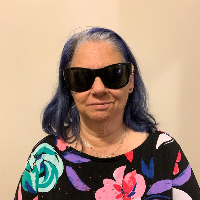
Dr. Colleen Downes
LCSW
New York - 35 yrs exp



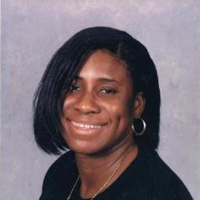
Iesha Whitaker
LCSW
New York - 8 yrs exp

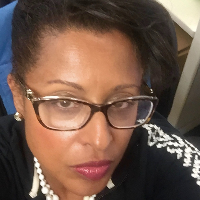




Claudia Stoscheck
LCSW
New York - 30 yrs exp











How young adult issues therapy works for New York residents
When you seek therapy for young adult issues in New York, you are looking for support tailored to the unique changes that occur between late adolescence and early adulthood. Therapists who focus on this stage understand common challenges such as adjusting to college or work, forming independent relationships, exploring identity, and managing new responsibilities. In this context you and your clinician will likely begin with an assessment of your current concerns, goals, and daily routines so that treatment can be adapted to your life in New York - whether you live in New York City, a suburban neighborhood outside Albany, or a smaller community near Buffalo or Rochester.
Sessions are typically structured around your priorities and may include goal-setting, skill-building, and reflective conversations that help you develop strategies for coping and growth. Many therapists use evidence-informed approaches while adapting techniques to your preferences, cultural background, and practical constraints like work or school schedules. In New York, clinicians are licensed by state boards, which means they are held to professional standards that apply across different practice settings.
Common therapeutic approaches
You will often encounter several therapeutic approaches when seeking help for young adult issues. Cognitive behavioral techniques help you identify thought patterns that affect mood and behavior and replace unhelpful patterns with more adaptive ways of thinking. Interpersonal approaches focus on communication, relationship dynamics, and social role transitions. Therapists trained in developmental perspectives emphasize the milestones and adjustments of early adulthood, offering guidance on identity exploration, career decision-making, and boundary setting. Some clinicians combine techniques to match your goals and learning style, creating a collaborative process rather than a one-size-fits-all model.
Finding specialized help for young adult issues in New York
Finding a therapist who specializes in young adult issues means looking for someone with experience working with people in your age range and with the kinds of transitions you are facing. In New York City you may find clinicians with niche expertise in college transition counseling or early career stress, while in Buffalo or Rochester therapists might bring additional experience with local community resources and university partnerships. Look for bios or profiles that mention work with identity development, relationship skills, or life-stage transitions, and consider whether the therapist's background matches your cultural and language needs.
Local clinics, university counseling centers, and community mental health organizations can be useful starting points, especially if you live near college campuses or large hospitals. If you are juggling work or school, search for clinicians who offer flexible hours or evening sessions. Insurance coverage, sliding scale fees, and public mental health programs vary across New York, so you may want to check a therapist's billing practices and whether they accept your plan. Licensing requirements ensure clinicians meet state educational and supervision standards, and you can look up licenses through New York State resources if you want to confirm credentials.
How geography affects access
Your location in New York influences the options available to you. In New York City you will likely have access to a wide range of specialists and niche services, as well as alternatives like group therapies targeted to young adults. In smaller cities such as Buffalo, Rochester, Albany, and Syracuse you may find fewer specialists but often clinicians who offer a broad set of skills and strong knowledge of local supports. If you live in a rural part of the state, online therapy can extend your access to clinicians with specific young adult expertise who practice from other regions of New York.
What to expect from online therapy for young adult issues
Online therapy has become a common way to connect with therapists across New York. When you choose online sessions, you can expect video or phone appointments that follow much the same structure as in-person work: an initial intake to review concerns and goals, followed by regular meetings focused on skill-building and reflection. Online therapy can reduce travel time and make scheduling around classes or night shifts easier, and it often enables you to access clinicians who are not in your immediate area but who specialize in young adult concerns.
During online sessions your clinician will work to create a comfortable environment where you can discuss sensitive topics. Practical considerations include testing your technology, choosing a quiet space for sessions, and making a plan for contacting the therapist between appointments if that option is offered. If you are in New York City, Buffalo, or Rochester and considering a mix of in-person and virtual care, discuss hybrid arrangements with the therapist so expectations are clear. Licensing rules may affect where a therapist is permitted to provide remote services, so confirm that your clinician is authorized to work with clients in your state.
Common signs that someone in New York might benefit from young adult issues therapy
You might consider seeking help if you are struggling with repeated relationship difficulties, persistent anxiety about academic or career choices, or a sense of aimlessness after a major transition such as graduating from college. Difficulty managing increased responsibilities - like paying bills, maintaining a job, or balancing multiple roles - can create stress that a skilled therapist can help you navigate. Social isolation, trouble establishing boundaries with family or friends, or ongoing mood changes that interfere with daily life are also indicators that therapy could be helpful.
For people in fast-paced environments like New York City, the pressure to perform and compare oneself to peers can intensify feelings of overwhelm. If you find that work or school demands are causing burnout, or if changes in relationships are leaving you uncertain about next steps, targeted therapy can help you build coping strategies and clarify priorities. You do not need to be in crisis to benefit from support - therapy is often a place to grow intentional skills for thriving in adulthood.
Tips for choosing the right therapist for young adult issues in New York
Start by identifying what matters most to you in therapy - do you want a clinician experienced in relationship issues, career counseling, identity work, or trauma-informed care? Read therapist profiles for educational background, areas of focus, and descriptions of their approach, and look for mentions of work with young adults or transitional life stages. Consider logistics such as location, availability, and whether the clinician offers evening or weekend appointments that fit your schedule in New York City, Buffalo, or Rochester.
Ask about the therapist's experience with the particular challenges you face and how they measure progress. It is reasonable to request an initial consultation to get a sense of their style and whether you feel comfortable working with them. Trust your instincts about whether the therapist listens and responds in ways that feel helpful. If you rely on insurance, verify coverage and ask about out-of-pocket costs. Some therapists offer reduced fee options or can connect you with community resources if cost is a concern.
Practical steps to begin
Once you identify potential clinicians, reach out to schedule an intake or consultation. Prepare a brief summary of your current concerns and goals so you can use your first session to establish priorities. If you are balancing school or a job in New York, ask about session length and frequency that match your availability. Keep in mind that finding the right fit may take a few meetings - it is acceptable to change therapists if your needs are not being met.
Therapy for young adult issues in New York is about finding a partner who helps you build clarity, resilience, and practical skills for the life you are creating. Whether you are navigating early career decisions in Manhattan, returning to school in Buffalo, or exploring identity in Rochester, the right clinician can make the process more manageable and purposeful. Use the listings above to compare profiles, read about clinicians' specialties, and book an initial appointment to begin moving toward your goals.