Find an Antisocial Personality Therapist in North Carolina
This page highlights clinicians who specialize in Antisocial Personality in North Carolina, with options across major metropolitan and regional areas. Use the profiles below to compare approaches, credentials, and availability. Browse the listings to find a clinician who aligns with your needs.


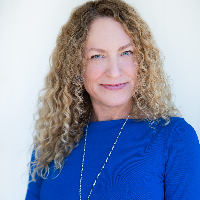
Jill Wheeler
LCMHC
North Carolina - 12 yrs exp












How Antisocial Personality Therapy Works for North Carolina Residents
If you are exploring therapy for antisocial personality traits in North Carolina, it helps to know that treatment typically centers on building practical skills, improving decision-making, and addressing behaviors that create problems in relationships or daily life. Therapy is not about assigning blame; it is about setting goals that reflect the changes you want to see and developing strategies to reach them. Sessions frequently combine structured, skills-based methods with opportunities to examine how thoughts and behaviors interact in difficult situations. For many people the work includes attention to related factors such as substance use, legal involvement, impulsive behavior, or co-occurring mood concerns. Your clinician will tailor the pacing and focus to your circumstances, whether you live in a larger city like Charlotte or Raleigh or in a smaller town elsewhere in the state.
Finding Specialized Help in North Carolina
When you look for a therapist who understands antisocial personality patterns, consider both clinical training and practical experience. Clinicians with backgrounds in psychology, counseling, social work, or marriage and family therapy may all offer effective support, and you can look for those who list experience with personality-related concerns or with settings that involve high-risk behaviors. Many providers in the state bring additional training in behaviorally oriented modalities, motivational approaches, or forensic-informed care. If you are in Durham or another North Carolina city with university-affiliated clinics or community mental health resources, you may find programs that collaborate with research centers or offer multidisciplinary teams. It is reasonable to ask about the therapist's experience working with people who have faced similar challenges, their approach to risk assessment, and how they incorporate family or community supports when appropriate.
Licensure and Local Considerations
Therapists in North Carolina are licensed through state boards, so when you review profiles note credentials and license type. If you are seeking care across county lines - for example traveling from Greensboro to Asheville for a specialized provider - check availability for in-person visits and whether the clinician offers remote sessions. Some services in urban centers like Charlotte may be more readily available, while rural areas often rely on telehealth to expand access. Consider proximity, transportation options, and how appointments can fit into your schedule before committing to a clinician.
What to Expect from Online Therapy for Antisocial Personality
Online therapy can be a practical option if you live far from specialty services or prefer remote sessions. When you choose virtual care, expect structured sessions that mirror in-person work: assessment, collaborative goal-setting, practice of new skills, and periodic review of progress. Platforms used by clinicians typically employ encrypted connections and follow legal standards for health information protection. Before beginning, confirm that the therapist is licensed to practice in North Carolina and that they can provide continuity of care if you require in-person referrals. You should also discuss how emergencies are handled remotely, what to do if a session is interrupted, and how long-term plans will be coordinated if other supports are needed. For people who live in larger metro areas such as Raleigh or in more remote parts of the state, remote therapy often increases your options while allowing you to keep appointments consistent.
Common Signs Someone Might Benefit from Antisocial Personality Therapy
You might consider seeking specialty therapy if you or someone you care about frequently encounters challenges related to repeated conflicts with authority, impulsive decision-making that produces harm, or ongoing patterns of behavior that strain personal and professional relationships. Other signs include difficulties maintaining steady employment or relationships, repeated legal troubles, or a pattern of behaviors that suggest a tendency to disregard the rights or feelings of others. It is also useful to seek help when substance use problems coexist with these patterns, because integrated treatment can address both behavior and addiction. Therapy is not only for when problems are severe; early support can help you manage stressors before patterns become more entrenched and disruptive.
How Therapy Sessions Typically Progress
Early sessions usually involve assessment and establishing goals that are meaningful to you. Your therapist may ask about your history, patterns of thinking and behavior, and specific situations that are causing difficulty. After assessment, you can expect a combination of practical skill-building - such as impulse control strategies, problem-solving techniques, and communication practice - alongside work to understand the consequences of choices and how to plan for different outcomes. Some approaches use role-play or scenario planning to rehearse alternative responses, while others focus on motivational techniques that support gradual change. Progress is often incremental, and your therapist should offer realistic expectations while celebrating measurable steps forward.
When Court-Mandated or Coordinated Care Is Involved
In some situations therapy may be recommended or required by the legal system, probation officers, or organizational programs. If this applies to you, clarify what documentation will be provided, what outcomes are expected, and how the therapist collaborates with other professionals. You still have the right to understand the goals of treatment and to participate in planning. Therapists with experience in forensic settings understand how to balance clinical goals with external requirements while focusing on practical, achievable steps.
Tips for Choosing the Right Therapist in North Carolina
Start by identifying clinicians who list relevant experience with antisocial traits, behaviorally oriented therapies, or forensic-informed work. When you contact a prospective clinician ask directly about their experience with similar concerns, typical session structure, and how they measure progress. Consider whether you prefer a clinician who emphasizes skill-building, one who takes a relational approach, or a therapist who integrates both styles. Logistics matter: confirm insurance acceptance, sliding scale availability, and whether evening or weekend appointments are offered if you have work or family commitments. If you commute to cities like Charlotte or Durham for appointments, factor travel time into your choice. Don’t underestimate the importance of rapport - effective therapy depends on a working relationship where you feel understood and heard.
Practical Questions to Ask During a Consultation
During an initial call you can ask about typical timeframes for treatment, how crisis situations are managed, and whether they coordinate care with other professionals when needed. Ask about the therapist's approach to co-occurring issues such as substance use or mood disorders, and whether family or group sessions are part of the recommended plan. If you plan to use online sessions, inquire about technology requirements and how appointments are scheduled and billed. These conversations help you decide if the clinician's style and structure match what you need.
Making the Most of Treatment
Therapy for antisocial personality concerns is often most effective when you set clear, attainable goals and practice skills between sessions. Ask your therapist for homework or real-world exercises that align with your objectives. Keep in mind that change can be gradual; small improvements in impulse control, relationship management, or decision-making can build momentum over time. If a particular approach is not producing progress after a reasonable period, discuss alternatives or ask for referrals to clinicians with different specialties. In cities across North Carolina - whether you are in Raleigh, Charlotte, or a smaller community - there are clinicians who offer varied approaches and who can partner with you to find a path forward.
Finding a therapist who understands the complexities of antisocial personality patterns can feel challenging, but North Carolina offers a range of providers who combine clinical training with real-world experience. By asking thoughtful questions, checking credentials, and paying attention to the therapeutic relationship, you can connect with a clinician who helps you or a loved one move toward clearer goals and more manageable daily functioning.