Find a Body Image Therapist in North Carolina
This page lists therapists across North Carolina who specialize in body image concerns, including clinicians offering in-person and telehealth options. Browse the listings below to compare approaches, locations, and therapist profiles and identify practitioners that match individual needs.

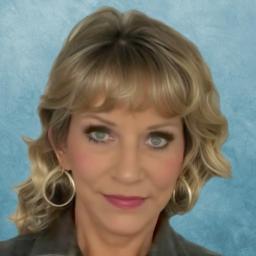
Jill Wheeler
LCMHC
North Carolina - 12 yrs exp

















How body image therapy works for North Carolina residents
If you decide to pursue body image therapy in North Carolina, expect a process that centers on understanding how your thoughts, emotions, and behaviors relate to your sense of self and appearance. Early sessions generally focus on building rapport, clarifying your goals, and creating a plan that fits your life - whether you are seeking help for distressing self-talk, avoidance of social situations, disordered eating patterns, or a longer history of body-related shame. A therapist will typically combine talk-based work with targeted exercises and home practice so the skills you learn in session begin to influence daily routines and relationships.
Therapy often unfolds over weeks to months, and the pace depends on your priorities and the intensity of the issues you bring. In North Carolina this can look different depending on whether you meet in person in a city like Charlotte, Raleigh, or Durham, or work with a clinician online from a rural area. Therapists strive to create a comfortable environment where you can explore beliefs about your body, develop self-compassion, and practice new ways of relating to yourself.
Approaches you may encounter
Several evidence-informed approaches are commonly used for body image concerns. Cognitive behavioral strategies help you identify and reframe unhelpful thoughts about appearance. Acceptance-based models focus on building psychological flexibility and making values-driven choices despite uncomfortable feelings. Compassion-focused techniques aim to reduce self-criticism and cultivate a kinder internal voice. Somatic approaches attend to the body itself - how sensations, posture, and movement carry meaning - which can be especially helpful if you notice tension or disconnection. Depending on your history, trauma-informed care may be integrated so that work on body image is paced and supported.
Finding specialized help for body image in North Carolina
When searching for a specialist, look beyond general therapy labels and review clinician profiles for explicit experience with body image, eating concerns, trauma, gender-related care, or the cultural dimensions of appearance. Many therapists list training in relevant approaches, such as cognitive behavioral therapy, acceptance and commitment therapy, or compassion-focused therapy. If you are in a metropolitan area like Charlotte, Raleigh, or Durham you will often find more clinicians with specialized training, while smaller towns may offer fewer options. Telehealth has expanded access so you can connect with clinicians across the state and find someone whose expertise and style match your needs.
Consider local resources as well. University counseling centers, community mental health programs, and nonprofit organizations sometimes offer specialty clinics or referrals. If you prefer in-person care, check whether a therapist’s office is conveniently located near work or transit lines in Greensboro, Asheville, or other North Carolina cities. If accessibility is a priority, ask about scheduling flexibility and accommodations during an initial inquiry.
What to expect from online therapy for body image
Online therapy has become a common way to address body image, especially for people who live outside urban centers or who prefer the convenience of virtual sessions. A typical online session mirrors in-person therapy in length and structure, with added use of digital worksheets, screen-sharing, and email follow-ups to reinforce practice. You may work on exposure exercises, mirror work adapted for video, journaling prompts, and behavioral experiments designed for your environment. Many clinicians also provide resources you can review between sessions to support steady progress.
Before beginning online work, confirm practical details such as how sessions are conducted, what platform will be used, and how to handle emergencies or urgent needs. It helps to set up a quiet, comfortable area for sessions where you feel safe to speak freely. If you live in a busy household or in shared housing, planning for privacy and minimal interruptions will make sessions more effective. Therapists can often offer suggestions for creating a focused space and managing technology concerns so you can concentrate on the work.
Common signs that someone in North Carolina might benefit from body image therapy
You might consider body image therapy if negative thoughts about your body are frequent, intense, or interfering with daily life. If you notice persistent self-criticism, avoidance of activities that involve your body, or a preoccupation with weight, shape, or appearance that reduces your enjoyment of social or work life, these are often signals that targeted support could help. Changes in eating patterns, compulsive exercise, constant comparison to others, or a pattern of checking and reassurance-seeking can also indicate something is affecting your relationship with your body.
Other reasons to seek help include feeling stuck in cycles of shame and perfectionism, an appearance-related problem that worsens anxiety or depression, or transitional moments like pregnancy, aging, medical events, or gender-related changes that bring up unexpected emotions. If these experiences make it hard to participate in the life you want, working with a therapist can create space to explore new responses and build coping strategies.
Tips for choosing the right therapist for body image in North Carolina
Begin by reviewing clinician profiles to confirm they list relevant experience and training in body image, eating concerns, trauma, or related areas. Look for language that resonates with you - some therapists emphasize skill-building and behavioral change while others foreground acceptance and self-compassion. Consider whether you prefer clinicians who integrate a body-based approach or those who focus mainly on thoughts and behaviors. If identity factors matter to you, check for statements about cultural competence, LGBTQ-affirming care, or experience working with diverse bodies and communities.
Practical considerations are important. Ask about session length, typical course of treatment, availability for evenings or weekends, and whether the clinician offers telehealth across North Carolina. Clarify fees, insurance acceptance, and sliding scale options so you can plan sustainably. An initial phone or video consultation is an opportunity to get a sense of the therapist’s style and whether you feel understood. During that first conversation it is reasonable to ask about experience with cases like yours, how progress is measured, and what a typical session might look like.
If you live near Charlotte, Raleigh, or Durham you may have more in-person options to choose from, but therapists across the state increasingly offer hybrid models that combine in-person and online work. If coordination with other providers would be helpful, ask whether the therapist is willing to collaborate with medical professionals or nutritionists while respecting your consent and boundaries.
Making the first appointment
When you are ready to book, schedule an initial session to discuss goals and expectations. It is common to feel nervous about starting this work, and a good therapist will help you set realistic, measurable steps. Trust your sense of fit - if after a few sessions you do not feel the collaboration is progressing, it is acceptable to discuss adjustments or to seek a better match. Finding the right therapist is often a process, and taking the first step to explore options is a meaningful move toward changing your relationship with your body.
Across North Carolina, whether you choose a clinician in a nearby city or someone you meet with online, body image therapy can offer practical tools, emotional support, and a path toward greater ease in daily life. Use the listings above to compare clinicians, read profiles, and reach out to begin a conversation about what changes you want to create.