Find a Female Therapist in North Carolina
This page features Female Therapist practitioners across North Carolina, including profiles for clinicians who offer in-person and online sessions. Browse the listings below to compare specialties, locations, and contact options to find a good match.
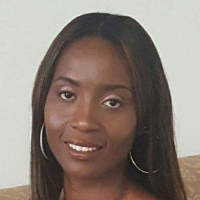
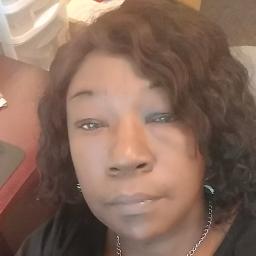
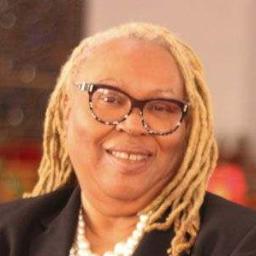
LaShica Hemingway
LCMHC
North Carolina - 12 yrs exp







How Female Therapist therapy works for North Carolina residents
When you begin looking for Female Therapist care in North Carolina, you will find a mix of in-person and online options. Many clinicians are licensed to practice in the state and provide services that range from short-term, solution-focused work to longer-term psychotherapy. A typical first step is an initial consultation - sometimes called an intake - where you and the therapist talk about the concerns that brought you to therapy, review practical details like fees and scheduling, and consider treatment goals. Therapy often proceeds in weekly or biweekly sessions, with flexibility depending on your needs and the clinician's approach.
North Carolina law requires mental health providers to hold the appropriate state license for their discipline. You can expect therapists to describe their training, areas of specialization, and the types of clients they usually work with. If you live in a city like Charlotte, Raleigh, or Durham you may have more choices for in-person appointments, whereas rural areas may have fewer local clinicians and more teletherapy options.
Finding specialized help for Female Therapist in North Carolina
Finding a therapist who focuses on the concerns most relevant to you starts with clear priorities. Some Female Therapist clinicians emphasize perinatal and postpartum support, reproductive mental health, trauma-informed approaches, relationship work, or support for identity-related issues. Others might combine clinical training with specialized certifications or additional coursework. When you review profiles, look for language that signals experience with the specific issues you want to address. If you are dealing with life transitions, parenting challenges, or issues connected to hormonal changes, you may prefer someone who lists those topics as core areas of expertise.
Accessibility is another important consideration. If travel is difficult, search for clinicians who explicitly offer remote sessions statewide. If you want face-to-face care, focus on listings from major centers such as Charlotte, Raleigh, or Durham where clinic options and multi-disciplinary practices are more common. Some therapists also collaborate with medical providers, doulas, or community programs, which can be helpful if you want coordinated care.
What to expect from online therapy for Female Therapist
Online therapy has become a mainstream option in North Carolina and can be a practical choice if you have a busy schedule, limited local options, or mobility constraints. When you choose remote sessions, expect sessions to be conducted by video or sometimes by phone or text-based messaging, depending on the clinician. Therapists typically explain how technology will be used, how appointments are scheduled, and what to do in case of technical issues. You should also expect a discussion about emergency planning - how the therapist will handle urgent situations since they may not be physically near you during a session.
Online therapy can provide continuity of care if you move within the state or travel between cities like Charlotte and Asheville. It also lets you access clinicians with specialized training who may not have a local office. Before your first remote session, make sure you have a quiet, comfortable place to talk and a reliable internet connection. Ask the therapist how they structure online sessions and whether they assign activities or readings between appointments.
Common signs you might benefit from Female Therapist therapy
You might consider reaching out to a Female Therapist clinician if you notice persistent feelings that interfere with daily life, such as ongoing sadness, anxiety, or overwhelm. Changes in sleep or appetite, difficulty concentrating, or strained personal relationships can also be indicators that professional support could help. If you are navigating a major life change - like becoming a parent, ending a relationship, or coping with a medical issue - therapy can provide tools and perspective that make adaptation easier. Many people seek therapy not only for crises but also to build resilience, clarify values, and improve communication.
In North Carolina communities, where access to behavioral health resources varies by region, seeking help early can prevent problems from escalating. Whether you live in a busy urban neighborhood or a smaller town, noticing patterns that reduce your quality of life is a reasonable trigger to look for a clinician who fits your needs.
Tips for choosing the right Female Therapist therapist in North Carolina
Start by identifying the features that matter most to you. Consider the therapist's stated approach, experience with your presenting concern, availability for in-person versus online sessions, and practical matters such as fees and insurance acceptance. If you have a preferred treatment style - for example, cognitive-behavioral approaches, psychodynamic therapy, or trauma-informed care - look for clinicians who describe that orientation. You can also check whether they offer flexible scheduling, evening hours, or sliding-scale fees if that would make care more accessible for you.
When you contact a therapist for an initial conversation, ask about their experience working with clients in North Carolina and their familiarity with local resources. In larger cities like Charlotte and Raleigh you may be able to find multi-disciplinary practices that include psychiatry or group options. In more rural areas you may want a clinician who maintains a network of referral partners for cases that require additional services. Trust your instincts about the therapeutic connection - many people find that the relationship with the therapist matters as much as the specific techniques used.
Practical considerations: insurance, licensing, and logistics
Understanding fees and insurance can help you make sustainable choices. Many therapists in North Carolina accept private insurance, while others operate on a private-pay basis and may provide receipts for out-of-network reimbursement. If cost is a concern, inquire about sliding-scale fees or community clinics that offer reduced rates. Confirm cancellation policies and whether the clinician offers brief intake sessions to determine fit before committing to ongoing appointments.
Always verify that a therapist is licensed to practice in North Carolina. State licensing ensures that the clinician has met educational and training standards and is authorized to provide services in the state. If you have questions about a therapist's credentials, a state licensing board website can provide verification and information about the scope of practice for different license types.
Local considerations and next steps
As you explore listings, think about whether you prefer someone with office hours near transit routes or in neighborhoods you already visit, or whether online options better meet your lifestyle. In cities such as Charlotte, Raleigh, and Durham you may find clinicians with specific population focus and collaborative care models. If you live in a smaller community, teletherapy expands your access to clinicians with specialized training. Take advantage of initial consultations to assess rapport and practical fit, and give yourself permission to try a few clinicians until you find the right partnership.
Therapy is a personal process and finding the right Female Therapist clinician in North Carolina often involves combining practical criteria with how comfortable you feel during early sessions. Use the profiles on this page to narrow your search, reach out with questions, and arrange an initial meeting. When you find a clinician whose experience and approach align with your needs, you will be in a better position to begin meaningful work on the issues that brought you here.