Find a Guilt and Shame Therapist in North Carolina
This page highlights therapists across North Carolina who concentrate on guilt and shame, offering information on their specialties, approaches, and appointment formats. Explore the listings below to compare clinicians and find a match in your city.




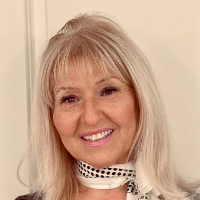
Jill Wheeler
LCMHC
North Carolina - 12 yrs exp


















How guilt and shame therapy works for North Carolina residents
When you seek therapy for feelings of guilt or shame, the work typically combines emotional understanding with practical skills. A clinician will help you explore the beliefs, memories, and situations that trigger those feelings, while also guiding you toward more compassionate self-understanding and healthier behavior patterns. Over time you may learn to notice automatic reactions, name painful emotions, and choose responses that reflect your values rather than older patterns of self-blame.
Therapists use a range of evidence-informed approaches to support that process. Cognitive approaches help you identify and reframe unhelpful thoughts, emotion-focused methods guide you through processing strong feelings, and narrative techniques invite you to revise stories you tell about yourself. Some clinicians draw on compassion-focused ideas to reduce harsh self-criticism, while others use trauma-informed practices if past events contribute to intense guilt or shame. The exact mix of methods will be tailored to your needs.
Finding specialized help for guilt and shame in North Carolina
North Carolina has a diverse network of mental health professionals in urban and rural settings alike. If you live in a larger area such as Charlotte, Raleigh, or Durham, you may find clinicians who advertise direct experience with guilt and shame-focused work. Elsewhere in the state, many therapists bring relevant training and offer remote appointments to reach clients across county lines. When you review profiles, look for clinicians who describe working with moral injury, self-criticism, relationship regret, or trauma-related shame, as these phrases often indicate a specialty in the topic.
Licensure and credentials matter because they tell you about training and the scope of practice. Many clinicians will list their degrees, licensure type, and specific training or certificates on their profiles. You can also find therapists who specialize in particular populations - for example adolescent clients, parents, veterans, or people navigating faith-related guilt. Narrowing your search by the population you most identify with can improve the fit between you and a clinician.
What to expect from online therapy for guilt and shame
Online therapy has become a common option in North Carolina, and it can be especially useful when you need flexible scheduling or when in-person options are limited. When you begin teletherapy, your clinician will explain the technology they use, session length, scheduling policies, and how they protect your personal information. You should plan to join sessions from a quiet, private space where interruptions are minimized. A reliable internet connection and a device with a camera and microphone will usually be all that is needed.
Remote sessions often replicate the flow of in-person work. You and your clinician will set goals, establish boundaries, and work on techniques such as cognitive restructuring, self-compassion exercises, or imagery practices by phone or video. Some people find it easier to open up from home; others prefer meeting in a therapist's office for the in-person presence. If you live in Raleigh or a nearby community, you may have both options and can choose what feels most comfortable. Keep in mind that therapists who offer virtual care are generally practicing under the rules of the state where they are located and where you are physically present during the session.
Common signs that someone might benefit from guilt and shame therapy
You might consider seeking help when feelings of guilt or shame become frequent, intense, or interfere with daily life. This can show up as persistent self-criticism, avoidance of people or activities, or difficulty accepting kindness from others. Some people notice increased anxiety or depressive moods tied to ruminating about past actions, or find that shame prevents them from asking for help at work or in relationships. Others struggle with moral distress after a life change or event, and those feelings can limit your ability to move forward.
If guilt leads you to repeatedly punish yourself or if shame creates a sense of worthlessness, therapy can offer a place to explore these patterns and develop alternatives. You do not need to wait until a crisis to reach out; early work can lessen the hold that guilt and shame have on your choices, relationships, and overall wellbeing.
Tips for choosing the right therapist for guilt and shame in North Carolina
Start by clarifying what matters most to you - whether that is a therapist's background with specific modalities, experience with certain life circumstances, cultural alignment, or logistical features like evening hours. When viewing profiles, pay attention to the language therapists use about guilt and shame. Clinicians who write about compassion-based methods, trauma-informed care, or moral injury are often directly engaged with the kinds of issues you may want to address.
Consider reaching out to more than one clinician to ask brief questions about their approach and availability. An introductory call or message can help you assess whether a therapist's style feels like a fit without committing to a full session. Ask about session frequency, typical duration, and how they measure progress. If you live in Charlotte or another city, ask whether they offer both in-person and virtual options and what their cancellation and emergency policies are. You should also feel comfortable discussing payment options, sliding scale availability, and how insurance is handled if that matters to you.
Fit matters as much as formal qualifications. If a therapist's tone, values, or communication style does not match your preferences, it is reasonable to try someone else. The early sessions are a chance for you and the clinician to determine whether you can work together toward the goals you set. Good therapeutic relationships are collaborative - you should feel heard, respected, and understood without judgment as you explore difficult emotions.
Practical next steps
Begin by reviewing profiles and noting clinicians who describe direct experience with guilt and shame. Prepare a short list of questions or concerns you want to address in an initial contact. If you are using online care, test your technology ahead of the first session and choose a private space where you can speak freely. If you are in a city like Durham and prefer in-person work, check office locations and parking or transit options. Keep in mind that it is common to try a couple of clinicians before finding the best match - seeking help is a process, and finding a therapist who feels right for you is an important part of that journey.
Therapy for guilt and shame is about building a life where you can hold responsibility without being overwhelmed by self-reproach. With the right clinician and approach, you can learn practical skills to reduce distress, repair relationships where possible, and move toward a more compassionate way of living. Use the listings above to explore options in North Carolina and take the next step when you are ready.