Find a Hospice and End-of-Life Counseling Therapist in North Carolina
This page lists licensed hospice and end-of-life counseling therapists who serve communities across North Carolina. You can browse listings by location and specialty to find clinicians near Charlotte, Raleigh, Durham and other areas. Review profiles below to learn about each therapist's approach and contact options.

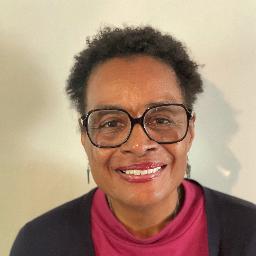

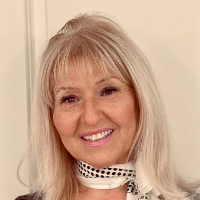


Tanya Richmond
LCSW
North Carolina - 26 yrs exp

















How hospice and end-of-life counseling works for North Carolina residents
Hospice and end-of-life counseling focuses on emotional, practical, and existential concerns that arise when someone is facing a life-limiting illness or the transition to hospice care. In North Carolina, therapists who specialize in this area work with patients, family members, and caregivers to navigate grief, decision-making, legacy concerns, and changes in roles and routines. Counseling may be offered as short-term support around a crisis or as ongoing work to process anticipatory grief and bereavement.
Therapists often coordinate with hospice agencies, medical teams, spiritual care providers, and community resources to make sure you and your family have support that fits your goals. That coordination can take place in a hospice facility, in your home, in outpatient clinics, or through virtual sessions, depending on what is available and what feels most helpful to you.
Who provides this care
In North Carolina, licensed clinical social workers, professional counselors, marriage and family therapists, and psychologists commonly provide hospice and end-of-life counseling. Some clinicians have additional training in grief counseling, palliative care, or trauma-informed approaches. When you look at a therapist’s profile, you may see mention of specialized training in bereavement, work with adults or older adults, and experience collaborating with hospice teams in cities such as Charlotte, Raleigh, and Durham.
Finding specialized help in North Carolina
When you begin searching for a therapist, start by considering where you want sessions to take place and what kind of experience matters most to you. If you prefer in-person meetings, check for clinicians who work near your community - whether that's an urban area like Charlotte or Raleigh or a smaller town. If mobility or distance is a concern, many therapists provide telehealth options so you can connect from home. You can also seek recommendations from your hospice provider, hospital social work department, or community-based organizations that support older adults and caregivers.
Licensure and relevant experience are important. You can look for credentials such as LCSW, LPC, LMFT, or PhD and read provider bios to understand whether they have handled hospice transitions, complex medical grief, or caregiver stress. Some therapists list past partnerships with hospice agencies or describe approaches they use for end-of-life work, which helps you match a clinician’s style to your needs.
What to expect from online therapy for hospice and end-of-life counseling
If you choose online therapy, you will typically meet by video or phone at scheduled times. Sessions often focus on immediate concerns - managing overwhelming emotions, making plans for care conversations, addressing family conflict, or creating ways to honor a loved one’s wishes. Many people find that virtual sessions reduce travel and make it easier for family members in different locations to attend together, especially in regions where specialized clinicians may be farther apart.
Before your first online meeting, you will want to confirm a few practical details with the therapist. Ask about the platform used for sessions and what steps the clinician takes to protect your privacy. Clarify how the therapist handles emergencies and what to do if someone needs immediate medical attention. When you work with a North Carolina-licensed therapist, they are able to provide telehealth services to residents in the state and can explain any state-specific considerations related to counseling and documentation.
Common signs that someone might benefit from hospice and end-of-life counseling
You might consider seeking counseling if you notice prolonged or intense emotional reactions that interfere with daily life, if you or a loved one are struggling with decisions about care and goals, or if family dynamics become strained around end-of-life planning. Caregivers who feel overwhelmed, exhausted, or resentful can benefit from support aimed at reducing burnout and improving coping strategies. People facing a terminal diagnosis may find it helpful to explore meaning, legacy, and existential concerns with a clinician who is comfortable discussing death and dying.
Other signals include difficulty sleeping, persistent anxiety about health changes, avoidance of conversations about practical planning, or complicated grief reactions after a loss. You do not need to wait until a crisis to reach out - many people find earlier support helpful in making clearer decisions and feeling more emotionally prepared as circumstances evolve.
Tips for choosing the right therapist for hospice and end-of-life work in North Carolina
Begin by identifying what matters most to you in terms of approach, availability, and setting. Some therapists emphasize meaning-centered work or narrative approaches, while others focus on coping skills and symptom management. Consider whether you want a clinician who will meet with you and family members together or who will work individually with each person. If cultural or faith-based considerations are important, ask whether the therapist has experience working with your community or values.
Practical matters also matter. Ask about fees and whether the therapist accepts your insurance or offers a sliding scale. In many North Carolina communities you will find clinicians who accept insurance or who can provide paperwork for out-of-network reimbursement. Check whether the provider has evening or weekend hours if you need flexibility around caregiving responsibilities. If you are coordinating with a hospice team, ask how the therapist communicates with hospice social workers or nurses to ensure that your care is integrated.
It is appropriate to have a brief phone call or intake conversation before committing to sessions. Use that time to get a sense of the therapist’s experience with end-of-life concerns, how they structure support, and how they approach grief and bereavement. Trust your sense of comfort and rapport - feeling heard and respected helps the work move forward more effectively.
Local considerations and resources
Services can vary across regions of the state. Urban centers such as Charlotte, Raleigh, and Durham often have clinics and hospital-affiliated programs with clinicians experienced in palliative care and hospice collaboration. In more rural areas or places with fewer specialized providers, telehealth may widen your options. Community grief support groups, faith communities, and hospice bereavement programs can supplement individual therapy. If you are juggling care responsibilities or complex medical needs, your primary care provider or hospice case manager may be able to suggest reputable therapists in your area.
Taking the next step
When you are ready to connect with a therapist, review profiles to learn about each clinician’s approach, experience with end-of-life care, and practical details such as appointment availability and payment options. Reach out with questions about how they support people through hospice transitions and bereavement, and ask about any specific concerns you have, whether practical planning, family communication, or processing anticipatory grief. Finding the right therapist can make a meaningful difference in how you and your loved ones navigate the emotional complexity of end-of-life care in North Carolina.
Whether you live in a city like Charlotte or a smaller town elsewhere in the state, thoughtful counseling can help you find clarity, relief, and meaningful ways to prepare and remember. Take your time to compare profiles and reach out when you are ready to begin.