Find an Immigration Issues Therapist in North Carolina
This page lists therapists who focus on immigration issues for residents of North Carolina. Use the listings below to explore clinicians who offer relevant experience, languages, and availability across the state.

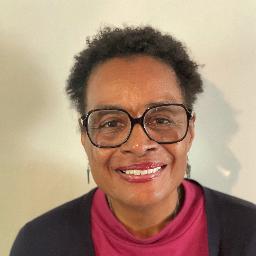





Francis Ndinya
LCMHC
North Carolina - 6 yrs exp












How immigration issues therapy works for North Carolina residents
If you are managing the emotional impact of migration, asylum processes, family separation, or the stress of adapting to a new culture, immigration issues therapy is designed to help you build coping skills and process those experiences. In North Carolina, therapists who specialize in immigration work combine trauma-informed approaches with culturally responsive care to address the specific pressures that accompany moving between countries, facing legal uncertainty, or navigating systems in a new place. Therapy often begins with an intake conversation about your current concerns, history, language preferences, and immediate needs. From there, the therapist and you will develop a plan that might include short-term coping strategies, longer-term work on trauma and identity, and referrals to community resources such as legal clinics, social services, or support groups when appropriate.
Finding specialized help for immigration issues in North Carolina
Searching for a clinician who understands immigration-related concerns means looking for more than a license. You will want to consider a therapist's experience with immigration topics, their cultural and linguistic competence, and how comfortable you feel with their approach. Many therapists in North Carolina list experience working with immigrants, refugees, and families affected by migration, and some have additional training in trauma-focused methods or cross-cultural counseling. In larger cities like Charlotte, Raleigh, and Durham you may find clinicians who offer services in multiple languages or who have specific experience with asylum-related trauma or family reunification challenges. In smaller towns and rural areas of the state, teletherapy options can connect you with specialists who are not locally available. When you read profiles, look for information about language abilities, training in trauma or cultural humility, and any community partnerships that may help you access practical services beyond therapy.
What to expect from online therapy for immigration issues
Online therapy can be especially helpful if you live outside major metropolitan areas or if transportation, work schedules, or caregiving responsibilities limit your ability to attend in-person sessions. For many North Carolina residents, teletherapy opens access to clinicians who are experienced with immigration-related concerns but practice in different cities. Before your first online session, you will typically receive information about how to log in, what technology works best, and how the therapist manages appointment times and payments. You should plan to be in a quiet, private space during your session so you can speak openly. A good therapist will explain how they handle records, what to do in case of an emergency, and how they coordinate with other professionals if you need legal or social service referrals. Many clinicians are able to offer a mix of in-person and online sessions, allowing you to choose what fits your needs in Charlotte, Raleigh, Durham, or beyond.
Preparing for online work
Consider what topics you most want to address and whether you need a therapist who speaks your first language or who understands specific cultural practices. Have documents or notes handy if there are practical details that will help your therapist understand your situation. It is also helpful to ask about session length, frequency, cancellations, and ways to handle urgent concerns between sessions. While therapy does not provide legal advice, therapists can often help you manage stress related to legal processes and connect you with trusted legal resources in North Carolina when appropriate.
Common signs you might benefit from immigration issues therapy
You might consider seeking a therapist if you notice ongoing difficulty sleeping, intrusive memories of traumatic events, or persistent anxiety related to travel, interviews, or legal proceedings. Emotional responses such as sudden anger, withdrawal from family members, or a sense of numbness can also indicate that professional support would be helpful. People often seek help when they experience trouble concentrating at work or school, repeated conflicts within families due to differing expectations about adaptation, or overwhelming worry about a loved one who is far away. Loneliness and social isolation are common, especially when language or cultural barriers limit your ability to form new social networks. If you find that everyday tasks feel harder since migrating or since a legal development, a therapist can help you regain routines, develop coping strategies, and identify community supports in North Carolina that reduce daily strain.
Tips for choosing the right therapist for immigration-related concerns in North Carolina
Start by clarifying what matters most to you in therapy. You might prioritize a therapist who speaks your language, who shares a similar cultural background, or who has specific training in trauma or grief related to migration. Many clinicians list areas of specialization and professional credentials, so review profiles for terms like cross-cultural training, experience with refugees, or work with immigrant families. It is reasonable to reach out and ask about their approach to immigration issues, whether they have experience collaborating with immigration attorneys or community organizations, and how they support clients during times of legal uncertainty. Consider accessibility factors such as session hours, sliding scale options, insurance acceptance, and whether the therapist offers in-person sessions in cities like Charlotte or Raleigh or teletherapy for residents outside urban centers.
Practical considerations
When you contact a potential therapist, ask about language options, typical wait times for an intake, and whether they have experience with youth, older adults, or family systems if that is relevant to your needs. If you are seeking support for trauma, ask about modalities the therapist uses and how they adapt those methods for immigration-related experiences. It is also fine to schedule an initial consultation to assess rapport - feeling understood and respected is a key part of effective therapy. If cost is a concern, ask whether the clinician offers a sliding scale or can recommend community clinics and nonprofit programs in North Carolina that provide low-cost services.
Connecting therapy to community resources in North Carolina
Therapists who specialize in immigration issues often work in partnership with local legal aid organizations, cultural centers, and immigrant advocacy groups. In larger metropolitan areas such as Charlotte, Raleigh, and Durham, you may find established networks that help coordinate mental health care with legal support, housing assistance, and language services. Your therapist can help you identify trustworthy referrals and explain how to access resources in your city or county. If you live in a rural part of the state, your clinician can still help by connecting you to statewide resources and by using telehealth to keep you linked to supports that are geographically distant.
Next steps
If you are ready to look for a therapist, use the listings on this page to filter by language, treatment approach, and availability. Prepare a short list of questions to ask during an initial contact and trust your sense of fit - effective therapy depends on feeling heard and respected. Whether you live in a busy neighborhood in Charlotte, a college town near Raleigh or Durham, or a smaller community elsewhere in North Carolina, specialized mental health support can help you manage the emotional dimensions of immigration and build a path forward.