Find a Life Purpose Therapist in North Carolina
This page features Life Purpose therapists serving North Carolina, with listings that include local and online options. Browse the profiles below to compare approaches, credentials, and availability that fit your needs.




Jill Wheeler
LCMHC
North Carolina - 12 yrs exp








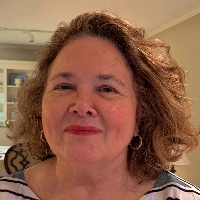


Tanya Richmond
LCSW
North Carolina - 26 yrs exp









How life purpose therapy can help you in North Carolina
Life purpose therapy focuses on helping you explore meaning, values, and long-term direction rather than treating a specific diagnostic label. In North Carolina this work often blends reflective conversation with practical planning. Whether you live near Charlotte, Raleigh, Durham, or in a smaller town, you can expect to work with a clinician who helps you name what matters, identify barriers you may not have noticed, and create steps to align daily life with your deeper aims.
The process is gradual and collaborative. Your therapist will listen to your story, ask questions that invite deeper reflection, and introduce frameworks or exercises that clarify priorities. That might include exploring past influences that shaped your goals, examining patterns that pull you away from what you want, and practicing small changes that build momentum. The aim is not to prescribe a single life script but to help you arrive at choices that feel authentic and manageable in your current circumstances.
Finding specialized life purpose help across North Carolina
When you look for a specialist in life purpose work, you are seeking someone who emphasizes existential meaning, values-driven decision making, and goal-focused planning. Therapists with experience in career transitions, midlife reflection, or existential issues often include life purpose in their offerings. In urban centers like Charlotte and Raleigh you will find a broader range of specialties and therapy models, while smaller communities may offer clinicians with broad generalist training who bring life purpose work into a variety of presenting concerns.
Consider what model of support suits you. Some therapists integrate narrative practices that help you reframe your life story. Others use a strengths-based approach that identifies capabilities you already possess. There are clinicians with training in vocational counseling and coaches who work closely with therapy-minded goals - when you review profiles, look for descriptions that explicitly mention meaning, direction, or life transitions. You can also note whether a therapist lists experience with specific populations such as students, career changers, or retirees, which may influence how well they understand your stage of life.
Local context matters
Where you live in North Carolina can influence practical factors in your work. If you are in Asheville you may want a therapist who understands the local culture and community resources. If you live in the Research Triangle - Raleigh and Durham - there are many clinicians who work with academic and professional transitions. In Charlotte and Greensboro you may encounter therapists who specialize in leadership, career development, and balancing family responsibilities. Thinking about the local rhythms of your life helps you choose a clinician who understands the context for your goals.
What to expect from online life purpose therapy
Online therapy expands access across North Carolina, giving you more options when commuting or finding a local specialist is difficult. In a virtual session you can have the same kinds of depth-oriented conversations you would in person - reflection, values clarification, and action planning - while maintaining the convenience of meeting from home or another comfortable environment. Many therapists adapt their exercises for the online setting, sharing worksheets, using screen tools for visualization, and assigning practical activities you can do between sessions.
If you choose online work, pay attention to scheduling flexibility and whether the therapist offers telephone, video, or text-based check-ins between sessions. Some people appreciate the ability to meet in the evening after work or to fit therapy into a lunch break. Others prefer the structure of regular daytime appointments. Consider your own preferences for privacy and the environment you need to speak freely so you can participate fully in the exploration of meaning and purpose.
Common signs that life purpose therapy might help you
You might consider this type of therapy when you find yourself asking big questions about what comes next or when familiar goals no longer feel satisfying. You may notice a lingering sense of aimlessness even when surface needs are met, or a repetitive cycle of making choices that ultimately do not align with your values. Life changes such as a career shift, becoming a parent, retirement planning, or a major loss can also trigger existential questions and make this work timely.
Other indications include persistent dissatisfaction despite external success, difficulty committing to long-term plans, or a sense that your life lacks coherence. You might also struggle with anxiety around making the ‘‘right" choice, or feel uncertain about how to translate an inner sense of purpose into daily routines. If you find yourself comparing your path with others in social or professional settings and feeling disconnected, life purpose therapy can provide a space for you to clarify what matters to you rather than what seems expected.
Tips for choosing the right life purpose therapist in North Carolina
Start by reading therapist profiles to see how each clinician describes their approach to meaning and purpose. Look for language about values, life transitions, existential reflection, or goal-oriented work. Pay attention to education and licensure, and note any mention of training in relevant techniques such as narrative therapy, acceptance-based approaches, or vocational counseling. A therapist who describes a clear process for exploring purpose will help you understand what a course of work might look like.
Consider practicalities such as location and availability. If you prefer in-person meetings, search for clinicians near your city - for example Charlotte, Raleigh, and Durham each host a broad pool of practitioners with varied specialties. If online work fits your life better, check whether a therapist is licensed to work with clients in North Carolina and whether their schedule aligns with yours. You can also contact a therapist to ask about their experience with clients facing similar transitions or questions, and to get a sense of whether their communication style feels like a fit.
Trust your initial reactions. Many people find the first session useful for assessing rapport and clarity of focus. A good fit does not mean a therapist will always agree with you - rather, you should feel heard and guided in a way that helps you move forward. If a therapist offers a clear explanation of their approach and suggests practical steps you can try between sessions, that is often a sign they are oriented toward outcomes as well as insight.
Next steps and local considerations
Once you identify a few therapists whose profiles resonate, reach out to ask about availability and approach. You may want to inquire about typical session frequency, how they structure goals and projects, and whether they provide resources such as readings or exercises. If you live near a major city, explore whether there are community workshops, retreats, or group options that focus on meaning and life direction - those can sometimes complement one-on-one work.
Whether you are exploring life purpose for the first time or returning to these questions later in life, North Carolina offers a range of clinicians who blend reflective inquiry with practical planning. Taking the first step to connect with a therapist can clarify options and help you begin shaping a life that reflects what you value most. Use the listings above to compare profiles and reach out to a therapist who matches your needs and schedule.