Find a Therapist of Color Therapist in North Carolina
This page lists Therapist of Color clinicians working with clients across North Carolina. You can browse profiles below to compare specialties, languages, and locations in cities like Charlotte, Raleigh, and Durham.
Use the listings to find a clinician who aligns with your needs and contact them directly to learn more about availability and approach.

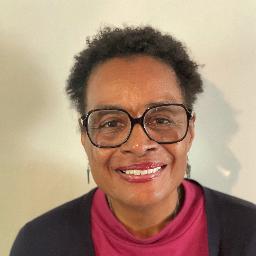
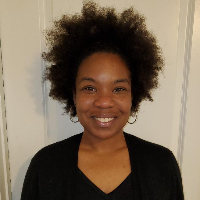
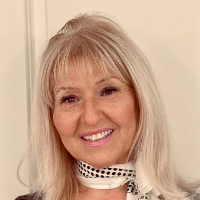
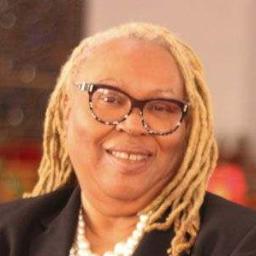
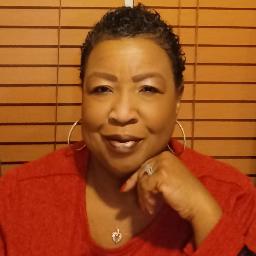
LaShica Hemingway
LCMHC
North Carolina - 12 yrs exp


















How Therapist of Color therapy works for North Carolina residents
Therapist of Color therapy focuses on mental health care that is informed by racial, ethnic, and cultural experience. In North Carolina, that means practitioners bring awareness of regional histories, community dynamics, and the unique stressors that affect people of diverse backgrounds across urban centers and rural counties. When you work with a Therapist of Color, the conversation often includes topics that relate to identity, belonging, discrimination, and intergenerational experience as part of an overall therapeutic plan. That perspective helps ensure the strategies you use in sessions fit your lived reality and cultural values.
Therapists who specialize in this work combine clinical training with cultural humility. They draw on common therapeutic approaches - such as cognitive-behavioral techniques, relational methods, trauma-informed care, and strength-based models - while adapting language, pacing, and goals to match your cultural framework. The result is care that is attentive to how race and culture shape emotions, relationships, work life, and family expectations in North Carolina communities.
Finding specialized help for Therapist of Color needs in North Carolina
Begin by identifying the practical and cultural criteria that matter most to you. You may prioritize a therapist who shares a similar cultural background, who speaks a specific language, or who has experience with certain life stages or issues - for example parenting in a multiracial family, navigating workplace bias, or managing the stress of being a first-generation college student. Search tools and listings can help you filter by location, modality, languages spoken, and areas of expertise, letting you narrow options in cities like Charlotte, Raleigh and Durham or in smaller communities across the state.
Licensure and experience are important considerations. Therapists in North Carolina hold state licensure and may list additional certifications or training in culturally specific approaches. You can review profiles to learn about a clinician's education, specialties, and the populations they typically serve. If you rely on insurance, checking a provider's participation in your plan or asking about sliding scale options can make care more accessible. Many therapists also offer brief introductory calls so you can get a sense of fit before committing to sessions.
Local context matters
North Carolina's mix of urban and rural settings influences access and needs. Urban areas like Charlotte and Raleigh often have a wider range of specialists and more options for evening or weekend appointments. In smaller towns, you may find clinicians with deep ties to local communities and a nuanced understanding of regional cultural norms. Transportation, commute times, and office location matter more when you prefer in-person visits, so consider whether you want a clinician near your neighborhood, workplace, or a transit route.
What to expect from online therapy for Therapist of Color care
Online therapy has expanded access to culturally competent care across North Carolina. When you choose virtual sessions, you gain flexibility in scheduling and the ability to connect with clinicians who may not practice in your immediate area. That can be especially helpful if you live outside major cities or are seeking a therapist with a particular cultural background or language skillset.
Expect your first online session to include an intake conversation about goals, background, and practical details like session length and fees. Therapists will typically ask about your cultural identity, family dynamics, and any community-specific stressors you are experiencing so they can tailor interventions. Sessions often use video for the closest approximation to in-person interaction, though some therapists offer phone or messaging options depending on professional guidelines and your preferences. You should also discuss what creates a comfortable environment for you during virtual therapy - whether that means finding a quiet room at home, using headphones, or taking sessions during a lunch break.
Common signs you might benefit from Therapist of Color therapy
You may find Therapist of Color care helpful if you are dealing with ongoing stress related to racial or cultural identity, or if experiences of discrimination are affecting your mood, relationships, or performance at work or school. Other signs include recurring feelings of isolation when cultural values conflict with family expectations, difficulty talking about race-related experiences with friends or partners, or a sense that mainstream mental health services have not addressed identity-related concerns.
People often seek this specialty when navigating life transitions that intersect with culture - moving between regions, parenting across cultures, or balancing professional expectations with family obligations. If you notice chronic anxiety, difficulty sleeping, persistent sadness that interferes with daily functioning, or strained relationships that feel tied to cultural differences, a Therapist of Color may help you explore those connections and develop coping strategies grounded in your experience.
Tips for choosing the right Therapist of Color in North Carolina
Start by clarifying what you need from therapy - practical symptom relief, identity exploration, support during a life change, or guidance on family or community dynamics. Use that clarity to read profiles with intention. Look for clinicians who list relevant experience, mention working with particular cultural groups, or describe a therapeutic approach that resonates with you. If language access matters, identify therapists who offer services in the language you prefer.
Set up brief introductory conversations when possible. These initial contacts give you a chance to ask about approach, experience with race- and culture-related issues, availability, and fees. It is appropriate to ask how a therapist integrates cultural identity into goals and interventions, and whether they have experience working with people from similar backgrounds. Pay attention to how they respond - a practice of listening and curiosity is a good sign. Practical questions about session frequency, cancellation policies, and whether they provide documentation for insurance will help you plan.
Consider modality and location. If you live in Charlotte, Raleigh, or Durham, you may find many in-person options and the opportunity to meet someone locally. If you live farther away or need more flexible hours, online therapy may expand your options. Think about comfort with virtual platforms, your need for evening or weekend sessions, and whether an in-person setting - such as an office near public transit or a campus - matters to you.
Trust your sense of fit
Therapy is a relationship, and the right fit matters. Give the process a few sessions unless something feels clearly off. If you do not feel heard, or if the therapist’s way of talking about culture does not align with your experience, it is reasonable to try a different clinician. Many people try more than one therapist before they find the right partnership, and that is a normal part of finding effective care.
Next steps
When you are ready, use the listings on this page to filter by location, specialty, and availability. Reach out to clinicians to ask about their approach to cultural identity, scheduling, and fees. Whether you live in a large city or a smaller community in North Carolina, there are options to help you find a therapist who understands the cultural context of your life and who can support you in practical, culturally informed ways.
Take your time reviewing profiles and trust your instincts - finding the right Therapist of Color can be an important step toward clearer thinking, stronger relationships, and a greater sense of well-being in your everyday life.