Find a Dissociation Therapist in Ohio
This page lists therapists in Ohio who specialize in dissociation and related concerns. Use the directory below to compare clinician profiles, specialties, and approaches. Browse the listings to find a therapist who fits your needs and location.








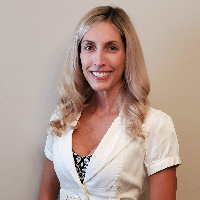
Ashleigh Beechy
LCPC, LIMHP
Ohio - 19 yrs exp














Understanding how dissociation therapy works for Ohio residents
If you are exploring therapy for dissociation in Ohio, it helps to know that treatment often moves at your pace and focuses on building stability, awareness, and coping skills. Therapy is not one-size-fits-all. Many clinicians combine assessment, education about dissociation, and gradual skill-building so you can better manage periods of disconnection, memory gaps, or feelings of unreality. Your therapist will typically begin with an intake that reviews your history, current symptoms, safety concerns, and goals for treatment, and then work collaboratively to select approaches that feel appropriate for you.
Ohio clinicians often draw on evidence-informed methods tailored to dissociation, such as trauma-informed therapy models, stabilization techniques, and therapies that emphasize integration of fragmented experiences. In a practical sense, this means initial sessions may focus on pacing, grounding strategies, and creating a plan for moments when symptoms intensify. Over time, many people work toward processing distressing experiences in ways that reduce the frequency and intensity of dissociative episodes while increasing overall functioning and wellbeing.
Finding specialized help for dissociation in Ohio
When searching for a therapist in Ohio, you will want to consider training and experience specific to dissociation and complex trauma. Look for clinicians who mention trauma-informed practice, dissociation, or related approaches in their profiles. Many specialists are based in larger metropolitan areas like Columbus, Cleveland, and Cincinnati, but you may also find experienced clinicians in mid-sized cities such as Toledo and Akron or offering statewide telehealth services. If you live in a rural area, online options can expand your choices and help you connect with clinicians who have focused experience.
Licensing matters because a therapist licensed in Ohio is the appropriate provider for residents seeking ongoing care in the state. You can also consider whether clinicians have advanced training in particular modalities used for dissociation. Reading therapist biographies, noting experience with trauma and dissociation, and reviewing stated therapy approaches will help you narrow your options. Many providers also indicate the populations they serve - for example adults, adolescents, or family systems - which can help you find a match for your needs.
What to expect from online therapy for dissociation
Online therapy can be a practical option if travel, time constraints, or local provider availability are barriers. When you engage in telehealth with an Ohio-licensed therapist, sessions typically follow the same therapeutic structure as in-person care - assessment, collaborative treatment planning, skills practice, and periodic review of progress. You can expect to learn and practice grounding techniques, emotion regulation strategies, and ways to track dissociative experiences in between sessions.
There are differences to consider. Some techniques that rely on hands-on guidance or in-person presence may be adapted for video sessions, and your therapist will discuss which interventions are best delivered remotely. You may find scheduling more flexible with online options, and you can access clinicians outside your immediate city - for example, someone based in Columbus might work with you even if you live near Cleveland. It is important to confirm practical details up front including session length, communication policies, and how your therapist handles urgent situations. If you ever feel at immediate risk, you should contact local emergency services or crisis lines in your area.
Common signs that someone in Ohio might benefit from dissociation therapy
People seek help for dissociation for many reasons, and the signs can vary in intensity and frequency. You might benefit from dissociation-focused therapy if you notice recurrent episodes of feeling detached from your body or surroundings, gaps in memory for events or time periods, or a sense that your thoughts and emotions are disconnected. Some people describe feeling as if they are watching life from outside their body, or like the world is unreal. Others experience sudden shifts in mood, difficulty staying present in relationships or work, or trouble recalling important personal information.
If these experiences interfere with daily functioning, relationships, work, or school, it is reasonable to seek an evaluation. Dissociative experiences can also be triggered or worsened by stress, reminders of past trauma, or substance use, and a qualified clinician can help you clarify what is happening, teach skills to manage symptoms, and develop a safe path forward. Seeking support early can help you build strategies that reduce disruption and improve quality of life.
Tips for choosing the right dissociation therapist in Ohio
Choosing a therapist is an important step that combines practical considerations with how comfortable you feel with a clinician. Start by reviewing therapist profiles to identify those who explicitly list dissociation, trauma, or related expertise. Pay attention to stated methods and whether they mention stabilization, integration work, or trauma-focused therapies. Consider logistics such as location - in-person options may be available in Columbus, Cleveland, Cincinnati and other cities - or whether the therapist offers telehealth statewide.
When you contact a clinician, it is appropriate to ask about their experience working with dissociation and what a typical course of therapy looks like. You can ask how they tailor pacing to your needs, what types of skills they teach early in treatment, and how they coordinate care if you see other health providers. Inquire about payment options, insurance participation, and any sliding-fee arrangements if cost is a concern. Trust your sense of rapport - feeling heard and respected in the first few conversations is often a good sign that you will be able to work well together.
Practical steps to make a match
Make a short list of potential therapists and schedule brief consultations when possible. Use those conversations to gauge whether the clinician listens, validates your experience, and offers clear answers about their approach. If you are seeking specialized services, such as work with complex dissociation or co-occurring conditions, prioritize providers who highlight relevant expertise. Living in Ohio gives you the advantage of access to clinicians in several urban centers, but online care can broaden your options if your ideal match is not nearby.
What to do if you need immediate help
If you are experiencing intense distress or believe you may be at risk of harming yourself or others, contact local emergency services or a crisis line right away. Therapists can help with safety planning during regular sessions, but immediate danger requires urgent attention. If you are working with a clinician, make sure you understand how they advise handling crises between sessions and what local resources they recommend in your area.
Moving forward with care in Ohio
Finding the right therapist for dissociation often takes time and patience, but taking the first step to explore clinicians in your area can make a meaningful difference. Whether you choose an in-person clinician in Columbus, Cleveland, or Cincinnati, or a therapist who works with Ohio residents online, focus on finding someone whose training, approach, and interpersonal style fit your needs. With an appropriate match you can learn tools to manage symptoms, increase stability, and work toward the goals you set with your therapist.
Use the directory above to compare profiles, review approaches, and reach out for initial consultations. Each conversation will give you more information to decide who can best support your journey toward greater presence and wellbeing.