Find a Polyamory Therapist in Ohio
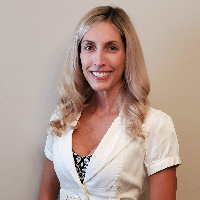
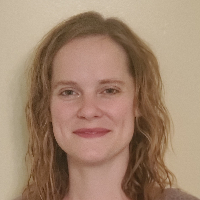
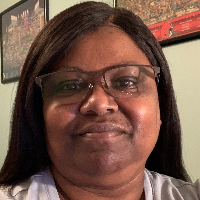
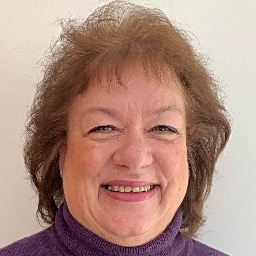
This page lists therapists who specialize in polyamory-related therapy and practice with clients in Ohio. Visitors will find profiles showing approach, areas of focus, and availability to help connect with the right clinician. Browse the listings below to explore practitioners who work with polyamorous relationships and non-monogamy across the state.




















How polyamory therapy works for Ohio residents
Polyamory therapy focuses on the relationships and communication patterns that matter most to you, whether you are seeking one-on-one support, couples therapy, or guidance for a polycule. In Ohio, therapists who work with non-monogamous clients often integrate relationship-focused skills training, exploration of agreements and boundaries, and strategies for managing emotions like jealousy and insecurity. Sessions may involve mapping relationship structures, clarifying expectations, and building tools to negotiate change in a way that reflects your values. Your therapist will typically work with you to set goals that reflect your circumstances - some people want help restoring trust after a rupture, others want to improve ongoing communication, and some seek support around coming out as polyamorous to family or community.
Formats you may encounter
Therapy for polyamory in Ohio is available in several formats. Some practitioners offer individual sessions that focus on your personal patterns, attachment history, and coping skills. Others provide couple or relationship therapy that centers on communication and agreement-making between partners. There are also clinicians who work with multiple partners at once when members of a polycule can attend together. You may find short-term, skills-based approaches alongside longer-term therapy focused on deeper relational patterns. In all formats, therapists aim to create a respectful environment where diverse relationship choices are treated without judgement.
Finding specialized help for polyamory in Ohio
When you begin looking for a therapist who understands polyamory, consider starting with a profile search for clinicians who explicitly list non-monogamy or relationship diversity as an area of expertise. Many therapists in Ohio mention experience with polyamory, open relationships, ethical non-monogamy, or consensual non-monogamy on their profiles. You can narrow your search by location if you prefer in-person meetings in cities like Columbus, Cleveland, or Cincinnati, or by availability for online sessions if travel or scheduling is a concern. Professional credentials, years of experience, and stated therapeutic approaches can help you decide which clinicians to contact for an initial consultation.
Local considerations
Ohio has a variety of urban, suburban, and rural communities, and cultural norms can vary between places like Columbus and smaller towns. In larger metropolitan areas such as Cleveland and Cincinnati you may find more clinicians with specific training in polyamory and LGBTQ+ affirmative practice, while options in smaller communities may be more limited. If local in-person options are scarce where you live, many therapists offer remote sessions to reach clients across the state. When you search, consider whether you want someone familiar with the particular social or cultural context of your city, or whether clinical expertise and an affirming stance are the most important factors for you.
What to expect from online therapy for polyamory
Online therapy can be especially useful when you need a clinician who understands non-monogamous relationships but lives outside your immediate area. You should expect sessions to follow a similar therapeutic structure to in-person work - assessment, goal setting, and regular check-ins - adapted to a virtual format. Your therapist will discuss logistics such as session length, platform technology, and how to handle interruptions, especially if multiple partners will join from different locations. Many clients find that remote work makes scheduling multi-partner meetings easier and allows them to access specialists who are geographically distant. Be sure to inquire about how the therapist manages session privacy and recordkeeping so you understand how your information is handled.
Technical and practical tips
Before an online session, choose a quiet, comfortable environment where you can speak freely and without interruption. Test your audio and video in advance and confirm any expectations about personal nature of sessions and emergency procedures with your therapist. If you plan to include partners, agree on a plan for who will connect, whether everyone will have the same role in the session, and how conversation time will be shared. Clarifying these logistics ahead of time helps the therapist facilitate a productive meeting and reduces the risk of misunderstandings during the session.
Common signs that someone in Ohio might benefit from polyamory therapy
You might consider seeking polyamory therapy if you find recurring arguments about boundaries or agreements, if jealousy or comparisons are getting in the way of intimacy, or if a recent relationship change has left you feeling overwhelmed. Therapy can help when partners disagree about time management, parenting responsibilities, or how to introduce new partners to family and friends. You may also benefit from therapy if you are navigating a transition - for example, moving from monogamy to consensual non-monogamy, ending a relationship within a polycule, or coping with stigma from work or community. Even when the issues feel interpersonal, therapy often helps by addressing underlying emotions and communication habits that affect all areas of life.
Emotional and practical challenges
Emotions like jealousy and envy are common, and therapy can help you understand their origins and develop strategies to respond differently. Practical challenges - such as coordinating schedules, managing household responsibilities, and negotiating healthcare or legal concerns - can also become sources of conflict. A therapist can offer tools for boundary setting, conflict resolution, and creating agreements that evolve over time. If you live in a more conservative area, therapy can also provide support as you evaluate how and when to disclose your relationship style to family, employers, or community members.
Tips for choosing the right therapist for polyamory in Ohio
When you are comparing clinicians, look for someone who explicitly states a nonjudgmental approach to relationship diversity and who has experience or training relevant to polyamory. It is reasonable to ask potential therapists about their experience with ethical non-monogamy, whether they have worked with multi-partner sessions, and how they approach topics like jealousy, boundary negotiation, and disclosure. You may want to learn about their therapeutic modalities - for example, whether they integrate systemic, attachment-focused, or emotion-focused techniques - and how they tailor interventions to relationship structures. Consider practical factors such as availability for evening or weekend sessions, fees, and whether they provide remote options that work with your schedule.
Questions to ask during an initial consultation
Before committing to ongoing sessions, you can use an initial consultation to get a sense of fit. Ask how the therapist typically begins work with polyamorous clients, whether they have experience facilitating sessions with multiple partners, and how they handle personal nature of sessions and recordkeeping. Discuss how they measure progress and how you will know when the work has met your goals. Trust your instincts about whether you feel heard and respected during that first conversation - a strong therapeutic relationship is a key predictor of helpful outcomes.
Moving forward in Ohio
Finding the right therapist for polyamory issues is a personal process that often combines clinical skill with cultural sensitivity and genuine curiosity about non-monogamous relationships. Whether you live in Columbus, Cleveland, Cincinnati, Toledo, Akron, or a smaller Ohio community, you can find practitioners who will help you build stronger communication, clearer agreements, and healthier emotional responses. Start by reviewing profiles, reach out for an initial conversation, and choose a clinician who aligns with your goals. With the right support, you can develop tools that make your relationships more sustainable and more aligned with your values.
Remember that therapy is a collaborative process. Expect to be an active participant in shaping the work, and allow some time to try new approaches and assess their fit for your relationships. If something does not feel helpful after a few sessions, it is appropriate to discuss adjustments with your therapist or seek a different clinician better suited to your needs. The goal is to find a practitioner who helps you navigate the complexities of polyamory with clarity, respect, and practical strategies that fit your life in Ohio.