Find a Prejudice and Discrimination Therapist in Ohio
This page highlights therapists across Ohio who focus on prejudice and discrimination-related concerns. You can explore provider profiles, service options, and in-person or online availability.
Browse the listings below to compare clinicians and find a therapist whose experience and approach fit your needs.








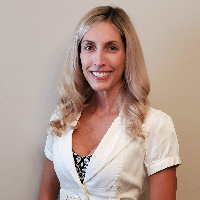
Ashleigh Beechy
LCPC, LIMHP
Ohio - 19 yrs exp












How prejudice and discrimination therapy works for Ohio residents
If you are thinking about counseling for experiences related to prejudice or discrimination, therapy typically begins with an initial assessment to understand what you have been through and what outcomes matter most to you. Therapists who specialize in this area combine trauma-informed care, identity-affirming approaches, and evidence-informed techniques to address the emotional, social, and practical effects that bias can create. In Ohio, you will find clinicians who work with individuals, couples, families, and groups, and who aim to help you process experiences, rebuild a sense of safety, and develop coping strategies for day-to-day life.
Therapy can address the immediate emotional impact of discriminatory incidents, and it can also support longer-term goals such as reclaiming a sense of belonging, navigating workplace or school dynamics, and strengthening relationships with others. Sessions often include space to tell your story, opportunities to learn skills for managing stress and anger, and collaborative planning to reduce triggers and avoid retraumatization. Clinicians may also help you explore systemic factors and community resources that can support healing and advocacy.
Finding specialized help for prejudice and discrimination in Ohio
When searching for a therapist in Ohio, look for clinicians who list cultural competence, anti-oppression work, or social justice-informed practice on their profiles. You may prioritize practitioners who have experience with specific identities or settings such as racial or ethnic discrimination, LGBTQ+ bias, religious or immigration-related prejudice, or workplace harassment. In urban centers like Columbus, Cleveland, and Cincinnati you are likely to find a wider variety of specialty practices and community-based programs, while smaller cities and suburbs may offer clinicians who provide broad expertise with a focus on local context.
Licensing titles differ - licensed professional counselors, clinical social workers, and psychologists commonly offer this care. When you review profiles, note information about training, languages spoken, and whether the therapist offers individual sessions, group support, or consultation for organizations. It is reasonable to ask a prospective clinician about their experience addressing discrimination-related distress and how they integrate cultural awareness into clinical work. Clear communication about approach and values can help you determine fit before you schedule an appointment.
What to expect from online therapy for prejudice and discrimination
Online therapy can make it easier to connect with someone who understands your background even if they are not physically located in your city. You can find Ohio-based therapists who offer video or phone sessions so you have access to clinicians with specific expertise regardless of whether you live in a large metropolitan area or a smaller community. Prior to starting, confirm practical details such as how appointments are conducted, session length, fees, and whether the clinician accepts your insurance or offers sliding scale options.
To get the most from online sessions, plan a comfortable environment where you can speak openly without interruptions. A private space that is free from distractions helps create a consistent therapeutic setting and supports deeper work. Online therapy often mirrors in-person care in structure - you will set goals, track progress, and carry out between-session practices. If you are dealing with acute safety concerns or need in-person services, your therapist can help connect you with local supports in Ohio, including crisis lines and community organizations.
Teletherapy considerations
Before beginning remote work, ask about the therapist's policies for emergencies, technology backup plans, and how they manage boundaries around text or email contact. You should also confirm that the clinician is licensed to practice in Ohio and that their practice model supports teletherapy for residents. Understanding these details ahead of time helps you feel more prepared and supports a stronger therapeutic relationship.
Common signs you might benefit from prejudice and discrimination therapy
People seek help for a range of reasons related to prejudice and discrimination. You might find yourself replaying distressing incidents, feeling increased anxiety when entering certain environments, or experiencing persistent anger or sadness tied to unfair treatment. Some people notice sleep disturbances, concentration problems at work or school, or an urge to withdraw from friends and activities. Others struggle with relationship strain because they feel others do not understand their experiences.
If you are experiencing heightened vigilance, avoiding places where discrimination has happened, or feeling overwhelmed by microaggressions, therapy can offer strategies to manage emotional reactions and reduce the ongoing toll of bias. You might also seek counseling to prepare for boundary-setting conversations at work, to cope with institutional barriers, or to process intergenerational trauma related to systemic discrimination. Therapy is a tool to help you build resilience and to clarify what kinds of change are realistic and meaningful for your life.
Tips for choosing the right therapist for this specialty in Ohio
Choosing a therapist is a personal process, and it is okay to take time to find someone who feels like a good fit. Begin by reading clinician profiles to learn about their areas of focus, theoretical orientation, and cultural competency. Pay attention to whether they have experience with the forms of prejudice or settings that match your concerns - for example, workplace discrimination, school-based bullying, or faith community exclusion. If language or cultural background is important, look for therapists who list those capacities or who are recommended by community organizations in cities such as Columbus or Cleveland.
When you contact a therapist, consider asking how they approach discrimination-related work, what their experience is with trauma-focused methods, and whether they offer flexible scheduling or sliding scale fees. You might also inquire about group options if you prefer peer-supported settings. Trust your instincts about comfort and rapport - an initial consultation is a chance to assess whether the clinician's style aligns with your preferences. If it does not, it is reasonable to try another provider until you find the right match.
Practical access tips
If insurance matters to you, verify coverage and whether the clinician is in-network. If cost is a barrier, ask about reduced-fee slots or referrals to community clinics. In larger cities like Cincinnati there may be specialty clinics or nonprofit centers that focus on identity-based care, while rural and smaller communities often rely on teletherapy to connect with specialized clinicians. Local universities and community organizations can sometimes offer referrals or low-cost training clinics staffed by supervised clinicians.
Minding ongoing needs and next steps
Therapy for prejudice and discrimination can be short-term or long-term depending on your goals. You may start with a focus on symptom relief and coping skills and later shift toward advocacy, community engagement, or identity integration. As you progress, revisit goals with your therapist to ensure the work remains relevant and to address any new challenges that arise. If you are seeking additional supports, therapists often coordinate with legal advocates, community groups, or medical providers when needed.
Finding the right therapist in Ohio is about matching expertise with accessibility and personal fit. Whether you live in Columbus, Cleveland, Cincinnati, or elsewhere in the state, take the time to compare profiles, ask questions, and choose a clinician who respects your experience and supports the outcomes you want to achieve. The listings below are a starting point to help you connect with professionals who specialize in this important area of mental health care.