Find an Aging and Geriatric Issues Therapist in Oklahoma
This page highlights therapists in Oklahoma who specialize in aging and geriatric issues, serving communities from Oklahoma City to Tulsa and beyond. Use the listings below to compare clinicians, areas of focus, and appointment options to find a good fit. Browse profiles to learn more and reach out to therapists who meet your needs.
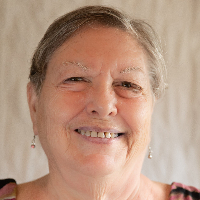


Nancy Lucas
LPC
Oklahoma - 10 yrs exp







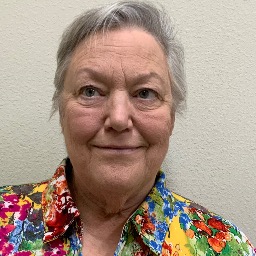



Heather Robinson
LPC
Oklahoma - 25 yrs exp









How aging and geriatric issues therapy works for Oklahoma residents
If you or a loved one are exploring therapy related to aging, you should know that providers in Oklahoma use a range of evidence-informed approaches tailored to later-life concerns. Therapy often begins with an assessment conversation that looks at emotional health, physical changes, social supports, and daily functioning. From there a therapist will work with you to set goals that might include improving mood, managing adjustment to health changes, coping with grief or role transitions, strengthening family communication, or planning for future care decisions.
Therapists who specialize in aging combine knowledge of adult development with practical strategies to support independence and quality of life. They draw on interventions such as problem-solving therapy, cognitive-behavioral techniques adapted for older adults, life review and reminiscence work, and family-focused counseling when caregiving dynamics are involved. These approaches are adjusted based on cognitive capacity, mobility, sensory needs, and cultural background so that therapy fits the realities of daily life in Oklahoma.
Finding specialized help for aging and geriatric issues in Oklahoma
When searching for specialized help you can look for clinicians who identify gerontology, gero-psychology, or aging issues as a focus of practice. Many therapists list experience working with late-life depression, caregiving stress, dementia-related changes, end-of-life concerns, and transitions such as retirement or relocation. In urban areas like Oklahoma City and Tulsa you may find larger clinics and group practices with interdisciplinary teams that include social workers, psychologists, and counselors. In smaller communities or suburbs near Norman, you might connect with therapists who offer a more individualized approach and strong ties to local medical and community services.
It can help to prioritize clinicians who have experience coordinating with physicians, home health providers, or community agencies. That coordination is often practical - arranging referrals for in-home supports or connecting you with elder services rather than making medical judgments. If mobility is a concern, ask whether a therapist provides wheelchair-accessible offices or whether they can meet in community locations that are familiar and comfortable for you or your family member.
What to expect from online therapy for aging and geriatric issues
Online therapy in Oklahoma can expand access to specialists who might not be nearby, especially if you live outside the metropolitan centers. When you choose remote sessions, expect an initial intake to cover technology needs, privacy preferences, and any accommodations required for hearing or vision differences. Therapists often recommend a quiet, well-lit spot with minimal interruptions for video sessions; if technology is a barrier, many clinicians offer telephone sessions or help troubleshoot simple setups.
Online therapy can be especially useful for routine check-ins, family meetings when relatives live in different parts of the state, and skills-based work such as anxiety management or behavioral planning. If cognitive impairment or significant sensory loss is present, therapists will discuss whether in-person meetings or hybrid models are a better fit. In Oklahoma City, Tulsa, and other cities you will find providers offering both in-person and online options so you can match the format to your comfort level and mobility needs.
Common signs that someone in Oklahoma might benefit from aging and geriatric issues therapy
You might consider therapy if you notice persistent low mood, withdrawal from activities you once enjoyed, or increasing worry that affects sleep and daily routines. Changes in memory and thinking can be distressing even when they are part of normal aging, and a therapist can help you interpret what is happening while connecting you with medical evaluation when appropriate. Caregivers frequently seek support when they feel overwhelmed, resentful, or uncertain about boundaries and planning. Therapy can provide coping strategies and communication tools that reduce stress for both the caregiver and the older person.
Other signs include difficulty managing new medical diagnoses, trouble adapting after the loss of a spouse or close friend, and challenges with role changes like moving to assisted living. If you notice a shift in hygiene, nutrition, or interest in social contact, these may be signals that additional support is needed. In many cases early engagement with a therapist helps preserve independence and improves overall wellbeing.
Tips for choosing the right therapist for this specialty in Oklahoma
Start by clarifying your priorities - whether you want help with mood, caregiver support, memory-related changes, or planning for long-term care. Look for clinicians who explicitly list aging or geriatric issues in their profiles and note relevant training, such as courses in gerontology, experience with dementia-capable care, or familiarity with common medical and social services in Oklahoma. Pay attention to whether a therapist has experience working with family systems, because many aging-related concerns involve multiple people and practical coordination.
Location and accessibility matter. If travel is difficult, focus on therapists who offer online sessions or who are willing to meet in community settings that are easy to reach. If you live in or near Oklahoma City, Tulsa, or Norman you may have access to specialized clinics; if you are outside those areas, consider therapists who provide telehealth and who understand local resources across the state. Ask about appointment length, frequency, cancellation policies, and whether they can communicate with other professionals involved in care if you want that type of collaboration.
During an initial appointment you should feel comfortable asking about the therapist's experience with aging populations, their approach to therapy, and how they handle situations that may require coordination with doctors or social services. It is reasonable to ask how they adapt techniques for hearing or memory differences and whether they involve caregivers in sessions. Trust your sense of fit - therapy is a collaborative process and good rapport often predicts better outcomes.
Practical considerations and next steps
Cost, insurance, and scheduling are practical details to verify early on. Some therapists in Oklahoma accept major insurance plans, while others provide sliding-scale fees or direct-pay options. If you have Medicare or supplemental coverage, check whether the clinician's license and billing practices align with your plan. In many cases therapists can help you navigate local aging services, veteran resources, or community programs that offset costs for assessments and supports.
Once you identify a few promising profiles, reach out to schedule a brief intake or consultation. Many therapists offer a short phone call to answer questions before you commit to a full session. That call gives you a chance to describe your concerns, ask about experience with similar situations, and confirm practical details like hours, accessibility, and whether they work with family members. Taking that step helps you move from searching to active support so you can address aging-related concerns with a professional partner.
Finding care across Oklahoma
Whether you are in a larger center like Oklahoma City or Tulsa, in the college town of Norman, or elsewhere in the state, there are clinicians who focus on aging and geriatric issues. Use the listings above to compare specialties, read profiles, and contact therapists to learn more. With the right match you can get help navigating transitions, improving daily functioning, and strengthening relationships during the later stages of life.