Find a Codependency Therapist in Oklahoma
This page highlights therapists in Oklahoma who focus on codependency and relational patterns that affect your well-being. You can review clinician profiles, therapeutic approaches, and location options to find a good fit. Browse the listings below to compare therapists and request an appointment.









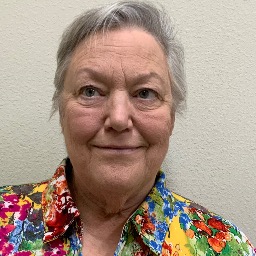





Heather Robinson
LPC
Oklahoma - 25 yrs exp









How codependency therapy works for Oklahoma residents
When you pursue therapy for codependency in Oklahoma, the process usually begins with an assessment of the patterns that are causing you distress. A therapist will ask about your relationships, personal boundaries, family history, and coping strategies to understand how codependent dynamics have developed. Over a series of sessions you and your clinician will work to increase your awareness of these patterns, build healthier ways of relating to others, and practice skills that help you balance care for yourself with care for others. Therapy can be short-term and focused on skills, or it can extend into longer-term work depending on the complexity of your experiences and your goals.
Where you can access care across the state
Oklahoma's urban centers tend to offer a wider range of in-person options. In Oklahoma City and Tulsa you will often find therapists who specialize specifically in codependency, relationship counseling, and family systems. Smaller cities such as Norman and Broken Arrow usually have dedicated professionals who combine work on codependency with related areas like trauma-informed care, couples therapy, or substance-use recovery. If you live outside these population centers, telehealth options can make specialized help more reachable so you are not limited by geography.
Finding specialized help for codependency in Oklahoma
Look for therapists who describe experience with relationship patterns, boundary-setting, and the emotional dynamics that underlie codependent behavior. Many clinicians frame codependency within family systems, attachment theory, or trauma-responsive approaches. You can read therapist profiles to learn about training, years of experience, and the populations they serve. Consider whether you prefer a clinician who works with individuals, couples, or family units, since codependency often involves more than one person and addressing relational context can be an important part of change.
Local considerations and resources
Oklahoma has community mental health centers, university counseling programs, and nonprofit services that may offer referrals or sliding-fee options. If cost is a concern, ask about reduced-fee sessions or community clinics in your area. Local support groups and peer-led workshops can also complement individual therapy by giving you opportunities to practice new boundaries and receive feedback in a group setting. In cities like Oklahoma City and Tulsa you may find a wider range of group offerings, while in smaller towns clinicians might offer group work periodically or refer you to virtual groups.
What to expect from online therapy for codependency
Online therapy can be an effective way to work on codependency because it expands access to clinicians who specialize in this area, regardless of where they are licensed to practice in the state. You can expect sessions to follow a similar structure to in-person work - assessment, goal-setting, skill practice, and reflection - with adaptations for a remote format. Many people find it simpler to schedule appointments around work and family obligations when they do not need to travel. You should confirm that your chosen clinician is licensed to work in Oklahoma and discuss the platform and privacy measures they use before beginning.
Preparing for virtual sessions
To get the most from online therapy, choose a quiet, comfortable room with a stable internet connection. Have a notebook or digital document ready to record insights and homework between sessions. If you anticipate interruptions from family members or roommates, agree on a plan to reduce disruptions during your appointment time. Online therapy does not replace emergency services in a crisis, so talk with your therapist about how to handle urgent situations and what local resources are available in your city or county.
Common signs you might benefit from codependency therapy
You might consider seeking therapy if you find yourself consistently prioritizing others' needs at the expense of your own, struggling to say no, or feeling responsible for other people's emotions. If your relationships often leave you feeling drained, anxious about abandonment, or compelled to control outcomes to ease your own distress, these are indicators that codependent patterns may be influencing your choices. Other signs include difficulty maintaining boundaries, frequent caretaking that feels obligatory rather than chosen, and a pattern of staying in partnerships where your needs go unmet.
Recognizing patterns in everyday life
Pay attention to how you respond in conflict, how you define your role in relationships, and whether your mood depends heavily on another person's approval. You may notice that pleasing others becomes a strategy to avoid criticism or that your identity is tightly linked to being needed. Recognizing these patterns is an important first step because it allows you to bring curiosity rather than shame to the process of change. A therapist will help you explore these dynamics and practice new responses that honor both your needs and your relationships.
Tips for choosing the right therapist for codependency in Oklahoma
Begin by identifying what matters most to you - whether that is clinical approach, experience with relationships, or practical concerns like location and availability. Read clinician bios to understand their orientation and training. You may prefer therapists who mention family systems, attachment, or trauma-informed care as these frameworks often align well with work on codependency. It is also reasonable to ask potential clinicians about their experience helping people with similar concerns during an initial phone consultation.
Practical considerations and fit
Consider logistics such as session times, fees, and whether a clinician offers sliding-scale options or accepts your insurance. Think about the cultural and personal fit as well - you should feel that your therapist listens and respects your background and values. If in-person care is important, check for office locations in Oklahoma City, Tulsa, Norman, or Broken Arrow. If flexibility is a priority, look for clinicians who offer telehealth and coordinate care across the state.
Getting started and what progress can look like
Starting therapy can feel daunting, but early sessions are typically focused on understanding your situation and setting clear goals. Progress often comes in small, tangible changes - you might say no more comfortably, notice a shift in how you prioritize your needs, or experience less anxiety about other people's responses. Some people find that as they practice boundary-setting, their relationships become more honest and less draining. Your therapist will help you measure progress in ways that align with your values and daily life.
Whether you are near a busy metropolitan area or in a smaller community, resources for addressing codependency are available in Oklahoma. Taking the first step to explore therapist profiles and reach out for an initial consultation can help you find a practitioner who understands your story and supports your next steps. With the right fit and consistent effort, therapy can help you build healthier patterns and a stronger sense of self within your relationships.