Find a Foster Care Therapist in Oklahoma
This page highlights Foster Care therapists serving Oklahoma who work with children, teens, foster families, and resource parents. You will find clinician profiles covering specialties, approaches, and appointment options across the state. Browse the listings below to compare therapists, check availability, and reach out to those who fit your needs.









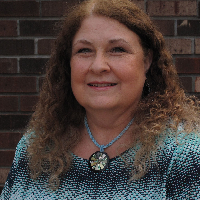
Heather Robinson
LPC
Oklahoma - 25 yrs exp














How foster care therapy works for Oklahoma residents
If you are involved in the foster care system in Oklahoma you may be navigating a network of caseworkers, courts, schools, and caregivers while also worrying about a child’s emotional needs. Foster care therapy is designed to provide focused support for children and adolescents who have experienced separation, loss, trauma, or frequent moves. In Oklahoma the process typically begins with a referral from a caseworker, caregiver, school, or pediatrician, but you can also contact a therapist directly to ask about intake and eligibility. Many therapists work with foster families, kinship caregivers, and court-appointed guardians, coordinating care with the child welfare agency when needed.
Payment and authorization pathways can vary. Some families access therapy through commercial insurance, SoonerCare, or grant-funded programs that serve foster youth. Therapists who partner with child welfare providers often have experience completing required documentation and communicating with case managers, while those in independent practice can advise you on authorization steps and reimbursement. Because each placement and legal arrangement is unique, it helps to bring any caseworker contact information, court orders, or insurance details to the first appointment so the clinician can provide clear guidance on next steps.
Finding specialized help for foster care in Oklahoma
When searching for a therapist, you may want someone who explicitly lists foster care, trauma, or attachment concerns among their specialties. Therapists who work with foster youth often have training in trauma-informed approaches, child-parent psychotherapy, attachment-based interventions, and behavioral strategies for school-age children. You can filter listings by experience working with foster families, availability for caregiver sessions, and whether the clinician accepts your insurance or works with SoonerCare. Urban centers such as Oklahoma City, Tulsa, and Norman frequently have more clinicians with foster care experience, while smaller communities may require telehealth or traveling providers to meet the need. If you live in a place like Broken Arrow, you might find both local clinicians and nearby services that travel or offer flexible hours to accommodate school and visitation schedules.
What to expect from online therapy for foster care
Online therapy is a common option in Oklahoma, especially when a child changes placements or the caregiver needs flexible scheduling. When you choose virtual sessions, expect an initial intake that discusses how technology will be used, consent and authorization from the legal guardian or caseworker, and agreements about who will be present during sessions. Early meetings usually focus on building rapport and learning the child’s history, routines, and stressors. Therapists often adapt play-based techniques, structured activities, and caregiver coaching to a virtual format so that the child remains engaged.
You should also ask about licensing and jurisdiction. Therapists licensed in Oklahoma can provide care when the child is physically located in the state. If you are considering a therapist who practices from another state, verify that they are authorized to work with someone in Oklahoma. Technology can make access much easier, but practical considerations - such as a reliable internet connection and a quiet area for sessions - matter for successful online work. Caregivers often coordinate with therapists to find a consistent setting for sessions that supports participation and reduces distractions.
Common signs someone in Oklahoma might benefit from foster care therapy
Children and adolescents in foster care may show a range of reactions after changes in placement, removals, or earlier adverse experiences. You might notice shifts in mood, intense reactions to separation, trouble sleeping, frequent nightmares, regression to earlier behaviors, or difficulties in school. Some youth present with anger, impulsivity, or withdrawal that affects friendships and family life. Caregivers often report that the child shows strong reactions around reminders of loss or changes in routine. If a child is having trouble forming trusting relationships, struggling to manage emotions, or experiencing behavioral challenges that interfere with daily life, therapy can offer structured support and new coping strategies.
It is also common for foster parents and kinship caregivers to want guidance on how to respond to behavior that feels overwhelming. Therapy can include caregiver coaching so you can learn ways to set predictable limits, help a child process grief, and support healing while acknowledging the unique legal and logistical aspects of foster care. If your child has frequent school disruptions, disciplinary concerns, or signs of anxiety and depression, engaging a clinician who understands foster systems can make coordination with schools and agencies smoother.
Tips for choosing the right therapist for foster care in Oklahoma
Start by thinking about practical factors such as location, scheduling, and payment options, and then move to clinical considerations. Ask potential therapists about their experience with foster children, the approaches they commonly use, and their comfort working with caseworkers and legal guardians. Therapists who are trauma-informed can describe how they balance safety, stabilization, and building trusting relationships with the child. You can request an initial consultation to see whether the clinician’s communication style feels like a fit for your family.
Consider whether you want sessions that include the child alone, caregiver coaching, family work, or coordination with school staff. Some therapists offer specialized services such as parenting supports for resource parents, behavior plans for school settings, or interventions tailored for teens navigating identity and belonging. If language access or cultural familiarity matters to you, look for clinicians who speak the family’s language or who have experience working with similar cultural backgrounds. In places like Oklahoma City and Tulsa there may be more variety in clinicians’ training and languages spoken, but many therapists statewide are available by telehealth to fill gaps.
Navigating referrals and consent
Because foster care involves multiple adults in a youth’s life, clarify who will provide consent for services and how information will be shared. A caseworker or legal guardian may need to sign releases or coordinate scheduling. You can ask the therapist how they document progress and whether they provide reports for case plans or courts. It is reasonable to request clarity about communication practices and how the therapist involves children and caregivers in setting goals.
Making the most of therapy over time
Therapeutic progress often takes time and consistent support. You can help by maintaining regular appointments when possible, sharing updates with the clinician about school or placement changes, and practicing strategies the therapist recommends between sessions. Caregivers play a central role in reinforcing new skills and creating predictable routines that help children feel safer and more regulated. If a placement change occurs, discuss transition planning with the therapist so supports can continue without interruption.
Next steps in Oklahoma
When you’re ready to search, use the listings above to find clinicians who list foster care among their specialties, who accept your insurance, and who offer the scheduling options you need. If you need assistance understanding coverage or authorization, reach out to a caseworker or the therapist’s office for guidance. Whether you live near a larger city like Oklahoma City, Tulsa, Norman, or in a smaller community, there are clinicians experienced in foster care work and options for online sessions that can bridge distance and scheduling gaps. Connecting with a therapist can provide structure, strategies, and support as you and the child navigate the next steps in care and healing.