Find a Non-Monogamous Relationships Therapist in Oklahoma
This page features therapists in Oklahoma who work with non-monogamous relationships, including professionals serving Oklahoma City, Tulsa and Norman. Browse the profiles below to compare approaches, availability and contact options.







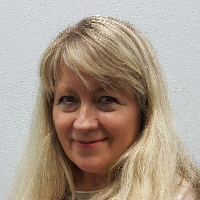
Mary Beth Ritchie
LCSW
Oklahoma - 20 yrs exp














How non-monogamous relationships therapy works for Oklahoma residents
Therapy for non-monogamous relationships focuses on communication, boundary-setting and navigating complex emotional dynamics. In Oklahoma, therapists who specialize in this area bring approaches used in relationship and family therapy and adapt them to the realities of consensual non-monogamy, polyamory and other relationship configurations. You can expect sessions to center on practical skills - improving honest conversations, negotiating agreements and resolving jealousy - while also exploring underlying patterns that affect how you relate to partners.
Whether you live in Oklahoma City, Tulsa or Norman, a local therapist can help you translate general relationship strategies into steps that work for your social and cultural context. Many clinicians blend individual and couple or multi-person sessions so each person involved has space to share their experiences. Therapy may also include education about consent, ethical agreements and ways to foster trust without assuming monogamy as the default structure.
Finding specialized help for non-monogamous relationships in Oklahoma
Finding a therapist who understands non-monogamy starts with looking for clinicians who list relationship diversity, consensual non-monogamy or polyamory competence among their specialties. In larger metro areas like Oklahoma City and Tulsa, you may find clinicians with focused training and experience simply because of higher demand. In smaller communities or suburbs, such as parts of Norman or surrounding towns, a clinician with broad couples experience who is open to learning can also be a good match.
When searching, read therapist profiles to learn about their therapeutic orientation, the kinds of relationship structures they work with and whether they offer individual, couple or group sessions. Many therapists will describe the populations they serve, their training in non-monogamous work and sample topics they address. If profiles are brief, you can often contact a therapist directly to ask whether they have experience with agreement negotiation, compersion, jealousy management and other topics relevant to your situation.
In-person and community considerations
If you prefer in-person care, consider proximity and commute time in larger cities. Oklahoma City offers a wide range of clinicians with varied approaches, while Tulsa also has several practitioners who focus on relationship diversity. Norman and nearby towns may have fewer specialists, so you may want to prioritize a clinician who provides telehealth or who has flexibility in scheduling to minimize travel. Community norms can influence how openly you discuss non-monogamy, so finding a therapist who affirms your values can make it easier to be candid during sessions.
What to expect from online therapy for non-monogamous relationships
Online therapy expands your options across Oklahoma, making it easier to access clinicians with specific non-monogamy experience even if you live outside major cities. In an online session, you can work with a therapist in Tulsa while joining from Oklahoma City, or find a clinician whose particular style fits your needs regardless of location. Telehealth sessions often follow the same clinical structure as in-person therapy - assessment, goal setting, skills practice and progress review - but take place through video or phone.
When you pursue online therapy, check that the therapist is licensed to provide care in Oklahoma and ask about how they handle sessions involving multiple people. Some clinicians offer joint video sessions with two or more partners, while others focus on individual work and provide tools you can bring back to your relationships. You should also discuss logistics - session length, communication between appointments and how the therapist approaches personal nature of sessions for multi-person sessions - so expectations are clear from the start.
Common signs that you might benefit from non-monogamous relationships therapy
You might consider therapy if recurring conflicts about agreements, jealousy or unequal time with partners create stress in your life. Patterns such as repeated misunderstandings about boundaries, feeling left out of decisions, or experiencing anxiety around partner transitions are common triggers for seeking support. Therapy can be useful when you want to explore whether your current relationship agreements match your needs, or when you are building new agreements and want help structuring them constructively.
Other signs include difficulty communicating needs without blame, feeling resentment that grows over time, or struggling with opening or closing relationships in ways that feel emotionally manageable. You may also seek therapy proactively - for example, when a new relationship configuration is starting and you want to establish healthy norms from the outset. Whatever your reason, therapy offers a space to unpack emotions and develop skills tailored to consensual non-monogamy rather than relying on assumptions derived from monogamous models.
Tips for choosing the right therapist for this specialty in Oklahoma
Start by prioritizing therapists who state experience with non-monogamous relationships or with LGBTQ and relationship diversity, since that language often signals a willingness to work respectfully with non-traditional arrangements. Look for clinicians who explain their approach to multi-person sessions, how they help create agreements and how they handle differing needs among partners. If you live in or near Oklahoma City, you may have more immediate options to try several clinicians; if you are in a smaller community, online work can connect you to specialists who understand your needs.
When you contact a therapist, ask about their experience working with your specific configuration - whether that means polyamory, open relationships or another form of consensual non-monogamy - and how they handle common issues like boundary renegotiation, time management and intersectional identities. Discuss practical matters including session format, fees, sliding scale availability and whether they will work with all involved parties. A clear conversation about what you want to accomplish in therapy helps you and the clinician decide whether to schedule an initial session.
Trust your instincts during initial contacts. If a therapist listens attentively, asks thoughtful questions and demonstrates familiarity with the language and concerns of non-monogamous people, you are likely to feel more comfortable bringing difficult topics into the room. Conversely, if a clinician uses judgmental language or repeatedly assumes monogamy as the only healthy option, consider looking for someone else. Many therapists offer brief phone consultations or introductory sessions so you can get a sense of rapport before committing to ongoing work.
Practical considerations and community resources
Consider logistics such as availability outside typical work hours, whether the therapist offers sessions for multiple people at once and their experience with mediation-like practices when conflicts involve more than two partners. You may also want to find clinicians who can connect you to local community groups, workshops or educational resources in Oklahoma City, Tulsa or Norman that address relationship diversity and consent skills. These supplemental resources can complement therapy by offering peer perspectives and practical tools.
Finally, remember that therapy is a collaborative process. You will get the most benefit when you and your therapist establish clear goals and revisit them as relationships evolve. Whether you are seeking help for a specific conflict, building a new agreement or wanting ongoing support as your relationships change, a thoughtful and experienced therapist in Oklahoma can help you build communication patterns and relational structures that fit your life.