Find a Post-Traumatic Stress Therapist in Oklahoma
This page features licensed clinicians across Oklahoma who specialize in post-traumatic stress treatment. Visitors can review profiles, learn about therapeutic approaches, and browse therapists serving Oklahoma City, Tulsa, Norman and nearby communities below.

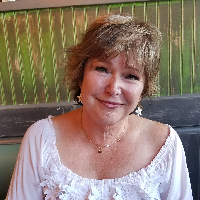








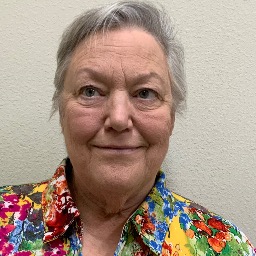









Heather Robinson
LPC
Oklahoma - 25 yrs exp




How post-traumatic stress therapy typically works for Oklahoma residents
If you are seeking help for post-traumatic stress in Oklahoma, therapy generally begins with an initial assessment to understand your history, current symptoms and goals. That first session is an opportunity to describe the events that have affected you, share what makes daily life difficult and ask questions about a therapist's training and approach. From there, many clinicians build a tailored plan that may combine evidence-informed talk therapies, skills training and phase-based work that moves from safety and stabilization to processing memories and building resilience.
Therapists who focus on trauma aim to create a steady pace that respects your readiness. You may spend several sessions learning grounding techniques, emotional regulation strategies and ways to manage intrusive memories before moving into deeper trauma-focused interventions. Sessions are typically weekly at first, with frequency adjusted as symptoms change and you develop coping resources. If you prefer in-person sessions, you can search for clinicians who see clients in Oklahoma City, Tulsa, Norman or other local offices. If travel is difficult or you want more scheduling flexibility, many Oklahoma providers also offer remote options.
Finding specialized help for post-traumatic stress in Oklahoma
When looking for a therapist in Oklahoma, consider training and experience with trauma-specific approaches. Many therapists list certifications or specialized training in trauma modalities such as cognitive behavioral approaches adapted for trauma, prolonged exposure, cognitive processing therapy or eye movement techniques. It is helpful to read provider profiles to learn whether a clinician has experience with experiences similar to yours - for example, single-incident trauma, complex trauma from ongoing stressors or trauma related to military service - and whether they work with adults, adolescents or families.
Geography can matter for convenience and continuity. If you live in Oklahoma City or Tulsa, you may find more local options and group programs. In smaller cities like Norman or Broken Arrow, therapists may offer a mix of in-person and virtual appointments to increase access. Pay attention to logistical details such as appointment hours, whether the clinician accepts your insurance or offers sliding-scale fees and how they handle cancellations and emergencies. These practical considerations matter for keeping therapy consistent over time.
What to expect from online therapy for post-traumatic stress
Online therapy has become a common route for people throughout Oklahoma who need flexibility, reduced travel time or continuity when local options are limited. If you choose remote sessions, your therapist will typically explain how appointments are conducted, what platform to use and how to handle technical interruptions. You should also discuss privacy in your home environment and create a plan for moments when intense emotions arise during a session - for example, identifying a calm place you can move to or having a trusted contact available if needed.
Remote therapy can offer many of the same techniques used in-person, including trauma-focused cognitive work, exposure tasks adapted for virtual settings and skills training for sleep, anxiety and stress management. Some interventions may require careful planning if they involve in-session processing. It is reasonable to ask a prospective therapist how they adapt their trauma work for remote delivery and whether they have experience supporting clients through intense sessions online. If you live in Oklahoma City, Tulsa, Norman or surrounding areas, confirm that the therapist is licensed to provide services to clients located in Oklahoma, so you receive care that follows state guidelines.
Common signs that someone in Oklahoma might benefit from post-traumatic stress therapy
You might consider seeking a therapist if you notice persistent changes in your thoughts, feelings or behavior after a distressing event. These can include repeated, intrusive memories or nightmares about the event, strong emotional reactions to reminders, or a tendency to avoid places, people or activities that trigger distress. You may experience heightened startle responses, difficulty concentrating, changes in sleep or appetite or emotional numbing that makes it harder to connect with others.
Relationships and daily routines can also be affected. You may find yourself withdrawing from friends or family in Oklahoma City or having trouble maintaining work and school responsibilities. Some people notice increased irritability or difficulty regulating anger. If these kinds of symptoms persist for weeks or months and interfere with the life you want to lead, reaching out to a clinician who specializes in trauma can be a constructive step. Therapy can help you develop skills to manage symptoms, process distressing memories at a pace you control and rebuild a sense of safety and purpose.
Tips for choosing the right therapist for post-traumatic stress in Oklahoma
Start by clarifying what matters most to you - whether it is a therapist's specific trauma training, cultural competence, experience with military trauma or availability for evening or weekend appointments. Reading therapist profiles on this site can give you a snapshot of training, specialties and the populations each clinician serves. When you contact a therapist, prepare a few questions about their approach to trauma work, how they structure sessions and what kind of homework or between-session practices they recommend.
Compatibility is central to effective therapy. Pay attention to how a clinician responds to your initial outreach - do they listen to your concerns, explain treatment options clearly and make space for your priorities? If something does not feel like a good fit, it is appropriate to try a consultation with another professional. You may find that a therapist in a nearby neighborhood of Oklahoma City or a clinician who offers flexible remote hours is a better match for your schedule and needs.
Consider practical and financial factors
Be mindful of insurance coverage, out-of-pocket costs and session frequency. Some therapists provide sliding-scale fees or limited pro bono slots. If affordability is a concern, ask about lower-cost group therapy options or community resources in Tulsa, Norman or other cities. Confirm whether the therapist files insurance claims directly or provides documentation you can submit yourself. These details shape the sustainability of care over time.
Preparing for your first few sessions
Before your first appointment, think about what you want to focus on and any immediate goals you hope to achieve. It can help to jot down symptoms, recent stressors and any coping strategies you already use. During the initial sessions, your therapist will likely ask about your history, current supports and safety concerns. You should expect a collaborative conversation about treatment options and a plan for moving forward at a pace that respects your comfort.
If you anticipate needing in-person work, check office location and parking or transit options, especially in busy areas of Oklahoma City and Tulsa. If you plan to attend remotely, test your camera and microphone ahead of time and identify a quiet, uninterrupted place where you can talk openly. Planning these logistics can reduce stress and help you focus on the therapeutic work.
Next steps and local resources
Searching through the therapist profiles on this page can help you identify clinicians whose specialties and practical arrangements match your needs. When you reach out, it is reasonable to ask about training in trauma-focused modalities, experience with similar life experiences and how the therapist structures sessions. If you prefer face-to-face care, look for offices in your city or a nearby community. If travel or scheduling is a barrier, prioritize therapists who offer remote sessions and flexible hours.
Taking the first step can be challenging, but support is available across Oklahoma. Whether you live in Oklahoma City, Tulsa, Norman or a neighboring town, a trained clinician can help you build skills to manage symptoms, process difficult memories and reclaim a greater sense of control in daily life. Use the listings below to compare profiles, reach out for consultations and arrange an initial appointment when you are ready to begin.