Find a Self-Harm Therapist in Oklahoma
This page highlights therapists in Oklahoma who focus on self-harm support and related concerns. You will find practitioner profiles, areas of focus, and options for both in-person and online care across the state. Browse the listings below to compare specialties and connect with a clinician who fits your needs.

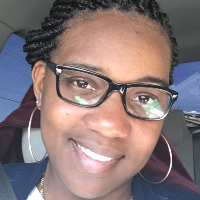
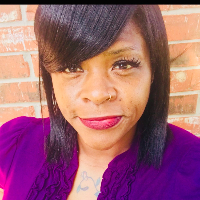
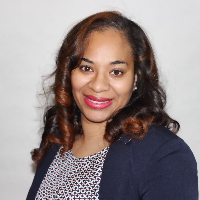
Nancy Lucas
LPC
Oklahoma - 10 yrs exp

















How self-harm therapy typically works for Oklahoma residents
When you begin therapy for self-harm in Oklahoma, the process usually starts with an assessment that maps out current behaviors, triggers, strengths, and immediate safety needs. That initial conversation helps a clinician create a plan that balances stabilizing strategies with longer-term goals. Early sessions often focus on reducing immediate risk through collaborative safety planning, building coping tools to manage intense emotions, and establishing a predictable structure for care.
Therapy for self-harm aims to address the underlying reasons someone engages in these behaviors. Many people work on emotion regulation, impulse control, processing traumatic experiences, and improving interpersonal communication. Your care provider will tailor interventions to your situation - whether you are a teenager in Norman, a college student near Tulsa, or living in a smaller town outside Oklahoma City - so that the approach fits your life and responsibilities.
Assessment, safety planning, and building skills
The assessment phase is more than a checklist. It is a collaborative space where you and a clinician map out what typically precedes self-harm episodes, what has helped or hurt in the past, and what supports exist in your daily life. From that understanding, you and your therapist create a safety plan that identifies warning signs, coping strategies you can use in the moment, and contacts you can call when distress escalates. Over time, therapy emphasizes learning and practicing skills - such as grounding, emotional regulation, and distress tolerance - so you have alternatives to self-harm when intense feelings arise.
Finding specialized help for self-harm in Oklahoma
Locating a therapist experienced with self-harm can feel overwhelming, but there are practical steps you can take. Look for clinicians who list self-harm, self-injury, or related concerns among their specialties. Many therapists also share information about their methods and client populations on their profiles, so you can identify those who work with adolescents, young adults, or families. If you live in or near Oklahoma City or Tulsa, you may find a wider range of clinicians and clinic settings. In smaller communities the options may be more limited, but several therapists offer remote appointments to reach people across the state.
You can also ask your primary care provider, a school counselor, or a trusted community health organization for recommendations. When you contact a prospective therapist, it is reasonable to ask about their experience with self-harm, the types of strategies they use, and how they handle crisis situations. A short phone or video consultation can help you gauge whether their style feels like a good match.
What to expect from online therapy for self-harm
Online therapy expands access for people who live far from urban centers or who have schedules that make in-person visits difficult. If you choose telehealth, sessions typically take place through video or phone, and many therapists also provide resources by email or a client portal. For people in rural parts of Oklahoma or those balancing work and family, online therapy can remove travel barriers and allow for more flexible scheduling. It can also connect you with specialists who are not available locally.
There are important differences to consider when using online care for self-harm. You and your therapist will need clear agreements about how to handle emergencies, including local emergency contacts and steps to take if you feel unsafe between sessions. When you begin remote therapy you should identify a location where you can speak openly and without interruption, and confirm that the clinician is aware of local crisis resources should urgent help be needed. A good clinician will discuss these logistics up front and include them in your care plan.
Common signs someone in Oklahoma might benefit from self-harm therapy
You may consider reaching out for help if you notice patterns that interfere with daily life or cause persistent distress. Frequent unexplained cuts or burns, repeated attempts to hide injuries, or habitual bandaging might be signs that self-harm is occurring. Changes in mood, withdrawal from friends and activities, increased irritability, or sudden drops in school or work performance can accompany self-harm behaviors. You might also notice that you rely on self-injury to manage overwhelming feelings or to feel a sense of control.
For parents, teachers, or friends in cities like Norman or Broken Arrow who are concerned about someone else, paying attention to behavioral shifts and creating opportunities for open, nonjudgmental conversation can make a real difference. If you are in immediate danger or believe someone else is at risk of serious harm, contact local emergency services right away. For ongoing concerns, seeking a clinician experienced in self-harm provides a place to work through triggers and build safer alternatives.
Tips for choosing the right therapist for this specialty in Oklahoma
Choosing the right therapist often comes down to fit and practical details. Start by considering the therapist's training and stated experience with self-harm and related issues. You might prefer a clinician who emphasizes skills training, or another who focuses on trauma processing - both approaches can be effective depending on your needs. Think about whether you want in-person sessions in a local office near Oklahoma City or Tulsa, or whether online care would be more convenient for your schedule and location.
Ask potential therapists about their approach to safety planning, how they involve family members when appropriate, and how they coordinate care with other providers if you have them. Discuss fees and insurance coverage early so you understand costs and whether a sliding scale is available. Consider practicalities like session length, weekend availability, and whether they work with your age group. Trust and rapport matter a great deal - if a clinician is warm, patient, and listens without rushing, that is often more important than a specific label on their profile.
Finally, cultural understanding and local knowledge can be important in Oklahoma. If your background includes Native American heritage, immigrant experiences, or a unique family context, you may want a clinician who demonstrates cultural competence and respect for your values. Many therapists in the state bring experience working with diverse populations and can tailor care to your cultural setting.
Next steps and how to use this directory
When you are ready, use the therapist profiles on this page to compare specialties, read bios, and reach out for a brief consultation. Many clinicians offer an initial call to help you assess fit without committing to a full session. If you prefer in-person work, focus your search on clinicians near Oklahoma City, Tulsa, Norman, or Broken Arrow. If you need flexibility or cannot travel easily, filter for remote options and confirm arrangements for crisis support within your area.
Therapy is a collaborative process and finding the right match can take time. If the first clinician you try does not feel like the right fit, it is okay to look for another perspective. Seeking help is a strong step toward managing distress and learning alternatives to self-harm. Use this directory to explore options, prepare a list of questions for prospective clinicians, and schedule an introductory conversation so you can take the next step toward safer coping and greater emotional stability.