Find a Therapist of Color Therapist in Oklahoma
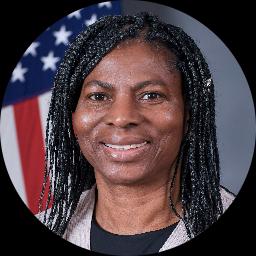
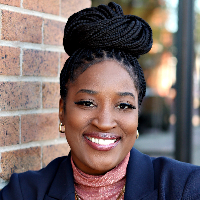
This page highlights therapists of color available to people living in Oklahoma who seek culturally informed therapeutic support. Browse the listings below to compare clinician backgrounds, approaches, and locations across Oklahoma City, Tulsa, Norman and nearby communities.



















How therapist of color therapy works for Oklahoma residents
Therapist of color therapy centers culturally aware, identity-affirming care that takes racial, ethnic, and cultural context into account. For someone in Oklahoma this often means working with a clinician who understands local histories and community dynamics - from urban neighborhoods in Oklahoma City and Tulsa to college towns like Norman and smaller communities across the state. A therapist of color may incorporate conversations about race, immigration, language, family expectations, or faith into treatment in a way that feels grounded in your lived experience rather than as an aside.
The therapeutic process itself is similar to other evidence-informed therapy - you and the clinician will set goals, explore thoughts and feelings related to those goals, and try out new ways of coping or relating. What differs is the frame: cultural meaning, identity development, and systemic stressors are central topics rather than peripheral ones. That approach can help you address issues that are directly tied to cultural identity or experiences of marginalization, and it can also shape how more general concerns - such as anxiety or relationship challenges - are understood and treated.
Finding specialized help for therapist of color work in Oklahoma
When looking for a therapist of color in Oklahoma, begin with what matters most to you. Decide whether you want someone who shares your racial or ethnic background, who speaks your preferred language, or who has documented experience with the issues you are facing. Local listings, community centers, university clinics, and grassroots organizations can point you to clinicians who advertise cultural competency and specific training. Many therapists include short bios, areas of interest, and therapeutic approaches on their profiles, which helps you compare options in Oklahoma City, Tulsa, Norman and beyond.
Licensure is important to check. Therapists will generally list credentials and licensure status on their profiles, and you should confirm that they are licensed to practice in Oklahoma if you plan to attend in-person or telehealth sessions while residing in the state. Consider practical logistics as well - whether you prefer evening hours, weekend appointments, or clinicians who work with families, teens, or specific identity groups. If finances are a concern, look for clinicians who offer sliding-scale fees or who accept your insurance network to manage costs.
What to expect from online therapy for therapist of color work
Online therapy expands access to culturally informed clinicians across distances, which can be helpful if you live outside major centers or want to work with someone whose background matches yours even if they are not local. If you choose telehealth, expect most sessions to follow a similar rhythm to in-person meetings - focused conversation, exploration of feelings and patterns, and development of coping strategies. Therapists who specialize in culturally informed care often adapt their work for online formats by using culturally relevant resources, acknowledging how systemic stress may affect your daily life, and creating psychological safety in virtual interactions.
Before beginning online sessions, check practical details. Confirm that the therapist is licensed to provide care to people living in Oklahoma, learn how they handle emergencies or crisis situations, and ask about session length, cancellation policies, and methods of communication between appointments. You might also ask how they create a comfortable environment for sensitive conversations when sessions take place online - for example by discussing boundaries, preferred language, and how cultural topics will be approached.
Common signs that someone in Oklahoma might benefit from therapist of color therapy
You might choose therapist of color therapy if you find that cultural identity, race, or ethnicity is a central part of what you want to explore in therapy. This could look like feeling misunderstood by clinicians who do not share or appreciate your cultural reference points or experiencing frequent microaggressions at work or school that leave you exhausted. If you face stress related to acculturation, intergenerational conflict, immigration concerns, or discrimination, a therapist of color can help you process how those experiences affect mood, relationships, and daily functioning.
Other reasons people seek this specialty include struggling with identity development, wanting support navigating cultural expectations around mental health, or seeking a therapist who speaks their language or understands faith traditions and community rituals. You may also notice physical symptoms such as persistent tension, trouble sleeping, or changes in appetite tied to stress from cultural or racial pressures. Seeking help is often about finding a space where those experiences are understood rather than minimized.
Tips for choosing the right therapist of color in Oklahoma
Start by clarifying what you need from therapy - whether it is processing racial stress, managing anxiety, improving family relationships, or preparing for life transitions. Use those priorities to guide your search and to craft questions to ask during an initial consultation. Ask about the therapist's experience with your cultural or identity group, what therapeutic approaches they use, and how they integrate cultural considerations into treatment. A thoughtful clinician will be able to describe how they work and will welcome questions about fit.
Consider practical factors that affect whether therapy will be sustainable. Look at scheduling options, fee structures, and whether the clinician offers sessions in-person in cities like Oklahoma City or Tulsa, or online for greater convenience. Check whether they offer evening or weekend appointments if your work or school hours make daytime sessions difficult. If language access is important, prioritize therapists who list the languages they speak. Finally, trust your impressions - an initial session or consultation is a chance to see if you feel understood and respected. If the fit is not right, it is reasonable to try a different clinician until you find someone who feels like a good match.
How community context shapes care
Your local community - whether urban neighborhoods, campus settings, or more rural counties - influences how cultural issues show up in therapy. In Oklahoma City and Tulsa you may find a wider range of clinicians with diverse specializations and group offerings, while smaller towns may have fewer listed providers but strong community networks and grassroots resources. Norman and other college towns often have university-affiliated clinics or campus-based programs that can be helpful for students. If you live outside a major city, online options can bridge gaps and let you connect with clinicians who understand your cultural background even if they are not physically nearby.
Beginning therapy and setting goals
When you begin work with a therapist of color, expect to spend early sessions sharing your history, current concerns, and what you hope to achieve. You should feel free to ask how cultural topics will be handled and whether the therapist has training or experience with the issues that matter to you. Together you will set goals that reflect both symptom relief and deeper work on identity, relationships, or community belonging. Progress may include feeling more confident discussing identity in other parts of your life, developing strategies to cope with discrimination, or improving family communication while honoring cultural values.
If you are unsure where to start, a short consultation or a preliminary phone call can clarify fit without a long-term commitment. Many people try one or two clinicians before finding the right match. The important thing is finding a therapist who listens to your concerns, respects your cultural framework, and helps you move toward the changes you want to see in your life.
Next steps
As you review profiles on this page, pay attention to therapist backgrounds, areas of focus, and practical details such as availability and location. You may find clinicians based in Oklahoma City, Tulsa, Norman or offering online sessions across the state. Reach out to schedule an initial conversation, and bring the questions that matter to you - about approach, experience, and how cultural topics are addressed in sessions. Taking this step can connect you with a clinician who understands your experiences and supports the personal growth you are seeking.