Find a Narrative Therapy Therapist in Oklahoma
Narrative Therapy helps people examine the stories they tell about themselves and their lives, separating problems from personhood and opening space for new meanings. Find trained Narrative Therapy practitioners across Oklahoma below and browse profiles to connect with a therapist who fits your needs.
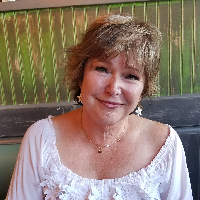




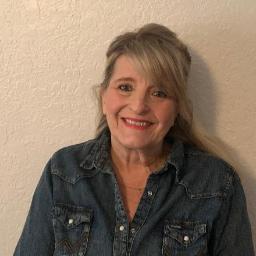
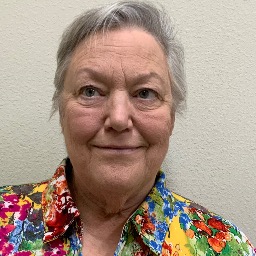








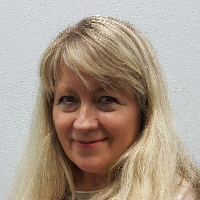
Mary Beth Ritchie
LCSW
Oklahoma - 20 yrs exp





What is Narrative Therapy?
Narrative Therapy is a collaborative approach that centers the stories people carry about their lives. Rather than viewing difficulties as fixed traits within a person, this approach treats problems as influences that can be named, explored, and reinterpreted. Therapists work with you to identify dominant themes in your story - the accounts that shape how you see yourself and your relationships - and to discover alternative narratives that better reflect your values and hopes.
At its core, Narrative Therapy emphasizes your expertise in your own life. A therapist acts as a curious collaborator who asks questions that help you notice exceptions to problem-saturated stories and to amplify moments when you have acted in line with your preferred identity. This process often leads to richer, more flexible ways of responding to challenges.
Principles Behind Narrative Practice
Several consistent principles guide Narrative Therapy. Externalization is a foundational practice that separates a problem from a person by treating the issue as something outside of you - a pattern or influence that you can examine rather than a defining quality. Re-authoring invites you to tell different, more empowering stories about yourself by highlighting times when the problem had less influence. Therapists attend to the social and cultural contexts that shape narratives, recognizing that community, history, and language all inform how stories develop.
Therapists also look for unique outcomes - moments when your actions did not line up with the problem story - and build on those occasions to create more sustainable change. Throughout this work, you remain an active agent, choosing what parts of your story to explore and which directions feel most meaningful.
How Narrative Therapy is Used by Therapists in Oklahoma
In Oklahoma, Narrative Therapy is applied across a range of settings and populations. Practitioners adapt the approach to fit the region's diverse communities, from urban neighborhoods in Oklahoma City to suburban areas around Tulsa and college towns like Norman. Therapists commonly integrate attention to local values, family traditions, and cultural history when co-constructing stories with clients, so the work resonates with everyday life in the state.
Some therapists emphasize family and relational narratives, helping parents, partners, and extended family members understand how stories pass between generations. Others work with adolescents and young adults who are forming identities and testing the stories they inherited. In rural areas, therapists may tailor sessions to address the practical rhythms of life while still engaging in deep narrative exploration.
Common Concerns Addressed with Narrative Therapy
Narrative Therapy is often used for a wide range of concerns where meaning, identity, and relationship patterns matter. You might seek it for persistent anxiety or depression when the way you talk about yourself feels limiting. It is frequently helpful for people navigating grief and loss who want to hold memory and meaning alongside change. Therapists also use narrative techniques to support those coping with life transitions, relationship conflict, parenting challenges, and questions of identity such as gender, sexual orientation, or cultural belonging.
Because the approach emphasizes context, it can be useful when social pressures or stigma affect how you see yourself. You and a therapist can explore how community narratives - including those common in cities like Tulsa or Oklahoma City - shape your sense of possibility and how you might author more empowering personal accounts.
What a Typical Online Narrative Therapy Session Looks Like
When you meet with a Narrative Therapy clinician online, the session often begins with a warm check-in to understand what matters to you in that moment. The therapist will invite you to tell a story about the concern you brought, paying attention to the words and metaphors you use. Instead of immediately labeling symptoms, the therapist will ask questions that help you describe the problem as an external influence - for example, asking how the issue shows up in daily life and how it affects relationships and routines.
Throughout the session you may map the problem's effects, note times when it was less powerful, and identify the values that matter to you. The therapist may suggest small experiments or changes in perspective to test different ways of acting between sessions. Online sessions still allow for a collaborative, conversational style - you can use video, audio, or messaging depending on what the therapist offers - and many people find that the convenience of remote work helps maintain consistency in scheduling.
Practical Considerations for Online Work
If you choose online sessions, make sure you have a comfortable, undisturbed environment for talking. Check with your therapist about their preferred technology and about policies for cancellations and emergencies. You can ask how they structure narrative work remotely and whether they use written reflections, therapeutic letters, or storytelling exercises between sessions to deepen the process.
Who is a Good Candidate for Narrative Therapy?
You may be a good candidate for Narrative Therapy if you want to understand the meaning behind your struggles and to reshape how you relate to them. The approach tends to suit people who prefer conversational, reflective work and who want a collaborative partnership rather than prescriptive advice. It often resonates with those who value exploration of identity, family patterns, and cultural contexts.
People at different life stages - teenagers navigating school and identity, adults facing career or relationship transitions, and older adults reflecting on life narratives - can all find value in this approach. If you are curious about changing the story you tell about yourself and willing to engage in reflective exercises, Narrative Therapy can offer a framework for growth.
How to Find the Right Narrative Therapy Therapist in Oklahoma
Begin by reading therapist profiles to learn about their training, orientation, and therapeutic style. Look for descriptions that specifically mention narrative practice, externalization, or re-authoring, and note any populations or issues the clinician highlights. Consider practical details such as whether the therapist offers in-person sessions in cities like Oklahoma City, Tulsa, Norman, or Broken Arrow, or whether they provide teletherapy across the state.
When you contact a therapist, ask about their experience with Narrative Therapy and what a typical course of work looks like. Inquire about session length, frequency, fees, insurance options, and whether they offer an initial consultation to see if the fit feels right. You might also ask how they incorporate cultural context or community values into the narrative work, since that alignment can make sessions more meaningful to you.
Trust your sense of rapport. The relationship you form with a therapist is an important resource in narrative work - you should feel heard and respected as you explore the stories that shape your life. If a therapist’s approach or communication style does not feel like a match, it is reasonable to try a different clinician until you find one who supports your goals.
Moving Forward
Exploring Narrative Therapy in Oklahoma can open new ways of understanding your life and responding to challenges. Whether you prefer meeting in person in a nearby city or working online for flexibility, you can find practitioners who will collaborate with you to notice alternative stories and to cultivate the values you want to live by. Start by browsing profiles, reach out for an introductory conversation, and see how narrative work might help you author a story that better reflects who you want to be.