Find a Solution-Focused Therapy Therapist in Oklahoma
Solution-Focused Therapy is a brief, goal-oriented approach that emphasizes practical change and clients' strengths rather than dwelling on problems. Find practitioners across Oklahoma offering this approach - browse the listings below to compare profiles and reach out to those who fit your needs.



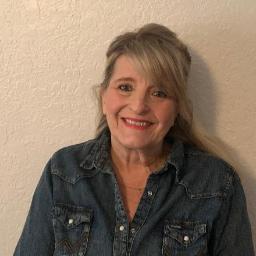
Nancy Lucas
LPC
Oklahoma - 10 yrs exp




















What Solution-Focused Therapy Is
Solution-Focused Therapy centers on forward movement. Rather than spending extended time analyzing how a problem developed, you and your therapist focus on what will be different when the issue is improved. Sessions concentrate on clear, achievable goals and on recognizing times when the problem is less present - those moments are treated as clues about what already works. Therapists trained in this approach use questions that help you imagine a desired future and identify small, practical steps to move toward it.
Core Principles You’ll Notice
When you begin Solution-Focused Therapy, expect the conversation to highlight strengths and resources you already possess. The therapist assumes you have skills and knowledge that can be applied to create change. You will often work with short timeframes, set measurable goals, and track small shifts rather than waiting for global transformation. The approach is collaborative - the therapist acts as a guide helping you amplify what is effective in your life.
How Therapists in Oklahoma Use This Approach
In Oklahoma, clinicians apply Solution-Focused Therapy in a variety of settings including private practice, community clinics, schools, and through online sessions. Whether you are in Oklahoma City, Tulsa, Norman, or a smaller town, therapists trained in this method tailor interventions to local needs and cultural context. Some practitioners combine solution-focused techniques with other evidence-informed methods when a blended approach fits your preferences. The result is often a flexible, brief course of therapy that emphasizes practical outcomes and clear check-ins on progress.
Adapting to Local Communities
Oklahoma therapists frequently adapt solutions to day-to-day realities - work schedules, family responsibilities, and community resources. In urban centers like Oklahoma City and Tulsa you may find clinicians who specialize in workplace stress or relationship concerns, while in college towns such as Norman, therapists often work with students on academic and transitional challenges. Across the state, clinicians pay attention to cultural values, family dynamics, and the practical constraints you may face when setting goals and action steps.
Issues Commonly Addressed with Solution-Focused Therapy
Solution-Focused Therapy is commonly used for issues where clear, achievable goals are possible. You may turn to this approach for managing anxiety about a particular situation, improving communication in a relationship, addressing specific behaviors, or navigating life transitions. It is often helpful when you want short-term support to develop strategies and adjust patterns that are getting in the way of daily functioning. Therapists also use solution-focused techniques to help with goal setting, relapse prevention, and boosting motivation for change.
When It May Be Less Suitable
While Solution-Focused Therapy can be very effective for targeted concerns, it may be less appropriate when you need long-term exploration of deep trauma or complex psychiatric conditions that require specialized treatment. If you are unsure whether this approach fits your needs, a conversation with a therapist in Oklahoma can clarify how they would structure sessions and whether additional or different support would be beneficial.
What a Typical Online Solution-Focused Session Looks Like
Many Oklahoma clinicians offer online sessions that follow the same solution-focused framework used in person. You can expect a focused conversation where you and your therapist identify a specific goal for the session or series of sessions. Early meetings often include a scaling question - you might rate the current state of an issue on a scale from zero to ten - and the therapist will ask about times when the situation is a bit better. Together you will outline small, realistic steps to build on those exceptions and agree on what to try between sessions.
In an online session the logistics are similar to in-office meetings. Your therapist may start by checking how you’ve been since the last meeting, review progress on agreed actions, and then collaborate with you to set the next steps. Sessions can be shorter or less frequent depending on your goals, and many people find online appointments convenient when balancing work or family commitments. Make sure you and your therapist agree on how to handle scheduling, cancellations, and technical issues before getting started.
Who Is a Good Candidate for Solution-Focused Therapy
If you are motivated to make specific changes and prefer a practical, future-focused process, Solution-Focused Therapy may suit you well. This approach tends to work best when you are ready to try concrete actions and reflect on what helps. People seeking brief treatment for single-issue concerns, couples wanting to improve specific aspects of their relationship, and individuals looking for structured goal-setting often find it helpful. You do not need to have a full understanding of your problem to benefit - the therapy is designed to help you identify steps that move you toward a clearer outcome.
Considerations Before Starting
Think about how involved you want therapy to be and how quickly you hope to see change. If you prefer an exploratory, open-ended process that delves deeply into past experiences, you might discuss combining solution-focused work with other therapeutic styles. If your needs are immediate and action-oriented, solution-focused sessions can provide a clear roadmap with measurable progress points.
How to Find the Right Solution-Focused Therapist in Oklahoma
Begin by reviewing therapist profiles to learn about training, specialties, and approach. Look for clinicians who explicitly mention solution-focused experience and who describe how they structure sessions. You can narrow your search by location if you prefer in-person meetings in Oklahoma City, Tulsa, Norman, or nearby towns otherwise choose a therapist who offers online appointments. Pay attention to whether a therapist works with your age group and presenting concern.
When contacting a clinician, ask about session length, typical course of treatment, fees, and whether they offer a brief initial consultation to see if the fit feels right. It is reasonable to inquire how they measure progress and what you might expect after several sessions. Many therapists welcome these questions and will explain how they tailor the solution-focused framework to individual goals.
Practical Tips for Your First Sessions
Before your first appointment consider the specific outcome you want from therapy. Being ready to describe a small, concrete change - even one short-term goal - helps the process get started. During early sessions you will likely set a measurable target and identify initial steps to test what works. Keep in mind that progress is often incremental - small shifts in behavior or perception build toward larger changes.
Finding the right therapist is a personal decision and it is okay to try a few clinicians until you find a working relationship that feels productive. Oklahoma has a range of practitioners using Solution-Focused Therapy in both urban and rural settings, so you can look for someone whose style, availability, and practical approach align with how you want to move forward.
Whether you are seeking short-term help for a specific issue or a focused plan to reach a personal goal, Solution-Focused Therapy can offer practical tools and a goal-driven structure. Exploring profiles, asking targeted questions, and thinking through a first-session goal will help you connect with a clinician in Oklahoma who can support your next steps.