Find a Veterans Therapist in Oklahoma
This page features therapists who focus on veterans' mental health needs across Oklahoma. Browse the listings below to find clinicians offering veteran-focused services in Oklahoma City, Tulsa, Norman, and nearby communities.
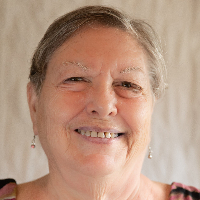





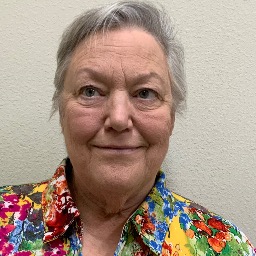


Heather Robinson
LPC
Oklahoma - 25 yrs exp













How veterans therapy typically works for Oklahoma residents
If you are a veteran or supporting one, understanding how therapy can fit into your life is a first step. Many therapists begin with an initial assessment to learn about your service history, current concerns, and goals. That meeting helps shape a treatment plan that fits your schedule and priorities. Sessions may focus on symptom management, coping skills, restoring relationships, or practical transition issues - whatever is most important to you. You can expect a collaborative process where the therapist helps you identify small, attainable steps as well as longer-term priorities.
In Oklahoma, you will find both in-person and remote options. In larger metro areas such as Oklahoma City and Tulsa, there may be options for same-day appointments or evening hours. In college towns like Norman, clinicians often work with student veterans and families. Regardless of location, the initial visit is an opportunity to see whether a therapist’s approach and style feel like a good fit for you.
Finding specialized help for veterans in Oklahoma
When you look for a therapist who understands veterans, you are often seeking someone who knows military culture and the common challenges of reintegration. Start by reviewing clinician bios to see whether they list veteran-focused training, experience with combat-related stress, or work with military families. You can also ask clinics whether therapists have completed additional training in trauma-informed care or evidence-based approaches that are commonly used with veterans.
Another practical route is to check local resources that connect veterans with mental health care. Some community clinics and veteran centers collaborate with licensed clinicians who have experience with benefits navigation and coordinating with other services. While organizational names and program details can change, asking about a therapist’s experience with VA-related paperwork or veteran benefit coordination can be helpful if you expect to use those resources.
What to expect from online therapy for veterans
Online therapy has become a widely used option and can be particularly useful if you live outside a major city or have difficulty traveling. When you choose remote sessions, expect a similar clinical process to in-person care: an intake, a plan, and ongoing sessions. The format may include video calls, phone sessions, and text-based messaging for scheduling and short check-ins. Many therapists will discuss expectations for session privacy, technology requirements, and how to handle emergencies during remote work.
One practical issue to understand is licensure. Most clinicians are licensed to practice in specific states, so if you live in Oklahoma you should confirm that the therapist is authorized to provide care to Oklahoma residents. Telehealth can make it easier to connect with clinicians who specialize in veteran issues even if they are based elsewhere, but licensure rules still matter. In cities such as Oklahoma City and Tulsa you are likely to find both local clinicians who offer telehealth and those who provide in-person services.
Making remote care work for you
To get the most from online therapy, choose a quiet place with good internet and test your device before your first session. It can help to set clear boundaries around the session time - treat it as you would an in-person appointment. If you worry about privacy at home, consider whether a friend’s home, a vehicle, or a quiet office space might be more comfortable. Good therapists will also discuss contingency plans for times when technology fails or when you need urgent help between sessions.
Common signs that someone in Oklahoma might benefit from veterans therapy
You might be considering therapy for yourself or noticing changes in someone close to you. Signs that therapy could be useful include significant sleep disruption, persistent anxiety or anger, difficulty managing memories of service, or challenges with work, school, or relationships since leaving the military. You might also seek help for substance use that feels difficult to control, or for trouble adjusting to civilian routines and responsibilities.
These experiences can look different from person to person. In urban settings you may see stress related to job competition and family logistics. In more rural parts of Oklahoma, isolation and limited local supports can add strain. Whatever the setting, seeking professional support is a practical step when symptoms interfere with daily life or when coping strategies no longer feel effective.
Tips for choosing the right therapist for veterans in Oklahoma
Choosing a therapist is a personal process. Start by considering whether you want someone with military-specific training or a clinician who emphasizes trauma-informed approaches. Read biographies for clues about experience with veterans, deployment-related stress, military sexual trauma, or family reintegration. If a profile mentions work with first responders or similar populations, that can also indicate relevant experience.
Next, think about logistics that matter to you. If you live in or near Oklahoma City, Tulsa, or Norman, you may prefer a therapist you can see in person at least sometimes. If travel is a barrier, focus on clinicians who offer telehealth appointments and flexible hours. Ask about insurance acceptance, sliding scale options, and whether they can coordinate with other providers, such as a primary care clinician or a VA representative.
Preparation matters when you contact a therapist. Consider asking about their typical approach with veteran clients, how they measure progress, the expected length of treatment, and how they handle crises. You can also ask whether they offer a brief trial session so you can evaluate fit. A good therapeutic relationship often depends less on a specific technique and more on feeling understood and respected by the clinician.
Practical next steps
When you are ready to reach out, narrow your search by location, availability, and areas of expertise. If you live in a city like Oklahoma City or Tulsa you may have more immediate appointment options. If you are in Norman or a smaller town, telehealth can open up a wider set of clinicians who specialize in veterans’ needs. Make a short list of questions and contact two or three therapists to compare approaches and comfort level.
Finally, remember that seeking therapy is a step toward getting support tailored to your goals. Whether you are working on daily coping, rebuilding relationships, or navigating benefits and services, a therapist with veterans experience can help you identify practical strategies and community resources that fit your life. If the first clinician is not the right fit, it is reasonable to try another until you find someone who meets your needs and feels right for your journey.