Find an Autism Therapist in Pennsylvania
This page lists Autism therapists serving Pennsylvania, including clinicians who work with children, teens, and adults. Browse the listings below to compare specialties, therapy approaches, and locations across the state.


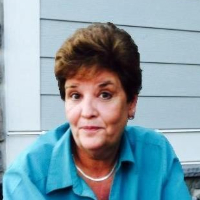

Terri Bassi-Cook
LPC
Pennsylvania - 36 yrs exp




















How autism therapy typically works for Pennsylvania residents
Autism therapy in Pennsylvania is tailored to the individual - it blends assessment, goal-setting, and ongoing supports designed around a person’s needs. Early conversations usually start with an intake assessment that explores communication, social interaction, sensory needs, daily living skills, and emotional well-being. From that point a clinician and family or the individual will outline priorities, select evidence-informed approaches, and set practical goals that can be revisited as progress is made.
Therapy can take many forms depending on age and goals. For children, interventions often emphasize play-based learning, language development, and family coaching so parents and caregivers can reinforce skills at home and in community settings. For adolescents and adults the focus may shift toward social communication strategies, vocational supports, and approaches that promote independence in day-to-day life. Many providers coordinate with schools, primary care providers, and other specialists to ensure a consistent approach across settings.
Finding specialized help for autism in Pennsylvania
When you begin looking for a specialist in Pennsylvania, it helps to start with clear priorities about the kinds of support you want. You may be searching for a clinician experienced with young children who uses play and parent coaching, a therapist who has worked with teens on social skills and transitions, or someone skilled in sensory-based interventions. In larger metro areas such as Philadelphia and Pittsburgh you will often find clinicians with niche expertise and multi-disciplinary teams, while in smaller communities you may rely more on clinicians who provide a broader range of services.
Consider asking potential providers about their training and experience with autism, how they measure progress, and how they involve families or support networks. Many families find it helpful to look for clinicians who collaborate with schools or who have experience writing goals that align with Individualized Education Program plans. If you are in Allentown or nearby communities, community health centers and local clinics can be good places to find referrals and community-based options.
What to expect from online therapy for autism
Online therapy offers an accessible way to connect with autism specialists across Pennsylvania, especially if travel or local availability is a concern. When you choose online sessions you can expect an initial intake done by video or phone where the clinician reviews history and current concerns, discusses technology needs, and outlines how sessions will be structured. Many clinicians blend direct work with the individual and coaching for caregivers so strategies can be practiced between sessions in a home or school setting.
Online formats vary. Some clinicians use interactive activities during sessions, while others focus on observation and coaching while you implement strategies in real time. If you live in a more rural part of the state, teletherapy can reduce travel time and expand your choices. If you are in Philadelphia or Pittsburgh you may have the option to combine in-person visits with online follow-ups, which can be helpful for building rapport and carrying skills into everyday life.
When planning online care think about the technical setup - a quiet area, a reliable internet connection, and a device with video capability are helpful. You should also discuss expectations around session length, who will participate, and how privacy of session information will be managed. Many clinicians will provide guidance on creating a comfortable environment for virtual work and on how caregivers can support engagement during sessions.
Common signs someone in Pennsylvania might benefit from autism therapy
You might consider seeking autism-focused therapy if you notice persistent differences in social communication and interaction, patterns of restricted or repetitive behaviors, or challenges with sensory processing that affect daily life. For children this can show up as delays in spoken language, limited use of gestures, difficulty with back-and-forth play, or intense reactions to lights, sounds, or textures. For adolescents and adults it can present as challenges reading social cues, increased anxiety in social situations, a need for predictable routines, or difficulty with job-related social demands.
Signs often emerge in early childhood, but many people first seek supports later in life when challenges become more apparent during school transitions, workplace changes, or shifts in family demands. If you notice that social or sensory differences, or struggles with everyday tasks, are limiting participation at school, work, or in relationships, therapy can focus on practical strategies to improve functioning and quality of life. It is reasonable to start with an evaluation and a conversation about goals even if you are still unsure.
Tips for choosing the right therapist for autism in Pennsylvania
Start by clarifying the outcomes you want to see. Are you looking for help with communication, behavior supports, sensory strategies, school coordination, or transition planning? Knowing your priorities will make it easier to identify clinicians whose expertise aligns with your needs. When you contact a therapist ask about their professional credentials, their experience with the age group you are seeking services for, and specific approaches they use to support people on the autism spectrum.
Consider how the clinician involves families and other supports. Many effective programs include coaching for parents, collaboration with educators, and practical homework that helps skills generalize across settings. Ask how progress is tracked and how often goals are reviewed. If you will be using insurance or state-funded services in Pennsylvania, ask about billing practices and what documentation the clinician provides to support school or insurance processes.
Location and scheduling can be important. If you live in the greater Philadelphia area you may have access to a larger pool of specialists and multidisciplinary centers. In Pittsburgh there are research-informed programs and community services that offer varied approaches. If you are in Allentown or a smaller region, look for clinicians who offer flexible scheduling or teletherapy to reduce travel barriers. Trust your sense of fit - the therapeutic relationship matters, so choose someone who listens to your concerns, explains their approach clearly, and makes a plan that feels realistic for your life.
Navigating next steps and local resources
After you select a therapist, expect an initial period of assessment and collaborative goal-setting. Therapy is often an evolving process where strategies are adapted to match progress and changing priorities. If you are coordinating with schools, clinicians can help translate therapeutic goals into educational accommodations or IEP goals. If you are exploring supports for an adult, discuss vocational and community resources that help with employment and independent living.
Keep in mind that seeking support is a practical step you can take regardless of where you live in Pennsylvania. Whether you begin with local in-person sessions in a city office, use online visits from a clinician across the state, or blend both approaches, the key is finding a professional who understands autism and can work with you on realistic, measurable goals. Use the listings on this page to compare clinicians, read profiles, and reach out for an initial conversation - that first contact will help you determine whether a clinician’s style and experience match what you need.
Final thoughts
Finding the right autism therapist in Pennsylvania is a process of matching skills, approach, and practical logistics to your personal goals. With thoughtful questions and a focus on collaborative planning you can identify a clinician who helps you or your loved one develop skills that matter in everyday life. Start by reviewing profiles, asking targeted questions, and arranging an introductory visit to see how the clinician approaches assessment and goal-setting - that first step will guide the path ahead.