Find a Blended Family Issues Therapist in Pennsylvania
This page highlights therapists across Pennsylvania who specialize in blended family issues, from stepfamily transitions to co-parenting challenges. Browse the listings below to compare specialties and find professionals who fit your family's needs.




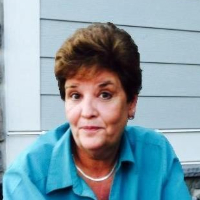


Terri Bassi-Cook
LPC
Pennsylvania - 36 yrs exp















How blended family therapy works for Pennsylvania residents
When you seek therapy for blended family issues in Pennsylvania, the process typically begins with an intake conversation to understand what brought you to seek help and what changes you hope to see. Therapists who focus on blended families assess family structure, parenting arrangements, household routines, communication patterns, and any recent transitions that have affected relationships. Sessions may involve the couple, the full household, or select family members - whichever arrangement best supports progress toward your goals.
Therapists use a range of evidence-informed strategies to address common blended family concerns. These can include communication skill-building, boundary-setting, emotion regulation work, and guidance on co-parenting consistency across households. A clinician will collaborate with you to create a plan that fits your calendar, cultural background, and values. If you live near a Pennsylvania city such as Philadelphia, Pittsburgh, or Allentown, you may find clinicians who offer both in-person and remote options to accommodate varied schedules and commuting needs.
Finding specialized help for blended family issues in Pennsylvania
Searching for a therapist who understands blended family dynamics means looking beyond general family therapy listings. You can narrow your search by checking clinician profiles for experience with stepfamilies, parenting across households, adolescent adjustment, and marital transitions that follow remarriage or new partnerships. Many Pennsylvania therapists list the populations and approaches they work with, so take time to read profile summaries and treatment philosophies to gauge fit.
Geography can matter if you prefer in-person meetings. Major population centers like Philadelphia and Pittsburgh have larger networks of therapists with niche skills, while mid-size cities such as Allentown and regions around Harrisburg or Erie may offer experienced clinicians as well. If you need more flexible scheduling, look for therapists who provide online sessions that can bridge distances between households or make it easier for family members in different locations to join the same appointment.
What to expect from online therapy for blended family issues
Online therapy has become a practical option for blended families across Pennsylvania, especially when members live in separate households or have conflicting schedules. Virtual sessions allow participants to join from home, a parent’s house, or another familiar setting, making it simpler to coordinate joint conversations. You should expect the clinician to provide clear guidance on how remote sessions will work, including expectations for who attends, how sessions are scheduled, and how materials or exercises will be shared between meetings.
Remote therapy is often used for regular check-ins, communication practice between partners or co-parents, and meetings that include distant relatives. It can also make accessing specialized clinicians easier if the best fit for your needs is in a different Pennsylvania city. Before your first online session, check technical needs such as internet connectivity and a quiet area for conversations. Many therapists will suggest ways to create a calm setting for virtual sessions, and they will outline steps for handling interruptions or transitions during family participation.
Common signs that someone might benefit from blended family therapy
You might consider seeking help if conflict in the household feels repetitive or if arguments rarely lead to resolution. Tension between stepparents and stepchildren, persistent loyalty conflicts where children feel torn between adults, and ongoing disputes over parenting styles or discipline are all common triggers. Changes in a child’s behavior - such as withdrawal, acting out, or difficulties at school - can also be indicators that family dynamics are affecting their adjustment.
Other signs include ongoing stress around dividing household responsibilities, unresolved grief or loss related to family transitions, and difficulties merging traditions or expectations between households. If you or a partner feel isolated in the parenting role, or if co-parenting communication has become strained to the point that arrangements are inconsistent, these are practical reasons to explore blended family therapy. Even when differences seem normal after a transition, early help can prevent issues from becoming entrenched.
Tips for choosing the right therapist for this specialty in Pennsylvania
Start by clarifying what you hope to achieve - whether it’s improving co-parenting consistency, supporting children through transitions, strengthening the couple relationship, or reducing household conflict. Use that clarity to frame questions when you contact prospective clinicians. Ask about their specific experience with stepfamilies and blended households, the therapeutic approaches they use, and how they involve children or teens in sessions when appropriate.
Consider logistics as part of the fit. Check whether a therapist offers in-person sessions near your home or in nearby cities like Philadelphia, Pittsburgh, or Allentown, and whether they provide remote appointments. Inquire about fees, insurance participation, and cancellation policies so you understand the practical implications of regular sessions. It helps to ask about typical timelines and what a therapist will track to measure progress.
Pay attention to cultural sensitivity and family values. Blended families bring together different traditions, faith backgrounds, and expectations. A clinician who asks about those influences and demonstrates respect for them is likely to be a stronger match. If children are involved, seek a therapist who has experience engaging with young people in developmentally appropriate ways and who can help parents coordinate consistent responses across households.
Questions to ask during an initial consultation
When you contact a therapist for an initial conversation, you might ask how they typically structure early sessions with blended families, what kinds of goals they help families set, and how they handle sessions when family members disagree about treatment. It is reasonable to ask about their training, professional license in Pennsylvania, and experience with related concerns such as grief, co-parenting after separation, or adolescent behavior concerns. An initial consult also gives you a sense of whether their style and communication approach resonate with you.
Local considerations and next steps
Each Pennsylvania community will have its own network of support services, community centers, and educational resources that can complement therapy. If you live in or near Philadelphia, Pittsburgh, Allentown, Harrisburg, or Erie, you may find local groups, workshops, or school-based support that can be coordinated with therapy. Therapists often collaborate with schools, pediatricians, and other professionals to support a comprehensive approach when needed.
Taking the first step often feels challenging, but it can open a path toward clearer communication and more manageable household routines. Start by reviewing therapist profiles on this page, reaching out for an initial consult, and asking the questions that matter most to your family. Even small progress in how family members relate and solve problems can make day-to-day life noticeably easier, and a well-matched therapist can help you build practical tools for long-term cooperation and understanding.
Making therapy work for your blended family
Therapy for blended family issues is a collaborative process that depends on openness, realistic goal-setting, and consistent effort between sessions. Whether you live in a dense urban neighborhood, a suburb, or a rural Pennsylvania community, there are therapists ready to support the transition to a more cooperative household. Use your first sessions to establish shared expectations, set short-term goals, and decide on the practical steps you will take between appointments. With time and focused work, many families find that tensions lessen and new patterns of cooperation emerge that reflect the strengths and values of everyone involved.
If you are ready to begin, scroll through the therapist listings below to compare specialties, read clinician statements, and reach out to schedule an introductory conversation. Starting the search is the first step toward change for your blended family.