Find a Caregiver Issues and Stress Therapist in Pennsylvania
This page highlights licensed therapists in Pennsylvania who specialize in caregiver issues and stress, including clinicians offering in-person and online appointments. Browse the listings below to compare specialties, locations and approaches across the state.




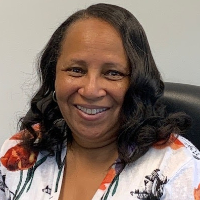
Terri Bassi-Cook
LPC
Pennsylvania - 36 yrs exp



















How caregiver issues and stress therapy works for Pennsylvania residents
If you are managing caregiving responsibilities - for an aging parent, a partner with chronic illness, or a child with special needs - therapy can offer practical tools and emotional support. In Pennsylvania, therapists who focus on caregiver issues draw from several evidence-informed approaches such as stress management techniques, cognitive-behavioral strategies for unhelpful thinking patterns, and family systems work to address relationship strain. Sessions are designed to help you balance responsibilities, reduce burnout, and identify strategies for day-to-day coping that fit your life and the local resources available to you.
Therapists in PA work within state licensing rules, which means that clinicians will list credentials such as LCSW, LPC, or psychologist when they accept clients. That licensing influences what a clinician is qualified to provide and whether they can offer certain types of therapy. Many clinicians combine practical problem-solving with attention to your emotional wellbeing so you can maintain caregiving roles without sacrificing your own health.
Finding specialized help for caregiver issues and stress in Pennsylvania
Start by considering the kind of help you want. Some caregivers need short-term coaching for crisis planning and symptom relief, while others benefit from ongoing therapy to navigate long-term stress and complex family dynamics. When you search profiles on this site you can look for clinicians who note caregiver support, caregiver burnout, eldercare, or chronic illness caregiving as areas of focus. You can also check whether a therapist has experience with conditions commonly associated with caregiving - for example, supporting families dealing with dementia, stroke recovery, or disability.
Geography matters when you prefer in-person care. Philadelphia and Pittsburgh both have dense networks of clinicians and specialized programs connected to medical centers and community agencies, while Allentown and other mid-sized cities offer access to regional providers and community supports. If you are outside an urban center, telehealth options make it possible to connect with specialized clinicians across the state without long travel times. Local resources such as county aging agencies, support groups, and respite services can complement therapy, and a therapist in PA can often point you to these community supports.
What to expect from online therapy for caregiver issues and stress
Online therapy is an increasingly common way to get caregiver support in Pennsylvania, and it can be particularly helpful when your schedule is constrained by caregiving tasks. When you meet with a therapist online, sessions typically occur through video or phone and last about 45 to 60 minutes. You should plan to be in a quiet space where interruptions are minimized so you can focus. Therapists will explain their policies for cancellations, emergency contact procedures, and privacy protections specific to telehealth before you begin.
Online work can be as practical and hands-on as in-person therapy. You may be guided through stress-reduction exercises, taught communication techniques to use with family members or care teams, and asked to complete brief home practice assignments designed to reduce overwhelm. For caregivers in rural parts of Pennsylvania or those who juggle shifts and appointments, online sessions can provide continuity of care when in-person visits are impractical. Make sure the clinician you choose is licensed to practice in Pennsylvania so you know the session meets local professional standards.
Common signs that someone in Pennsylvania might benefit from caregiver issues and stress therapy
You may be a good candidate for caregiver-focused therapy if you notice persistent fatigue that does not improve with rest, a growing sense of resentment or isolation, or difficulty concentrating at work or in daily tasks. Emotional signs can include irritability, frequent tearfulness, or feeling numb as a response to chronic stress. Physical symptoms such as headaches, stomach upset, or changes in sleep and appetite often accompany high caregiving demands. When caregiving responsibilities begin to affect your relationships, job performance, or ability to care for yourself, therapy can help you find practical steps to reduce strain and restore a healthier balance.
Caregiver stress can look different depending on the person you care for and your own history. For example, caregivers supporting someone with progressive conditions may experience anticipatory grief, while those managing complex medical regimens may feel overwhelmed by coordination tasks. Therapy helps you translate symptoms into changes you can make - setting boundaries, accessing community supports, or pacing caregiving tasks to protect your long-term wellbeing.
Tips for choosing the right therapist for this specialty in Pennsylvania
Choosing the right therapist is a personal process. Begin by reviewing profiles for clinicians who explicitly mention caregiver support or related specialties. Look at stated therapeutic approaches, clinical training, and experience with issues that mirror your situation. If you prefer in-person care, filter searches by city to find clinicians near Philadelphia, Pittsburgh, or Allentown, or consider nearby suburbs. If you need flexibility, look for therapists who offer evening hours or telehealth appointments.
When you contact a prospective therapist, ask about their experience working with caregivers and what typical short-term and long-term goals might look like. Ask how they handle crisis situations, what kinds of homework or skill-building they recommend, and whether they collaborate with other professionals such as primary care providers or case managers. Discuss practical matters early on - session length, fee structure, whether they accept your insurance, and options for reduced fees if affordability is a concern. Trust your sense of rapport; a good therapeutic relationship often begins with feeling heard and understood during an initial conversation.
Local resources and next steps
Pennsylvania offers a patchwork of supports that can augment therapy. Major cities often host caregiver workshops, educational programs, and support groups that provide both information and connection. If you live in Philadelphia, Pittsburgh, or Allentown you will likely find hospital-affiliated programs and community agencies that run caregiver education sessions. In more rural counties, area agencies on aging and community health centers can help you locate respite care, transportation options, and legal or financial assistance related to caregiving.
Once you identify a few therapists who seem like a good match, consider scheduling brief consultations to compare approaches and availability. Therapy for caregiver issues and stress is most effective when it fits into your life in a sustainable way - the right therapist will help you set realistic goals, connect you to local resources, and support you in caring for both your loved one and yourself. Take that first step by reviewing profiles below, and reach out to clinicians who align with your needs and schedule.
Closing thought
Caregiving is deeply meaningful work, but it can also be draining. Finding the right professional support in Pennsylvania can make a significant difference in how you manage daily responsibilities, communicate with family, and preserve your own wellbeing. Whether you prefer in-person appointments in a nearby city or remote sessions that fit around caregiving demands, help is available to help you navigate this chapter with clearer strategies and more emotional resilience.