Find a Female Therapist in Pennsylvania
Find female therapists who serve Pennsylvania, including clinicians offering in-person and online appointments across major cities like Philadelphia, Pittsburgh, and Allentown.
Review the profiles below to learn about specialties, treatment approaches, and scheduling options, then browse listings to contact professionals who match your needs.








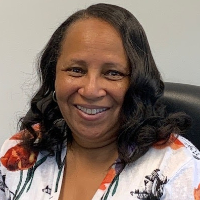
Terri Bassi-Cook
LPC
Pennsylvania - 36 yrs exp















How working with a female therapist typically works for Pennsylvania residents
When you choose to work with a female therapist in Pennsylvania, the process usually begins with an initial contact to ask about availability, approach, and logistics. Many practices offer a brief intake call or online form so you can describe your concerns and confirm whether the clinician's expertise aligns with your needs. Once you schedule a first session, you can expect to discuss current challenges, personal history, and goals for therapy. Sessions commonly last 45 to 60 minutes and may take place in an office, a clinic setting, or via a video or phone appointment depending on what the therapist offers. If you live in a larger city such as Philadelphia or Pittsburgh you may find a wider range of specialties and modalities, while smaller towns may offer a smaller selection but often strong community-focused resources.
The role of a female therapist and what they bring to sessions
A female therapist brings professional training and therapeutic approaches that can feel especially relevant if your background, culture, or experiences lead you to prefer a woman as your clinician. That preference can matter for topics such as reproductive health, parenting, gender identity, relationships, trauma, or cultural expectations. Female therapists use evidence-informed methods - such as cognitive, behavioral, psychodynamic, or strengths-based approaches - adapted to your situation. You should expect collaborative planning, where you and your therapist identify priorities and agree on the pace and style of work. Ethical boundaries, professional standards, and licensure in Pennsylvania guide that work so you can be clear about what to expect from session structure, documentation, and referral when needed.
Finding specialized help for your needs in Pennsylvania
Searching for a therapist with a particular specialty means looking beyond gender alone. Many female therapists focus on areas such as perinatal mental health, trauma recovery, couples therapy, adolescent care, chronic illness support, or cultural competence for specific communities. In cities like Allentown or Harrisburg you may find clinicians who concentrate on regional public health concerns, while urban centers such as Philadelphia and Pittsburgh often host clinicians affiliated with hospitals, universities, and specialty clinics. When reviewing profiles, note the therapist's stated specialties, years of experience, training, and any additional certifications. You can contact a clinician to ask about their experience with issues like menopause-related mood changes, postpartum adjustment, relationship transitions, or navigating workplace stress as a woman. If you have a language preference, look for therapists who list additional languages so communication feels natural.
Licensing and verifying credentials
Therapists practicing in Pennsylvania hold state licenses such as licensed professional counselors, clinical social workers, marriage and family therapists, or psychologists. It is reasonable to ask about a clinician's license type, where they were trained, and whether they participate in continuing education relevant to your concerns. Asking directly helps you determine whether their scope of practice matches what you need. If you prefer care that coordinates with medical providers, you can ask whether the therapist collaborates with psychiatrists, primary care doctors, or obstetric teams when appropriate.
What to expect from online therapy with a female therapist
Online therapy has become a widely used option for people throughout Pennsylvania. When you select telehealth sessions you should expect to use a video or phone connection at the scheduled time. Therapists will usually provide instructions on how to join a session, what to do if the connection drops, and how to handle emergencies or crises between appointments. Online work can be especially helpful if you live outside major centers or have mobility or scheduling constraints. Those in Philadelphia, Pittsburgh, or Erie often combine in-person and virtual visits depending on availability and preference. Before your first online appointment, confirm whether the clinician can offer remote services legally in your county and whether they have protocols for privacy and record keeping. Also discuss practical matters such as session length, fees, insurance coverage, and what to do if you need to reschedule.
Common signs that you might benefit from working with a female therapist
You might consider seeking a female therapist if you notice persistent patterns that interfere with day-to-day life. That could include ongoing feelings of sadness or worry that do not lift with time, repeated conflicts in relationships, struggles with identity or sexuality, or difficulty adjusting to life transitions such as pregnancy, parenting, divorce, job change, or caregiving responsibilities. You may also look for a female clinician if you want to address trauma, past abuse, or experiences where gender played a central role. Another common reason is wanting a therapist who understands how social expectations, cultural norms, or gender roles influence mental health. If you find that symptoms interfere with work, relationships, physical health, or your ability to enjoy life, reaching out to a therapist for an assessment and a conversation about next steps can be a helpful move.
Tips for choosing the right female therapist in Pennsylvania
Begin by clarifying what matters most to you - whether it is a particular therapeutic approach, expertise with specific life stages, a therapist's cultural background, or logistical factors such as availability and insurance. When you screen potential clinicians, ask about their experience with issues that match your concerns and how they typically structure treatment. Discuss practical topics like fees, sliding-scale options, cancellation policies, and whether they accept your insurance plan. It is reasonable to ask for a brief phone consultation to get a sense of rapport and to see whether the therapist's communication style feels comfortable. Remember that chemistry matters - it is normal to try a few therapists before you find one where you feel heard and understood. If you live in a more rural area of Pennsylvania, consider whether telehealth expands your options and whether the therapist has local knowledge or community connections that are relevant to your life.
Practical considerations for city and regional differences
Where you live in Pennsylvania can affect availability and specialty care. In Philadelphia you may find more clinicians who work with bilingual populations, university-affiliated programs, and specialized trauma or perinatal services. Pittsburgh often has strong specialty care tied to medical centers and research institutions, while Allentown and Harrisburg offer a mix of community mental health resources and private practitioners. Erie and other northern communities can provide dedicated local providers with deep knowledge of regional needs. When location matters, ask whether a therapist offers hybrid care - combining occasional in-person visits with ongoing virtual sessions - to balance convenience and continuity.
Preparing for your first sessions and getting the most from therapy
Before your first appointment, take a moment to list your main concerns, recent stressors, and what you hope to change or understand. Bringing examples of situations that felt challenging can help the therapist quickly grasp patterns. Establish early on how you will measure progress - whether through improved mood, better sleep, clearer relationships, or other markers that matter to you. Be open about practical constraints like work hours, childcare, and transportation so the therapist can suggest realistic scheduling. Therapy can be most useful when you and your therapist regularly revisit goals and adjust methods when needed. If you ever feel a mismatch with a therapist's style, it is okay to discuss it or to seek a referral. Finding a clinician who fits your needs and respects your life context is a key step in making therapy effective.
Across Pennsylvania, female therapists offer a range of compassionate, professional support tailored to diverse needs and backgrounds. By clarifying your priorities, asking about experience and logistics, and paying attention to how you feel in early sessions, you can identify a clinician who is a good match for the path forward you want to take.