Find a Hoarding Therapist in Pennsylvania
This page brings together hoarding specialists who serve people across Pennsylvania, including those offering in-person and online care. Browse the listings below to compare experience, approaches, and availability in your area.









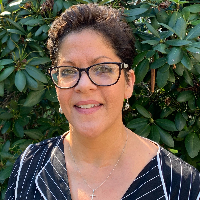
Jennifer Schlegel
LPC
Pennsylvania - 22 yrs exp














How hoarding therapy works for Pennsylvania residents
If you are considering hoarding therapy in Pennsylvania, it helps to know that the process is usually collaborative and gradual. Most therapists begin with an assessment to understand how clutter affects your daily routines, safety, and relationships. From there you and your clinician set realistic goals - these may include improving the flow of living spaces, reducing stress associated with decision-making, or restoring access to rooms you have not been able to use.
Treatment often combines practical skill-building with emotional work. You can expect structured exercises that teach sorting strategies, decision-making skills, and ways to manage urges to acquire more items. Therapists also address anxiety, avoidance, and shame that commonly accompany difficulty discarding. Progress tends to happen in small steps so that changes stick over time, and many programs include homework or practice sessions between meetings so you can apply new skills in your own home.
Finding specialized help for hoarding in Pennsylvania
When you search for help, look for clinicians who explicitly list hoarding or clutter-related difficulties among their specialties. In urban centers like Philadelphia and Pittsburgh you may find clinicians who offer in-home services or who work closely with professional organizers and community agencies. In smaller cities such as Allentown you might find therapists who provide a mix of in-person and online sessions to reach residents across the region.
Because hoarding work often intersects with housing, legal, and safety concerns, a therapist who is comfortable coordinating with family members, landlords, or social services can be valuable. You may also encounter multi-disciplinary teams that include organizers, case managers, or peer support providers. When you contact a clinician, ask how they collaborate with other professionals and whether they have experience addressing the practical barriers you face in Pennsylvania, such as local housing codes or seasonal challenges like winter weather that can affect removal and cleanup plans.
What to expect from online therapy for hoarding
Online therapy can be an accessible option if you live outside major population centers or need flexible scheduling. In virtual sessions you will still work on the same core skills: sorting, decision-making, and coping with distress. Therapists often use video to observe your living areas, with your permission, so that they can make practical suggestions and guide real-time practice. Many clinicians also use screen-sharing, photo reviews, or text-based assignments to help you document progress and reflect on what is working.
One benefit of online work is the ability to involve family members or support persons during sessions without everyone needing to travel. A potential limitation is that certain hands-on services - such as organizing, disposal logistics, or in-person safety assessments - may require coordination with local providers. If you live in a rural part of Pennsylvania, online therapy can be a crucial bridge to specialty care while you arrange for any necessary on-the-ground support.
Common signs you or someone you know might benefit from hoarding therapy
You might consider seeking help if clutter makes it difficult to use important parts of the home, if you feel overwhelmed when thinking about discarding items, or if possessions cause frequent arguments with family members. Other signs include difficulty managing bills or mail because of accumulated items, excessive acquisition that stresses a budget, or safety concerns such as blocked exits or fire hazards. You do not need to wait until a situation reaches crisis level to ask for support - early intervention can prevent problems from becoming more complicated.
People often reach out after a triggering event - a move, a change in health, conflict with loved ones, or pressure from housing authorities. If you are in Philadelphia, Pittsburgh, or Allentown, local community resources may be available to supplement therapy, but therapists can help you navigate those options and advocate for solutions that fit your situation.
Tips for choosing the right therapist for this specialty in Pennsylvania
Start by looking for clinicians who describe experience with hoarding-related issues and who explain their approach clearly. Ask about the types of interventions they use, whether they have experience conducting home-based work, and how they measure progress. It is reasonable to inquire about collaboration with professional organizers, social service agencies, or housing professionals, especially if you anticipate logistical needs beyond therapy.
Consider practical factors such as location, insurance or payment options, and whether the therapist offers evening or weekend appointments if you have a busy schedule. If you prefer in-person sessions, search for providers near your town or in nearby urban areas like Philadelphia or Pittsburgh. If you need online care, confirm that the clinician is licensed to practice in Pennsylvania and that they can provide virtual sessions to residents across the state.
When you contact a therapist, use an initial consultation to get a sense of rapport and fit. Share the main concerns you have and ask how the therapist would structure the first few months of work. You should feel that the clinician listens without judgment and offers a plan you can live with. Trust and a sense of safety are important because the work often brings up difficult emotions.
Working with family, organizers, and community services
Hoarding-related challenges commonly affect relationships, so many people include family members or support persons in treatment. Therapists can help mediate conversations and teach communication skills that reduce conflict. Professional organizers can provide practical sorting and disposal assistance, and a therapist who has experience collaborating with organizers will understand how to balance emotional work with hands-on change.
Community services in Pennsylvania - including housing agencies and local nonprofits - can sometimes assist with safety evaluations or cleanup logistics. Your therapist can help you identify appropriate local contacts and advise on how to coordinate services while protecting your dignity and goals. If you live in a larger city like Philadelphia, you may find a wider network of specialist services; if you are in a smaller community, your clinician can often help you locate regional resources or suggest mobile providers who travel between towns.
Practical next steps for getting help in Pennsylvania
If you are ready to begin, start by browsing the therapist profiles on this page to find clinicians who list hoarding among their specialties. Reach out for an initial conversation and ask specific questions about their experience, approach, and availability. If you are unsure whether you need in-person support or online sessions, discuss both options during your consultation so you can choose what feels most manageable.
Remember that change usually happens incrementally. Celebrate small wins, such as reclaiming a counter or finishing a targeted decluttering session. If safety issues are present, such as blocked exits or mold, prioritize those concerns and involve appropriate local services as needed. Above all, seek a therapist who respects your goals and works with you to create a plan that fits your life in Pennsylvania, whether you live in a city neighborhood or a quieter borough outside Allentown or Erie.
When to seek immediate assistance
If you or someone else faces an immediate danger - for example, a health emergency, severe injury risk, or imminent threat to housing - contact local emergency services right away. For non-emergent but urgent housing or safety concerns, your therapist can help you connect to local resources that address those needs while supporting your therapeutic goals.
Finding the right hoarding therapist in Pennsylvania can feel daunting, but taking it one step at a time makes the process manageable. Use the listings above to compare clinicians, ask informed questions, and choose a provider whose experience and approach align with your needs. With focused support and practical strategies, you can reduce clutter, improve daily routines, and restore more usable and comfortable spaces in your home.