Find an Infidelity Therapist in Pennsylvania
This page lists therapists who focus on infidelity and relationship recovery in Pennsylvania. You can browse local and online professionals by city, specialty, and treatment approach in the listings below.
Use the filters to compare credentials, approaches, and availability, then get in touch with a therapist who fits your needs.







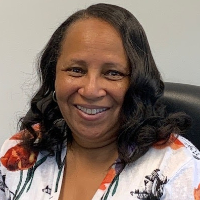



Julie Lynch
LPC
Pennsylvania - 12 yrs exp













How infidelity therapy works for Pennsylvania residents
When you seek help for infidelity in Pennsylvania, therapy typically begins with an assessment of what happened, how it has affected both partners, and what each person wants moving forward. Therapists who specialize in infidelity will help you and your partner clarify immediate concerns - safety, ongoing contact with the third party, and how to manage intense emotions - and then develop a collaborative plan. That plan may focus on restoring communication, rebuilding trust, managing grief and anger, or helping one partner decide whether to stay in the relationship. Many clinicians combine emotionally focused strategies with practical communication skills so you can address both the emotional rupture and the day-to-day dynamics that contributed to the breach.
Initial sessions and goal setting
The first few sessions are often used to gather facts, understand each person’s perspective, and set goals for therapy. Your therapist will invite open but respectful conversation, help you name emotions, and guide you in setting realistic short-term goals. These might include reducing reactive behavior, learning how to discuss the affair without escalating conflict, or creating structured agreements about contact and boundaries. Pennsylvania therapists will also review their policies on personal nature of sessions, emergency contact, and how they handle disclosures that raise safety concerns, so you know what to expect about record-keeping and consent.
Finding specialized help for infidelity in Pennsylvania
Not all therapists have specialized experience with affairs and betrayal. You can look for clinicians who list infidelity, affair recovery, marital crisis, or trauma related to relationship rupture among their specialties. In larger cities like Philadelphia, Pittsburgh, and Allentown you may find clinicians who focus specifically on affair recovery, sex therapy, or couples therapy with an emphasis on betrayal trauma. If you live outside major metro areas, online therapy expands access to professionals who have worked extensively with infidelity issues and who understand the cultural and legal context of Pennsylvania relationships.
Credentials and experience to consider
When choosing a therapist, consider licensure, training, and clinical experience with infidelity. Licensed clinical social workers, marriage and family therapists, and licensed professional counselors commonly treat infidelity. You may also want to ask about specific training in trauma-informed care, couples therapy models, and work with blended families if you and your partner have children. Ask prospective therapists about how long they have worked with affair recovery and whether they provide individual, couples, or combined treatment plans. A clinician’s approach should align with your goals, whether that is reconciliation, separation with dignity, or understanding the patterns that led to the breach.
What to expect from online therapy for infidelity
Online therapy can be convenient and effective for infidelity work, especially when partners live in different parts of Pennsylvania or have schedules that make in-person visits difficult. In an online format you will use video sessions that mirror in-person conversations, with attention to creating a safe setting for emotional disclosures. Your therapist will discuss how technology will be used, how to handle interruptions, and what to do if a session becomes highly emotional. You should confirm that the therapist is licensed to provide care in Pennsylvania and that they have a plan for managing crises or safety concerns if they arise between sessions.
Practical considerations for online sessions
Before starting online therapy, prepare a quiet space, plan for time when you won’t be interrupted, and test your camera and audio. Discuss with your therapist how you will signal if you need a break and how to handle sensitive conversations when other household members are present. Online therapy also makes it easier to access therapists with specialized training who may not practice near your town, so you can look beyond local directories while still choosing someone licensed in Pennsylvania.
Common signs you might benefit from infidelity therapy
You might consider seeking infidelity therapy if the affair has led to ongoing mistrust, persistent and painful memories, or an inability to talk about the event without avoiding or escalating conflict. If you find yourself checking a partner’s messages repeatedly, withdrawing from emotional or physical intimacy, or feeling stuck in anger or shame, therapy can help you process those emotions in a guided way. Other signs include repeated cycles of apology and relapse, difficulty making decisions about the future of the relationship, or if the betrayal has triggered anxiety, depression, or changes in sleep and appetite. Therapy is also useful when one partner wants to repair the relationship while the other is unsure; a therapist can create a structured environment for those conversations.
When individual help is appropriate
Sometimes you may choose individual therapy to process your own reactions before engaging in couples work. Individual sessions let you explore personal boundaries, attachment patterns, and coping strategies so you are clearer about what you need from the relationship. Individual work can be an important precursor to joint sessions, particularly if one partner is overwhelmed or needs support to manage strong emotions safely.
Tips for choosing the right infidelity therapist in Pennsylvania
Begin by clarifying your priorities - immediate stabilization, repairing the relationship, or working toward separation - and look for clinicians whose approach matches those goals. Read therapist profiles to learn about their training, experience with affairs, and how they describe their therapeutic style. In cities like Philadelphia and Pittsburgh you may be able to schedule brief consultation calls to get a sense of fit. Ask about treatment length, typical session structure, fee policies, and whether the therapist offers sliding scale options or accepts insurance. It is also reasonable to ask how progress is measured and what outcomes you can expect from short-term versus longer-term work.
Red flags and practical questions
Watch for red flags such as clinicians who make rigid promises about results, minimize your feelings, or do not provide a clear plan for therapy. Good therapists will acknowledge uncertainty, outline possible steps, and adapt their approach as you progress. Practical questions to ask during an initial call include whether the therapist provides couples and individual sessions, their experience with infidelity, and how they handle situations where one partner is reluctant to participate. You can also inquire about their familiarity with Pennsylvania-specific resources - family law referrals, local support groups, or trauma specialists - if you anticipate needing coordinated care.
Taking the first steps
Reaching out for help after infidelity can feel overwhelming, but therapists in Pennsylvania are prepared to help you navigate the practical and emotional complexities. Start by reviewing profiles in your area or online, schedule a brief consultation to assess fit, and prepare a few goals or concerns to discuss at your first session. Whether you live in Philadelphia, Pittsburgh, Allentown, or a smaller community, finding a clinician who listens, offers clear structure, and respects your goals will help you move toward clarity and healing, whatever path you choose.