Find a Mood Disorders Therapist in Pennsylvania
This page features therapists who specialize in mood disorders throughout Pennsylvania, including providers serving Philadelphia, Pittsburgh, and Allentown. Browse the listings below to compare credentials, treatment approaches, and find a clinician who fits your needs.




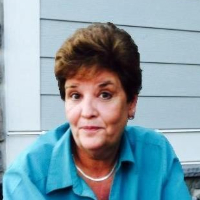



Terri Bassi-Cook
LPC
Pennsylvania - 36 yrs exp
















How mood disorders therapy typically works for Pennsylvania residents
If you are exploring help for depression, bipolar symptoms, or other mood-related concerns, therapy usually begins with an intake conversation to understand your history, current struggles, and treatment goals. That first session is often an assessment of mood patterns, daily functioning, stressors, and any previous treatments. From there you and a clinician will create a treatment plan that may include psychotherapy sessions, skill-building, symptom tracking, and coordination with other health providers if medication management is part of your care.
Therapists in Pennsylvania practice across a range of settings - private practices, community mental health centers, university-affiliated clinics, and outpatient programs. Many offer both in-person appointments and online sessions so you can choose what works best for your schedule and comfort level. You will likely find clinicians who specialize in evidence-informed approaches such as cognitive behavioral therapy, interpersonal therapy, behavioral activation, and therapies that focus on emotion regulation. A good therapist will explain why they recommend a particular approach and how progress is measured over time.
Finding specialized help for mood disorders in Pennsylvania
When you look for a clinician who focuses on mood disorders, consider training and experience first. Specialists often list their work with depressive disorders, bipolar spectrum conditions, seasonal mood changes, or chronic low mood. Many also describe experience with related challenges such as anxiety, trauma, or substance use, because these frequently overlap with mood symptoms. In larger cities like Philadelphia and Pittsburgh you will find a broader range of specialists and interdisciplinary clinics; in smaller communities you may find clinicians who bring a generalist approach with strong experience in mood treatment.
Licensure and credentials matter since they reflect different scopes of practice and training. You can look for licensed clinical social workers, professional counselors, psychologists, or psychiatrists depending on whether you are seeking psychotherapy, psychological testing, or medication management. Some therapists also have additional certifications or years of specialized training in mood-focused treatments. If cultural background, language, religion, or life stage are important to you, you can prioritize clinicians who highlight that experience in their profiles. Many professionals working in university towns or urban centers also supervise trainees, which can be an option if you want a lower-cost session with oversight from a licensed clinician.
What to expect from online therapy for mood disorders
Online therapy has become a common option for people across Pennsylvania. When you choose teletherapy, you can expect sessions that resemble in-person meetings in structure - a focused conversation guided by your therapist, collaborative problem solving, and practical tools to use between appointments. Technology typically allows for video calls, phone sessions, and sometimes text-based messaging for short updates or scheduling. Therapists will explain their platform and how to access sessions, including what device and internet speed are recommended.
In an online format you may find it easier to attend consistently if you live in a rural area or have transportation or scheduling constraints. Online therapy also allows you to connect with clinicians licensed in Pennsylvania from different regions - for example, you can work with a therapist who practices in Philadelphia while living in a smaller Pennsylvania town. Therapists will discuss boundaries, personal nature of sessions practices, and what happens if there is a crisis during a virtual session. It is important to ask about emergency procedures and local resources in your area so you know what supports are available if urgent help is needed.
Common signs you might benefit from mood disorders therapy
You might consider reaching out for help if low mood or mood swings begin to interfere with daily life, relationships, work, or school. Prolonged sadness, a loss of interest in activities you usually enjoy, marked changes in appetite or sleep, and decreased energy are common signs that therapy could be helpful. You may also notice persistent irritability, difficulty concentrating, or feelings of hopelessness that do not subside after a few weeks.
In some cases mood changes are episodic, with clear periods of elevated or decreased energy that affect judgment or functioning. If you experience intense shifts in mood that lead to risky behavior or significant disruption, a specialist who understands mood dysregulation can work with you to develop safety planning and coping strategies. If thoughts of harming yourself or others occur, it is important to seek immediate help from emergency services or a local crisis resource so you can get urgent assistance.
Tips for choosing the right therapist for mood disorders in Pennsylvania
Choosing a therapist is a personal decision and it helps to approach it like a small search process. Start by reading clinician profiles to understand their areas of focus and typical client population. Look for mentions of mood disorders or depressive spectrum work and note any therapeutic approaches you want to try. If you have a preference for shorter-term symptom-focused work or longer-term exploratory therapy, check whether the clinician describes that orientation. Many therapists offer a brief consultation call so you can ask about experience, session structure, and what a typical course of care might look like.
Consider practical factors such as location, availability, and insurance. If you live near Philadelphia, Pittsburgh, or Allentown you will have a range of appointment times and in-person options; living farther from those centers may make online therapy more convenient. Ask whether a clinician accepts your insurance, works on a sliding scale, or offers payment plans. If medication is part of your care plan, discuss how the therapist collaborates with psychiatrists or primary care providers for coordinated treatment.
Fit matters as much as qualifications. You should feel heard and respected during initial meetings. If a clinician’s style does not match what you need, it is reasonable to try a few sessions and then switch if it is not a good match. Therapy often improves when you can be candid about what is and is not working, and a strong therapeutic relationship supports consistent progress.
Practical next steps and local considerations
Use profile details to narrow your search and prepare a short list of clinicians to contact for an initial conversation. Prepare a few questions in advance about their experience with mood disorders, how they measure progress, typical session length, and what homework or outside work they might recommend. If you live in a city such as Philadelphia, you may find additional community resources like support groups, university clinics, and specialty programs; Pittsburgh and Allentown also host community mental health resources and opportunities for group-based support. Exploring local options can supplement individual therapy with peer support and educational programming.
When you are ready to book, plan for the first few sessions to focus on assessment and orientation. Therapy is a collaborative process and you should expect the clinician to check in regularly about how treatment is going and whether adjustments are needed. Over time you will develop personalized strategies for managing mood, improving day-to-day functioning, and pursuing the goals that matter to you. Reaching out for help is a meaningful step, and taking the time to find the right therapist in Pennsylvania can make a big difference in the effectiveness of your care.
Resources to consider
Besides individual therapy, look into workshops, peer-led groups, and educational programs offered by community centers, nonprofits, and health systems in your region. These resources can complement therapy by providing techniques for stress management, sleep hygiene, and relationship skills that support mood regulation. If cost is a concern, ask about reduced-fee clinics or training clinics at local universities, which often offer quality care under supervision at lower rates. Combining professional therapy with community resources can create a fuller network of support as you work toward more stable mood and improved well-being.