Find a Panic Disorder and Panic Attacks Therapist in Pennsylvania
This page lists therapists across Pennsylvania who specialize in panic disorder and panic attacks, offering both in-person and online options. Browse the clinician profiles below to compare approaches and reach out to a therapist who fits your needs.


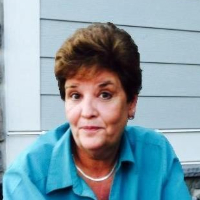



Terri Bassi-Cook
LPC
Pennsylvania - 36 yrs exp


















How panic disorder and panic attacks therapy works for Pennsylvania residents
When you begin therapy for panic disorder or recurrent panic attacks, the process typically starts with an assessment of your current symptoms and history. Your therapist will ask about how often panic episodes occur, the situations that trigger them, and how they affect your daily life. From there, you and your clinician will develop a plan that may include short-term strategies to reduce acute symptoms and longer-term work to change the patterns that maintain panic. Therapy often combines practical skills training with gradual exposure to feared sensations or situations so you can re-learn responses to anxiety.
Therapists in Pennsylvania use evidence-informed methods but tailor them to suit your preferences and circumstances. You should expect a collaborative relationship where your feedback shapes the pace and focus of sessions. Therapy is not a one-size-fits-all service - some people prefer more structured approaches with homework and progress tracking, while others respond better to a flexible, exploratory style that addresses underlying stressors, life transitions, or relationship issues that can fuel panic.
Finding specialized help for panic disorder and panic attacks in Pennsylvania
In Pennsylvania you can find clinicians with training in cognitive behavioral therapies, anxiety-focused work, and exposure-based treatment. When searching the directory, look for providers who list panic disorder, panic attacks, or anxiety disorders as areas of focus. You may also want to note credentials such as licensed psychologist, licensed professional counselor, or licensed clinical social worker, and look for clinicians with additional training or experience in anxiety treatment. If you live near a major city like Philadelphia, Pittsburgh, or Allentown, you may have access to a wider range of specialists and clinics that focus on anxiety disorders.
Consider geography and logistics as part of your search. Some therapists offer office-based appointments in clinics or private practices, while many provide online sessions that allow you to work with a specialist regardless of distance. If you prefer in-person care, check whether a therapist's office is easy to reach by public transport or near locations you frequent. If you require evening or weekend appointments due to work or school, filter for clinicians who list flexible availability. In more rural parts of Pennsylvania, online therapy can expand your options and help you connect with someone who has relevant expertise.
What to expect from online therapy for panic disorder and panic attacks
Online therapy can be an effective way to learn techniques for managing panic symptoms, especially when you need greater scheduling flexibility or cannot access in-person services locally. In an online session you will typically use video calls, though some therapists offer phone or text-based messaging options for parts of treatment. The first few sessions focus on intake - gathering your history, discussing goals, and teaching a few immediate strategies for coping with panic, such as paced breathing and grounding techniques. Subsequent sessions often include skills practice, cognitive restructuring to challenge unhelpful thoughts, and guided exposures that you may do in real life between appointments.
You should ask prospective therapists how they adapt exposure and skills work to an online format, and how they handle safety planning if panic escalates between sessions. A good clinician will outline what to expect from telehealth, describe any platform or technical requirements, and help you create a plan for managing high-anxiety moments when you are not in session. Many people appreciate online therapy because it allows you to practice coping strategies in the environments that trigger panic - for example, doing exposure work near your own home or while commuting - with the support of your therapist.
Common signs that you might benefit from panic disorder and panic attacks therapy
You may want to seek a therapist if you experience sudden, intense episodes of fear or discomfort that peak within minutes and include physical symptoms such as heart palpitations, shortness of breath, dizziness, sweating, or trembling. If you find yourself avoiding situations because you fear having a panic attack, or if worry about future attacks interferes with work, relationships, or daily activities, therapy can help you develop strategies to reduce avoidance and regain confidence. People also seek help when panic attacks are frequent, when they follow a traumatic event, or when they co-occur with other anxiety or mood concerns that make it harder to function.
Therapy is also appropriate if panic symptoms are new, worsening, or causing you to seek repeated emergency medical care. While therapists do not provide emergency medical services, they can work with you and other health providers to create a plan that addresses both physical and psychological aspects of panic. Reaching out early often makes treatment more manageable, and many people find that learning targeted skills reduces the intensity and disruption of panic over time.
Tips for choosing the right therapist for this specialty in Pennsylvania
Start by identifying therapists who explicitly list panic disorder, panic attacks, or anxiety-focused treatments in their profiles. Read descriptions of their therapeutic approaches and look for mentions of cognitive behavioral therapy, exposure-based techniques, or anxiety management. You should consider practical factors such as location, availability, fees, and whether a therapist accepts your insurance or offers a sliding scale. If you are in Philadelphia, Pittsburgh, or Allentown, you may have more choices and can prioritize specialty training or specific treatment models. If you live outside those areas, online options can connect you with clinicians who have particular expertise with panic disorder.
When you contact a therapist, prepare a few questions to assess fit. Ask how they typically work with panic attacks, what a typical treatment plan looks like, and how they measure progress. It is reasonable to inquire about how they handle crisis situations and whether they coordinate care with your primary care doctor or psychiatrist if medication is part of your plan. Trust your instincts about the therapeutic relationship - feeling heard, respected, and understood during an initial conversation is often a good sign that you can work productively together.
Practical considerations for sessions and insurance
Be clear about logistics before beginning therapy. Ask about session length, typical frequency, cancellation policies, and whether they offer in-person or online visits. Check with your insurance plan about coverage for mental health services and confirm the therapist's billing practices. If cost is a concern, ask about sliding scale options or lower-cost clinics in university settings or community mental health centers. Many therapists in urban areas like Philadelphia and Pittsburgh list multiple payment options to increase accessibility.
Making the most of therapy
Therapy for panic disorder often involves practicing skills outside of sessions. Your therapist may assign homework such as practicing breathing techniques, keeping a symptom diary, or completing gradual exposure exercises. Consistent practice helps transfer skills into daily life so you can respond differently when panic arises. Communicate openly with your clinician about what is and is not helping, and discuss adjustments to the approach if your symptoms do not improve. You have the right to collaborate on goals and to change providers if the fit is not right.
Seeking help for panic disorder is a proactive step toward greater control over your symptoms and quality of life. Whether you choose a therapist in your hometown, in a nearby city like Allentown, or through online sessions, the directory listings below are a starting point to find a clinician who understands panic and can work with you to build practical skills and steady progress.