Find a Personality Disorders Therapist in Pennsylvania
This page lists therapists across Pennsylvania who focus on personality disorders and related concerns. Use the directory below to review profiles, specialties, and availability in your area.
Browse the listings to find clinicians offering in-person and online appointments in Philadelphia, Pittsburgh, Allentown, and beyond.

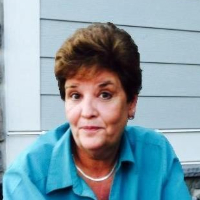












Steve Reinoehl
LPC
Pennsylvania - 16 yrs exp










How personality disorders therapy works for Pennsylvania residents
If you are exploring therapy for personality-related difficulties in Pennsylvania, it helps to know how treatment typically unfolds. Therapy for personality disorders is usually a sustained process that focuses on patterns of thinking, feeling, and relating that cause distress or interfere with daily life. Your therapist will begin by assessing your history and current concerns, working with you to identify goals that feel realistic and meaningful. Over time you will practice new ways of responding, build skills for emotional regulation and interpersonal effectiveness, and review progress toward the goals you set together.
Therapists in Pennsylvania commonly use structured approaches such as cognitive behavior based methods and therapies developed specifically for personality patterns. Treatment may involve individual sessions, skills training groups, family work, or coordinated care with psychiatrists when medication management is part of the plan. The pace and focus are tailored to your needs, so you can expect an individualized plan rather than a one size fits all approach.
Finding specialized help for personality disorders in Pennsylvania
When you are looking for specialized help in Pennsylvania, begin by prioritizing clinicians who list experience with personality disorders or related therapies on their profiles. Many providers in larger centers like Philadelphia and Pittsburgh describe training in therapies that are commonly used for these presentations. In smaller cities such as Allentown or Harrisburg you may find clinicians who combine general mental health care with focused work on personality patterns. Consider reaching out to therapists to ask about their clinical approach, typical treatment length, and experience with cases similar to yours.
Licensure matters because it ensures the clinician meets state requirements to practice. You can confirm licensure and learn about professional background from a therapist profile, and by checking the state licensing board if you want further verification. In addition to licensure, ask about specialized training, such as workshops or certifications in specific therapies. While credentials do not guarantee a perfect match, they provide useful information to help you weigh options as you browse profiles in the directory.
What to expect from online therapy for personality disorders
Online therapy is an accessible option for many Pennsylvania residents and can be particularly helpful if you live outside major urban centers or have scheduling constraints. When you start online work, your therapist will typically review technology needs, personal nature of sessions practices, and how sessions will be scheduled and billed. Sessions can replicate much of what happens in person - assessment, skills practice, and reflective exploration - and many clinicians integrate worksheets, homework, and digital resources to support progress between sessions.
You should consider how a virtual format fits your needs. If you already have a stable internet connection and a comfortable environment for private conversation, online therapy can be convenient and effective. Some people prefer a mix of virtual and in-person care, beginning online and shifting to face to face for portions of treatment. If group skills training is part of your plan, ask whether those groups meet online or locally, as formats can vary by provider and region.
Common signs that someone in Pennsylvania might benefit from personality disorders therapy
You might consider seeking specialized therapy if you notice recurring patterns that cause distress or make relationships and daily functioning difficult. These signs can include intense emotional reactions that seem out of proportion to the situation, repeated conflicts in close relationships, difficulties sustaining work or school roles, or a sense that your identity or goals shift in ways that feel confusing. You might also notice repeated cycles of feeling misunderstood or misunderstood by others, using extreme coping strategies, or having trouble trusting people despite wanting connection.
Seeking help does not require you to meet a specific checklist. If patterns feel stuck, lead to frequent crises, or interfere with the life you want, therapy can provide a structured place to explore alternatives. In Pennsylvania, whether you live in a dense urban neighborhood in Philadelphia, a riverfront community in Pittsburgh, or a smaller town near Allentown, therapists can work with you to clarify which patterns are most disruptive and which strategies have the best chance to help in your day to day life.
Tips for choosing the right therapist for this specialty in Pennsylvania
Choosing the right therapist is a personal decision and can feel daunting. Start by reflecting on what matters most to you in a clinician - directness, warmth, experience with particular therapies, or practicalities such as availability and insurance. Use the directory to compare profiles and look for clinicians who explicitly mention work with personality disorders, trauma, relationship patterns, or therapies commonly used for personality-related difficulties.
When you contact potential therapists, ask brief questions about their experience, typical session structure, and what a first month of therapy might look like. You might also inquire about options for lower cost care if budget is a concern, such as sliding scale fees, reduced rate clinics, or trainees who are supervised by licensed clinicians. Many therapists offer a short consultation call so you can get a sense of fit before committing to ongoing sessions.
Consider geography and logistics. If you prefer in-person work, look for clinicians practicing near major hubs like Philadelphia, Pittsburgh, or Allentown where a wider range of specialists may be available. If you need flexibility, prioritize therapists who offer online appointments and verify whether they are licensed to provide telehealth in Pennsylvania. Finally, trust your experience in early sessions - if you do not feel heard or understood, you have the option to discuss adjustments or look for someone whose style better matches your needs.
Continuing care and practical considerations
Therapy for personality disorders often benefits from continuity and regular review. You and your therapist will periodically assess progress toward your goals and adjust the plan as needed. In Pennsylvania, coordinating care with other professionals - such as primary care providers or psychiatrists - can be useful when medication, medical concerns, or co-occurring conditions are part of the picture. You can ask a therapist how they typically communicate with other providers and what to expect if referrals are recommended.
Practical matters such as insurance, session length, and cancellation policies vary by clinician. If insurance coverage matters to you, contact your carrier to confirm in-network providers and understand any preauthorization requirements. If cost is a barrier, ask therapists about sliding scale options or community resources in your area. Many people find that investing time in finding the right match pays off in the long run because it increases the likelihood that therapy will feel relevant and sustainable.
Finding hope and practical change
Working on personality-related patterns can be challenging, but it also opens the possibility of more predictable relationships, clearer self-understanding, and better coping strategies. You will likely practice skills in day to day situations, reflect on how past experiences shape current habits, and build a toolkit for handling stress and conflict. For residents of Pennsylvania, accessing a therapist who understands both the clinical aspects of personality disorders and the realities of your local context can make that process more manageable and meaningful.
As you explore options, use the directory to compare clinicians in Philadelphia, Pittsburgh, Allentown, and other Pennsylvania communities. Reach out with questions, schedule consultations, and take the time you need to find a clinician who feels like a good fit for the work ahead. The right therapeutic relationship can provide steady support as you pursue clearer patterns, stronger relationships, and a fuller sense of direction in your life.