Find a Postpartum Depression Therapist in Pennsylvania
This page features therapists in Pennsylvania who focus on postpartum depression, offering in-person and online options across the state. Use the listings to compare specialties, availability, and approaches. Browse below to connect with clinicians who may fit your needs.



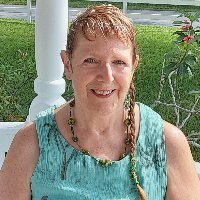


Julie Lynch
LPC
Pennsylvania - 12 yrs exp









Steve Reinoehl
LPC
Pennsylvania - 16 yrs exp









How postpartum depression therapy works for Pennsylvania residents
When you seek therapy for postpartum depression in Pennsylvania, the process typically begins with an intake conversation to understand your current experience, medical background, and support network. A clinician will ask about mood, sleep, feeding, and your relationship with the baby, and will work with you to set goals for treatment. Therapy tends to be collaborative - you and the therapist decide on an approach that fits your needs, whether that means weekly sessions, a short-term focused plan, or a longer therapeutic relationship. Many therapists trained in perinatal mental health emphasize practical strategies for managing symptoms alongside emotional processing and relationship work.
Therapists in Pennsylvania may offer in-person appointments in urban centers and hybrid schedules that combine face-to-face and online visits. If you live in a more rural area, online therapy can make specialized care more accessible. Throughout therapy, clinicians often coordinate with your obstetrician, pediatrician, or primary care provider when needed to ensure your overall well-being is addressed.
Finding specialized help for postpartum depression in Pennsylvania
Finding clinicians who specialize in postpartum depression means looking for experience with perinatal mental health, familiarity with the unique demands of early parenthood, and a practice style that aligns with your preferences. You can narrow your search by noting whether a therapist lists postpartum or perinatal mental health on their profile, mentions experience with breastfeeding or infant sleep concerns, or has training in approaches commonly used for postpartum mood disorders. In Pennsylvania, larger metropolitan areas such as Philadelphia and Pittsburgh often have clinics and multidisciplinary teams focused on perinatal care. In Allentown and nearby communities you may find therapists who combine community-based supports with clinical services.
Pay attention to logistics as well. Consider whether you prefer in-person sessions near your home or child care support, evening or weekend appointments, and whether the clinician offers telehealth. Insurance participation and sliding-scale options can influence which providers are accessible to you, so checking those details upfront can save time. If language or cultural matching is important, filter for clinicians who advertise bilingual services or experience with specific cultural communities.
What to expect from online therapy for postpartum depression
Online therapy can be an effective and convenient option when you are caring for a newborn. Sessions usually take place over video or phone and mimic the structure of in-person meetings - you and the therapist talk about symptoms, practice coping strategies, and review progress. You can expect a private appointment time when interruptions are minimized, and many clinicians recommend simple steps to make the most of remote sessions, such as choosing a quiet room, using headphones, and setting realistic session boundaries if other family members are present.
For new parents, online therapy removes some logistical barriers like travel and arranging child care, and it can connect you with specialists who may not be available locally. However, some people prefer occasional in-person contact for hands-on assessments, or for building rapport in the earliest sessions. Therapists often discuss these preferences with you and can offer a hybrid plan that blends online and in-person care if that suits your situation.
Licensing and telehealth considerations in Pennsylvania
Therapists who provide services to people living in Pennsylvania must generally be licensed to practice with residents of the state. If you choose online therapy, verify that the clinician is licensed or authorized to provide telehealth to Pennsylvania residents. If you are transitioning between states or temporarily away from home, ask your clinician about any licensing implications so you can understand where and how they can continue care.
Common signs that someone might benefit from postpartum depression therapy
You may consider reaching out for help if you notice persistent low mood, anxiety that interferes with daily tasks, or a loss of interest in activities you once enjoyed. Difficulty bonding with your baby, overwhelming guilt, or intrusive negative thoughts are also signs that professional support could be helpful. Sleep and appetite changes that do not improve when the baby's schedule normalizes, or feelings of being unable to cope with routine caregiving, are additional indicators. If you experience thoughts of harming yourself or your baby, it is important to seek immediate assistance through emergency services or a crisis line in your area.
Early intervention often leads to clearer paths forward. Therapy can provide symptom relief, practical strategies to manage day-to-day stressors, and support for relationships and parenting. Many people find that a combination of skills training and emotional processing improves their capacity to care for themselves and their family.
Tips for choosing the right postpartum depression therapist in Pennsylvania
When selecting a therapist, consider how their expertise matches the challenges you are facing. Ask whether they have specific training in perinatal mental health, experience working with feeding or breastfeeding concerns, and familiarity with trauma-informed approaches if past experiences affect your current mood. You may want someone who understands the medical and social systems in Pennsylvania, including local community supports and referral networks.
Practical fit matters as much as clinical approach. Think about whether you prefer a therapist who is directive and skills-focused, or someone who emphasizes exploration and processing. Check office hours and whether telehealth is offered to accommodate newborn schedules. Clarify billing, insurance acceptance, and sliding-scale availability so you can plan for cost. It is reasonable to ask about expected session length and how progress is measured - therapists should be able to describe their typical approach and adjust it to your goals.
Trust your instincts about rapport. The therapeutic relationship itself is a key ingredient in helpful outcomes - if you do not feel heard or understood after a few sessions, it is okay to explore other providers until you find one who feels like a good match. Many therapists in Pennsylvania offer a brief consultation call so you can ask questions about approach, experience, and logistics before committing to regular sessions.
Using local resources and community supports
In addition to individual therapy, you may find value in group programs, parent support groups, and community resources. Cities like Philadelphia and Pittsburgh often host perinatal mental health initiatives, workshops, and peer-led groups that can complement individual therapy. Community centers, birth centers, and local nonprofits may maintain calendars of support groups or educational offerings in Allentown and surrounding counties. Combining therapy with community-based supports can reduce isolation and introduce you to others who understand the unique challenges of new parenthood.
If you are unsure where to start, you can use the listings on this site to find therapists who list perinatal experience, offer telehealth, and accept your insurance or payment preferences. Reaching out for an initial appointment is a clear step toward getting the support you need.
Next steps
Deciding to seek help is an important step. Use the directory to compare profiles, read about clinicians' approaches, and note availability in your area. Whether you live in a city like Philadelphia, Pittsburgh, or Allentown, or in a smaller Pennsylvania community, skilled therapists are available who focus on postpartum mental health and can help you build strategies for coping, connection, and recovery. When you are ready, contact a provider to schedule a consultation and begin exploring a plan that fits your life and your family.