Find a Self Esteem Therapist in Pennsylvania
This page connects you with Self Esteem therapists practicing in Pennsylvania, including clinicians in Philadelphia, Pittsburgh, and Allentown. Browse the listings below to compare approaches, specialties, and availability to find a therapist who matches your needs.








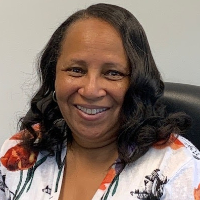
Terri Bassi-Cook
LPC
Pennsylvania - 36 yrs exp











How self esteem therapy works for Pennsylvania residents
If you decide to pursue therapy for self esteem in Pennsylvania, you will likely begin with an initial consultation that helps you and a therapist clarify what "self esteem" means for you. Some people come to therapy feeling generally low in self-worth, while others are responding to life changes such as job transitions, relationship difficulties, or experiences of discrimination. A therapist will typically spend early sessions exploring your history, current patterns of thinking and behavior, and the situations that most undermine your confidence. From there, you and the clinician work together to set goals and select techniques that match your needs and preferences.
Treatment approaches can vary. Cognitive-behavioral strategies help you identify and challenge harsh self-judgments and test new ways of thinking. Therapies that focus on self-compassion and acceptance help you develop a kinder inner voice and reduce self-criticism. Psychodynamic or relational approaches explore how early relationships shaped your sense of worth. Many therapists blend methods, tailoring interventions to your personality and life context. In Pennsylvania, you can find clinicians who practice in urban centers as well as therapists who offer flexible scheduling to accommodate rural commutes or shift work.
Finding specialized help for self esteem in Pennsylvania
When you look for a therapist who specializes in self esteem, pay attention to training, stated specialties, and experience with issues that overlap with self-worth such as depression, social anxiety, body image concerns, or identity development. Pennsylvania hosts a range of clinicians - from those in Philadelphia who may have experience with large, diverse caseloads to therapists in smaller communities who offer more continuity and local knowledge. You can narrow your search by reading therapist profiles for keywords like self-compassion, cognitive restructuring, or ego strength, and by noting whether a therapist mentions working with populations similar to yours, for example young adults, parents, LGBTQ+ clients, or people navigating cultural pressures.
Licensure matters because it indicates the standards a therapist has met in Pennsylvania. Many therapists list their license level and training, which helps you understand their background. If you have insurance, check whether clinicians accept your plan and whether they list sliding scale fees. In larger cities such as Pittsburgh and Allentown you may find more in-person options, while telehealth often expands access across the state if you live outside an urban center.
What to expect from online therapy for self esteem
Online therapy is a common option in Pennsylvania and can be especially useful if you live far from major centers or need flexible scheduling. When you start online work, expect many of the same tasks you would in person - assessment, collaborative goal setting, and homework between sessions - but delivered via video, phone, or messaging. Video sessions allow you to maintain visual contact which can help build rapport, while phone sessions may feel more accessible if technology or bandwidth is a concern. Messaging or brief check-ins can complement regular sessions for skill practice or accountability.
One practical consideration for online therapy is where you will take sessions. Find a time and place where you feel comfortable and able to focus - a parked car before work, a quiet room at home, or a midday break in an office are common choices. Therapists will usually discuss how they protect your privacy and how to handle emergencies before you begin. If you live in Pennsylvania and prefer face-to-face work, you can search for therapists in Philadelphia, Pittsburgh, or Allentown, but if you have mobility limitations or live in a rural county online therapy opens options that might otherwise be unavailable.
Common signs you might benefit from self esteem therapy
You might consider seeking help when negative self-talk feels pervasive and limits your ability to take healthy risks or pursue meaningful goals. If you notice patterns such as avoiding new opportunities, comparing yourself unfavorably to others, or feeling paralyzed by fear of making mistakes, therapy can offer strategies to shift those patterns. Persistent feelings of shame, chronic people-pleasing that leaves you drained, or difficulty setting boundaries are other indicators that working on self-esteem could be helpful. Sometimes low self-esteem appears alongside sadness, anxiety, or difficulty in relationships - addressing your sense of self can also change how you relate to others.
Because life stressors often interact with self-worth, events like job loss, relationship endings, or transitions to parenthood can trigger a reevaluation of your self-view. If you live in a busy urban environment like Philadelphia or a community with different cultural expectations, you may also struggle with messages about achievement or identity that erode self-esteem. Therapy gives you a space to make sense of these pressures and practice more supportive internal habits.
Tips for choosing the right therapist for self esteem in Pennsylvania
Ask about approach and experience
When you contact a therapist, ask how they conceptualize and treat self-esteem concerns. You can inquire about specific techniques they use, such as cognitive restructuring, self-compassion training, or narrative methods that help rewrite the stories you tell about yourself. Experience with populations similar to yours - whether that relates to age, cultural background, or life stage - helps ensure the therapist understands the context of your struggles. A good fit often comes from both shared expectations about goals and a therapist style that feels comfortable to you.
Consider practical factors
Think about scheduling, location, and cost. Therapists in Philadelphia, Pittsburgh, and Allentown may offer a range of hours, including evenings for people who work 9 to 5. If affordability is a concern, ask about sliding scale options or whether the therapist accepts your insurance. Many clinicians also explain cancellation policies and average session length during an initial call so you know what to expect financially and logistically.
Evaluate rapport and therapy fit
After one or two sessions you will get a sense of whether a therapist’s style matches your needs. It is normal to feel a bit uncomfortable when you begin, but you should also feel heard and respected. If you do not feel understood or if the therapist’s methods do not seem to help you move toward your goals, it is reasonable to discuss this openly or consider trying another clinician. Finding the right therapist can take time, and you are allowed to prioritize a relationship that helps you grow.
Putting therapy into practice in Pennsylvania
Once you begin work on self esteem, expect gradual shifts rather than overnight change. Therapists often assign exercises to practice new patterns - keeping a daily record of accomplishments, experimenting with boundary-setting, or practicing compassionate self-talk. These practices help translate insights from sessions into everyday life. If you live in a city like Philadelphia, you might pair therapeutic work with community resources such as support groups, workshops, or classes that reinforce new skills. If you live outside urban centers, you can seek online groups or resources that fit your schedule and interests.
Ultimately, therapy for self esteem is about building a more stable, flexible sense of self that helps you pursue meaningful relationships and goals. Whether you search the listings below for someone in your county or explore virtual options that let you connect with a therapist across the state, you can find professionals who understand the local landscape and are ready to support your growth. Take your time, ask questions, and choose a professional relationship that feels respectful and results-focused as you work toward greater self-appreciation and resilience.