Find a Trauma-Focused Therapy Therapist in Pennsylvania
Trauma-Focused Therapy is a targeted approach that supports recovery from the emotional and behavioral impacts of traumatic events. Use the listings below to find practitioners across Pennsylvania, review their specialties, and connect with clinicians who match your needs.









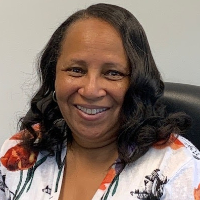











Steve Reinoehl
LPC
Pennsylvania - 16 yrs exp



What is Trauma-Focused Therapy?
Trauma-Focused Therapy is an umbrella term for therapeutic approaches that center on helping people process traumatic experiences and reduce the ways those experiences interfere with daily life. At its core, the work often combines safety and stabilization with techniques to process memories, change unhelpful beliefs, and develop practical coping skills. Therapists trained in trauma-focused methods pay attention to how trauma shows up in thoughts, emotions, behaviors, relationships, and the body, and they tailor treatment to the pace and preferences of the person seeking help.
Principles that guide the work
When you engage in Trauma-Focused Therapy, therapists typically emphasize careful assessment, an individualized treatment plan, and ongoing attention to your sense of safety. Early sessions may focus on establishing coping strategies and building resources so you have tools to manage distress between sessions. As therapy progresses, the focus often shifts to processing traumatic memories and shifting beliefs that developed in response to traumatic events. Throughout the process, a trauma-aware approach means practitioners consider cultural background, life context, and any current stressors that could influence recovery.
How Trauma-Focused Therapy is used by therapists in Pennsylvania
In Pennsylvania, therapists across settings - private practices, community clinics, hospital outpatient programs, and school-based services - use trauma-focused approaches adapted to local needs. Urban areas such as Philadelphia and Pittsburgh have a wide range of clinicians offering specialized trauma work for adults, adolescents, and children. In Allentown and other mid-sized communities, you can often find therapists combining trauma-focused modalities with family work or school consultation. Therapists in smaller towns and rural parts of the state may offer telehealth appointments to increase access while maintaining continuity of care.
Therapists in Pennsylvania commonly integrate several modalities into trauma-focused treatment based on training and client preference. Some clinicians emphasize cognitive approaches that help you examine and reframe trauma-related beliefs. Others include body-centered techniques to address the physiological sequelae of trauma. Many practitioners are trained in structured models designed for specific populations, and they combine those models with ongoing assessment and flexible pacing.
Issues Trauma-Focused Therapy is commonly used for
You might seek Trauma-Focused Therapy for a range of experiences that include interpersonal violence, childhood abuse or neglect, sudden losses related to accidents or disasters, medical trauma, community violence, or traumatic stress that follows deployment or emergency work. Therapists also work with people whose symptoms include nightmares, intrusive memories, strong startle reactions, avoidance of reminders, persistent negative beliefs, or challenges in relationships that developed after traumatic experiences. The approach can be adapted for single-incident trauma as well as complex or repeated traumas that span months or years.
What a typical Trauma-Focused Therapy session looks like online
When you attend Trauma-Focused Therapy online, a session often begins with a brief check-in about how you have been managing since the last meeting. The clinician may review safety and coping plans, discuss any acute needs, and set an agenda for the session. Sessions commonly last between 45 and 60 minutes and follow a predictable rhythm that helps create a sense of containment. Early online sessions often emphasize skills - grounding, breath regulation, or behavioral strategies - so you leave with tools to manage distress.
As the work progresses, you may do structured exercises with the clinician present, such as guided processing of memories or cognitive interventions to address trauma-linked beliefs. Your therapist will be mindful of the online setting and may recommend creating a quiet, uninterrupted space, using headphones, and having a list of calming activities nearby. Therapists also typically discuss privacy practices and emergency planning at the start of telehealth work so you know how to reach them and what steps to take if intense distress emerges between sessions.
Who is a good candidate for Trauma-Focused Therapy?
You may be a good candidate for Trauma-Focused Therapy if you notice that past traumatic experiences continue to affect your mood, relationships, or daily functioning and you are motivated to address those effects. People at various life stages - children, adolescents, adults, and older adults - can benefit from trauma-focused approaches when matched with appropriate modalities and supports. If you are currently experiencing severe instability, active substance use, or immediate safety concerns, a therapist may recommend initial stabilization or coordinated services before engaging in trauma processing work. A careful assessment and an open conversation about timing, goals, and supports help determine whether now is the right moment to begin.
How to find the right Trauma-Focused Therapy therapist in Pennsylvania
Start by narrowing your search to clinicians licensed to practice in Pennsylvania and trained in trauma-focused approaches that appeal to you. When reviewing profiles, look for information about specific training, years of experience with trauma work, and populations the therapist serves. If you have a preference for modalities such as trauma-focused cognitive behavioral interventions, EMDR, or somatic approaches, ask about the clinician's training and supervision in those methods. Consider whether you want a therapist who works primarily online, someone offering in-person sessions in cities like Philadelphia or Pittsburgh, or a clinician who provides a hybrid model that fits your schedule.
Practical considerations matter. Confirm whether a therapist accepts your insurance or offers a sliding scale, and ask about session length and typical frequency. An initial consultation is an opportunity to assess fit - you can ask how the therapist structures trauma work, what a typical treatment plan looks like, and how progress is measured. Trust your instincts about whether you feel heard and respected during that first conversation, since the therapeutic relationship itself is central to the work.
Questions to consider asking
When you contact a prospective therapist, it can be helpful to ask about their experience with trauma and specific populations, how they approach safety planning, and what tools they use to manage strong emotions in-session. You might inquire how they collaborate with other providers, such as primary care doctors or psychiatrists, if you receive medication or additional supports. Asking about cultural competence and experience working with people from backgrounds similar to your own can help ensure that the approach will feel relevant and respectful.
Practical tips for beginning care in Pennsylvania
Prepare for your first appointment by gathering any relevant records, jotting down your treatment goals, and listing questions you want to cover. If you plan to attend sessions online, find a quiet area, test your technology, and have a plan for handling interruptions. If you are looking for in-person work, check whether a therapist’s office is conveniently located in or near urban centers like Philadelphia, Pittsburgh, or Allentown, or whether they offer evening hours to match your schedule. Remember that finding the right match can take time - it is reasonable to try one or two consultations before deciding which clinician feels like the best fit.
Trauma-Focused Therapy can be a thoughtful, paced process that centers your preferences and safety. Across Pennsylvania, clinicians bring a mix of training, therapeutic styles, and life experience to the work. Use the directory listings to compare profiles, read about clinicians' approaches, and reach out to begin a conversation about the type of help you are seeking. Taking that first step to connect with a trauma-informed practitioner is an important move toward finding support that fits your life and goals.