Find a Vaping Therapist in Pennsylvania
This page highlights therapists who specialize in vaping-related support across Pennsylvania. You will find profiles for clinicians who work with teens, adults, and families in urban and rural communities. Browse the listings below to compare qualifications and reach out to a clinician who meets your needs.





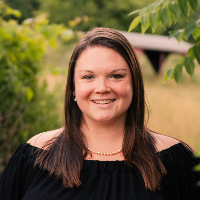
Julie Lynch
LPC
Pennsylvania - 12 yrs exp


















How vaping therapy typically works for Pennsylvania residents
If you are looking for help with vaping, therapy focuses on understanding the patterns that keep the behavior going and building practical alternatives. Sessions often start with an assessment of your vaping history, triggers, routines, and any attempts you have already made to cut back or quit. From there your therapist will work with you to set realistic goals, whether that means gradual reduction, establishing a quit date, or changing how you respond to cravings.
Many therapists use evidence-informed approaches such as cognitive-behavioral techniques, motivational strategies, and habit-replacement methods. Therapy addresses not just the act of vaping but the emotions, stressors, and social situations that make it harder to change. For younger people, clinicians often include family members in sessions to align support and create a consistent plan at home and at school. Because vaping can be tied to routines - like vaping during breaks, when stressed, or in social settings - therapy helps you develop new routines and coping skills that fit your life in Pennsylvania.
Finding specialized help for vaping in Pennsylvania
When you search for a therapist in Pennsylvania who understands vaping, look for clinicians who list tobacco cessation, nicotine dependence, or vaping on their profiles. Some therapists focus on adolescents and young adults, which can be helpful given vaping’s prevalence in that age group. If you live in a larger city like Philadelphia, Pittsburgh, or Allentown, you may find clinicians who also have experience working with school systems or community health programs, which can broaden the support options available to you.
It is useful to verify that the clinician has experience with the specific challenges you face - for example, dual use of cigarettes and vaping, vaping as a stress response, or nail-down plans for reducing nicotine levels. You can often filter or search listings for therapists who accept your insurance, offer sliding scale fees, or provide evening and weekend appointments to accommodate work and school schedules. If you live in a smaller town or a rural part of the state, telehealth options can expand your access to specialists who may not have offices nearby.
What to expect from online therapy for vaping
Online therapy for vaping typically involves video sessions that follow much the same structure as in-person visits. You will meet with a clinician for regular sessions, agree on goals, and work on skills between meetings. Many people find online therapy convenient because it removes commuting time and lets you meet from a comfortable place at home or another private setting. Sessions may include role-playing to practice refusing offers, guided exercises to manage cravings, and daily monitoring of vaping frequency to identify patterns.
Some therapists supplement video sessions with brief text or text-based messaging for check-ins between appointments. They may also use online worksheets and tracking tools to help you notice progress. If you are a teen or parent, discuss boundaries and consent for telehealth early in the process to make sure everyone knows how sessions will work. Keep in mind that some clinical services, including medication-related support, are coordinated through medical providers, so your therapist might suggest collaborating with your primary care clinician or a local health service when appropriate.
Common signs someone in Pennsylvania might benefit from vaping therapy
You might consider reaching out for professional help if vaping has started to interfere with your daily life. Signs can include frequent cravings that are hard to resist, repeated unsuccessful attempts to cut back, and vaping in situations where it creates problems - such as at school, work, or in relationships. If vaping is your primary way of coping with stress, anxiety, or boredom and you want more sustainable coping tools, therapy can help you build them. Parents may notice changes in sleep, mood, or school performance in adolescents who vape regularly, which can be a cue to seek support.
Another common indicator is when vaping leads to financial strain or a sense of loss of control. Even when physical health concerns are not at the forefront, the psychological and social impact of persistent vaping can make daily functioning harder. Therapy offers a space to explore the reasons you vape, to map triggers and high-risk moments, and to practice practical strategies for change.
Tips for choosing the right vaping therapist in Pennsylvania
Choosing the right therapist is a personal decision and it helps to be intentional about it. Start by looking at credentials and experience with nicotine use, tobacco cessation, or adolescent substance use. Read clinician profiles to understand their approach - some therapists favor a more skills-based, short-term model while others offer longer-term support focused on underlying issues. Consider whether you prefer in-person visits in cities like Philadelphia or Pittsburgh, or whether telehealth would be more practical for your schedule and location.
Think about logistical fit as well. Check whether the therapist accepts your insurance or offers a sliding scale, and ask about appointment availability that matches your work or school hours. It is also appropriate to ask about typical session length, expected length of treatment, and whether they involve family members when working with teens. An initial consultation can be a low-commitment way to see if the clinician’s style feels comfortable and if they have experience with vaping-related goals.
Questions to ask during an initial consultation
During a first call or meeting, ask how many clients the therapist has worked with on vaping or nicotine-related concerns and what strategies they commonly use. You can inquire about how they measure progress, what kind of between-session work they recommend, and how they coordinate care with medical providers when needed. If you or a family member is a student or employed in a setting with specific rules about substance use, ask how the therapist addresses those contextual factors. Listening to how the therapist answers these questions will help you assess whether their approach aligns with your expectations.
Local considerations - urban and rural access across the state
Pennsylvania’s mix of urban centers and rural communities affects how you might access care. In Philadelphia and Pittsburgh you will often find a greater number of therapists with varied specialties and niche experience, including those who work with youth or with community programs. In mid-sized cities like Allentown, Harrisburg, and Erie you can also find experienced clinicians, though appointment availability may vary. If you live farther from city centers, telehealth expands access to specialists who might otherwise be out of reach. Many people use a combination of in-person and online options based on convenience and the type of work they are doing.
Making the most of therapy for vaping
To get the most from therapy, be honest about your patterns and past attempts, and be open to trying new strategies even if they feel unfamiliar at first. Work with your clinician to create measurable goals and to identify situations that increase your risk of vaping. Practice the skills you learn between sessions and note small wins - for many people, gradual reduction supported by consistent coping strategies is a sustainable path. If you have family members or partners who want to support you, consider involving them so they can learn how best to help.
Ultimately, finding a therapist who understands vaping and the challenges you face in Pennsylvania can make a meaningful difference. Use the directory listings to compare clinicians, read profiles carefully, and schedule an initial consultation to see if a clinician is the right fit for your goals. Whether you live in Philadelphia, Pittsburgh, Allentown, or another community in the state, help is available and taking the first step often leads to steady progress.