Find a Self-Love Therapist in Rhode Island
This page lists Self-Love therapists practicing in Rhode Island, with profiles that describe approaches, credentials, and availability. Users can browse practitioners who work with adults, teens, and couples and filter by location or specialty. Explore the listings below to find a match near Providence, Warwick, Cranston, Newport, or elsewhere in the state.



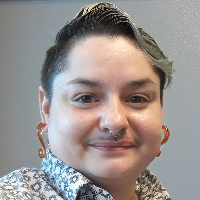
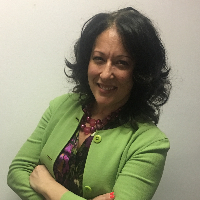


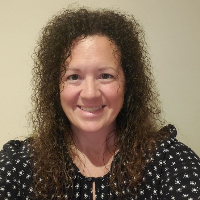










How self-love therapy works for Rhode Island residents
Self-love therapy is a supportive form of counseling that focuses on helping you develop a more compassionate relationship with yourself. In sessions you and a therapist work to identify patterns of self-criticism, unmet needs, and coping habits that undermine self-worth. Your provider will use conversation, reflective exercises, and skill-building practices to help you notice negative self-talk, reframe unhelpful beliefs, and practice behaviors that reinforce respect for your needs and values. Over time this approach aims to replace harsh internal judgments with steadier self-acceptance and healthier decision making.
In Rhode Island the experience of self-love work is shaped by local life - seasonal weather that affects routine, commuting between cities like Providence and Warwick, and the particular pressures of family and community relationships common in small-state living. Therapists who practice in the state often tailor interventions to fit your daily context - for instance helping you build small rituals that are realistic for a busy Newport schedule or developing strategies for maintaining self-care during long winters in Cranston.
Finding specialized self-love help in Rhode Island
When looking for someone who specializes in self-love you will want to consider both training and approach. Many therapists integrate cognitive-behavioral techniques that help change harmful thinking patterns, while others draw on acceptance-based approaches, compassion-focused therapy, or mindfulness practices that cultivate gentle awareness. Some clinicians emphasize body-positive or somatic work if your concerns relate to body image or embodiment. You can search listings to find clinicians who mention self-esteem, self-compassion, or related modalities in their profiles.
Geography matters when you prefer in-person appointments. Providence has a dense concentration of mental health services, which may offer more options for evening hours, multi-lingual clinicians, or specialists experienced with college-age adults. If you live in Warwick or Cranston you may find therapists who offer a mix of in-person and remote sessions to reduce travel time. Newport clinicians often have experience supporting clients who balance local life with seasonal visitor dynamics and careers tied to tourism and maritime industries. Many therapists in Rhode Island also offer sliding scale fees, accept insurance, or provide short-term consultation sessions so you can try an approach before committing to a longer plan.
What to expect from online self-love therapy
Online therapy can make self-love work more accessible across Rhode Island. You will typically meet by video or phone for a scheduled session that lasts about 45 to 60 minutes. In an online setting your therapist will still guide you through reflective exercises, use homework assignments to practice new habits between sessions, and teach tools for emotion regulation and self-compassion. Some therapists will share worksheets or audio practices to support mindfulness and guided self-reflection that you can use on your own time.
Before starting remote sessions you will want to check how the therapist manages appointment logistics, payment, and the method for connecting. Consider whether you have a quiet place to meet without interruptions and whether video or audio-only feels more comfortable. Many people find that online work reduces travel stress and allows scheduling around work or family obligations. If you live near a city like Providence you may combine occasional in-person sessions with online appointments when schedules or weather make travel difficult.
Signs you might benefit from self-love therapy in Rhode Island
You might consider seeking self-love therapy if you notice persistent self-criticism that leaves you feeling drained or unmotivated, if you avoid opportunities because of fear of failure, or if you struggle to set boundaries in relationships. Additional signs include difficulty accepting compliments, repeated decisions that prioritize others at the expense of your needs, or chronic feelings of shame that interfere with work, friendships, or family life. These patterns can be subtle and build up over years, but therapy can help you uncover how they developed and how to move toward more balanced self-regard.
Specific life transitions common in Rhode Island - such as career changes, college transitions in Providence, retirement planning in coastal communities, or relocating within the state - can stir up questions about identity and worth. You may find that working on self-love during these moments helps you make choices that align with your values rather than old patterns of pleasing or self-neglect.
Practical tips for choosing the right self-love therapist in Rhode Island
Start by clarifying what you want from therapy. Do you want short-term skills to manage a specific pattern of self-criticism, or are you seeking deeper work around childhood experiences and long-standing beliefs about worth? Once you have a sense of goals, look for therapists who list self-esteem, self-compassion, or related methods on their profiles. Read clinician bios to understand their training, approach, and the populations they work with.
Pay attention to logistical fit. If you prefer meeting in person, check where a therapist is located and whether their hours match your schedule. If you need flexibility, prioritize clinicians who offer evening slots or online sessions. Consider practical questions about fees and insurance coverage and whether the therapist offers a sliding scale or short-term packages. Asking about experience with topics important to you - such as cultural identity, sexuality, trauma-informed care, or body-image concerns - will help ensure the therapist can meet your specific needs.
When you contact a therapist for the first time, notice how they respond. A clear explanation of their approach and what a first session will involve can help you decide whether to schedule. It is normal to try a couple of sessions with a therapist and then reassess whether the fit feels right. Good progress often depends on a combination of clinical skill and the interpersonal connection you build with the clinician.
Local considerations and resources
Rhode Island has community resources that can complement individual therapy. If you live near Providence you may have access to college counseling centers, support groups, and wellness programs that focus on self-compassion and stress management. Community mental health agencies across the state can offer referrals if cost or scheduling is a concern. Local libraries, community centers, and workshops in cities like Warwick and Cranston sometimes host classes on mindfulness and self-care that align with therapy work.
Finally, creating daily practices that reinforce self-love can make clinical work more effective. Simple habits - such as brief morning reflections, setting a small boundary each week, or scheduling a restorative activity - anchor the skills learned in therapy. Over time these actions help you build a kinder inner voice and a more resilient sense of self, which allows you to engage more fully with relationships and goals across Rhode Island.
Taking the next step
Use the listings above to compare profiles, read about approaches, and reach out to clinicians who seem like a good fit. You can prioritize practitioners in cities like Providence, Warwick, Cranston, or Newport if location matters, or search for therapists who offer remote sessions if flexibility is essential. Making the first contact is often the hardest part, but many people find that early conversations clarify expectations and set the tone for meaningful change. When you find a therapist who listens, respects your goals, and offers practical strategies, you will be well-positioned to strengthen self-compassion and build a more supportive relationship with yourself.