Find an Autism Therapist in South Carolina
Explore professionals who specialize in autism support across South Carolina. This page highlights therapists serving both local communities and remote clients - browse the listings below to compare experience and approaches.


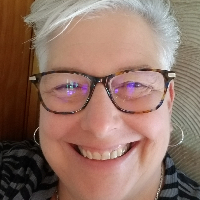


Mary Dellinger
LPC
South Carolina - 10 yrs exp









How autism therapy works for South Carolina residents
If you are seeking autism-focused care in South Carolina, therapy usually begins with an assessment that helps identify strengths, challenges, and immediate needs. Assessments vary by age and setting - for children the evaluation often includes developmental screening, observation, and work with caregivers, while for teens and adults the focus may be on communication, social interaction, sensory processing, and independent living skills. After assessment you and your clinician work together to develop a personalized plan that sets priorities and measurable goals. Progress is monitored over time and plans are adjusted as you notice changes or new challenges arise.
Therapy in South Carolina can take place in clinics, schools, community centers, and via online sessions. Many families find a combination of in-person and remote options works well when balancing school, work, and travel across the state. Therapists often collaborate with pediatricians, educators, and other specialists so that support is coordinated across environments - from early intervention programs in smaller towns to multidisciplinary teams in larger cities like Charleston and Columbia.
Assessment and individualized planning
An initial evaluation typically explores communication styles, behavior patterns, sensory preferences, and daily living abilities. You should expect the clinician to ask about developmental history, current routines, and areas where you want to see change. Based on this information you receive a treatment plan that outlines short-term and long-term goals, suggested therapy approaches, and recommendations for family involvement or school-based supports. If you live near Greenville or Myrtle Beach, you may find clinics offering interdisciplinary assessments that include occupational therapy, speech-language therapy, and counseling, helping you form a comprehensive plan.
Therapeutic approaches commonly used
Therapists often use evidence-informed approaches tailored to your needs and preferences. These can emphasize communication strategies, social skills training, behavioral support, sensory integration, and life-skills coaching. For children, therapies may also include parent coaching to reinforce new skills at home and in community settings. For adolescents and adults, interventions can focus on employment readiness, social relationships, and self-advocacy skills. When exploring options in South Carolina, ask how a clinician measures progress and how they involve family members or caregivers in the work.
Finding specialized help for autism in South Carolina
Start by identifying clinicians who list autism as a specialty or who have experience with developmental and neurodiversity-informed care. Search the directory for therapists based in your region or offering telehealth if you prefer remote sessions. In larger metropolitan areas like Charleston and Columbia you will find clinicians with varied backgrounds, including speech-language pathologists and occupational therapists who often partner with counselors. In Greenville and other Upstate communities, multidisciplinary clinics may offer integrated services, which can simplify coordination if you need multiple types of support.
Consider practical factors as you search. Location matters when you prefer in-person visits, while scheduling flexibility matters if you juggle school and work. Licensing and credentials are important, but so is a clinician's experience with the age group and specific goals you have in mind. You can contact therapists to ask about their approach, typical session structure, and how they involve families or support networks. Reliable referrals can also come from pediatricians, school special education teams, and local support organizations that serve neurodiverse communities across the state.
What to expect from online therapy for autism
Online therapy has become a useful option in South Carolina for people who live outside major urban centers or who need greater scheduling flexibility. When you choose remote sessions, you can expect many of the same planning and assessment steps as in-person care. Therapists use video sessions to teach communication strategies, coach caregivers, and practice social skills. They may assign activities to do between sessions and provide feedback based on video-recorded interactions or observations you describe.
Online therapy works well when sessions are structured, goals are clear, and you have a quiet location for video meetings. If you live near Myrtle Beach but find local options limited, telehealth can connect you with providers in Charleston or Columbia without lengthy travel. It is helpful to confirm what technology the clinician uses, how they handle scheduling, and what to do if a session needs to be rescheduled. Many therapists combine remote coaching with periodic in-person visits for targeted assessments or hands-on support when that is helpful.
Practical tips for remote sessions
Choose a distraction-reduced space for video calls and think about what materials you might use during sessions - toys, communication cards, or household items can all be effective. Set clear goals with your therapist about what you want to accomplish through online work, and ask how progress will be tracked. If caregivers are involved, agree on their role during sessions so you get consistent practice and reinforcement between appointments.
Common signs someone in South Carolina might benefit from autism therapy
You might consider seeking an evaluation if you notice persistent differences in communication and social interaction, such as delayed speech development, difficulty maintaining eye contact, trouble understanding social cues, or challenges with back-and-forth conversation. Behavioral patterns that interfere with daily life - repetitive movements, intense focus on specific interests, difficulty with changes in routine, or strong sensory sensitivities - can also indicate that targeted support would be helpful. For adolescents and adults, increasing social anxiety, difficulty adapting to workplace expectations, or challenges with daily organization and independent living are reasons people seek autism-informed therapy.
Because experiences vary widely, early help can make a meaningful difference in developing practical skills and coping strategies. If you are unsure, a qualified clinician can perform an initial screening and recommend next steps, whether that means direct therapy, coaching for family members, or referrals to educational and community resources within South Carolina.
Tips for choosing the right therapist for autism in South Carolina
When choosing a therapist, look for someone who communicates clearly about their methods and has experience with the specific challenges you want to address. Ask about their background working with your age group and whether they collaborate with other professionals when needed. You should also inquire about how they measure outcomes and how often they involve caregivers or support networks in treatment.
Location and availability are practical considerations - if you prefer in-person treatment, check options in nearby cities like Charleston or Columbia, and if you need more flexibility consider therapists who offer online sessions. Take the time to schedule an initial consultation to get a sense of the clinician's style and whether it feels like a good fit. Trust and rapport matter - you should feel heard and supported as you pursue goals that improve daily functioning and quality of life.
Finally, consider long-term needs. Some people start with short-term goals and later focus on life transitions such as school changes, vocational planning, or independent living. A therapist who is willing to adjust approaches over time and who connects you with local resources - from educational supports to community groups in Greenville and beyond - can provide sustained value as needs evolve.
Moving forward in South Carolina
Finding the right autism therapist is a personal process. Use the directory listings to learn about clinician specialties, read profiles, and reach out with questions about their approaches and availability. Whether you are exploring services for a young child in a smaller town or looking for adult-focused support in Charleston or Columbia, there are therapists in South Carolina who focus on neurodiversity-attuned care. Take advantage of initial consultations to compare styles and find a clinician whose approach aligns with your goals and values.
When you take that first step, you set a path toward clearer goals, practical strategies, and better coordination with the people and systems in your life. With thoughtful searching and some guided conversations, you can find a therapist who helps you and your family build skills, navigate transitions, and pursue a meaningful day-to-day routine across South Carolina.