Find a Control Issues Therapist in South Carolina
This page lists therapists who specialize in control issues across South Carolina. Browse the profiles below to compare approaches, availability, and areas of focus.






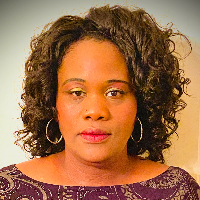

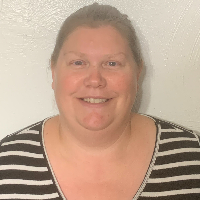
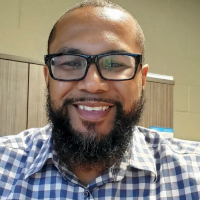

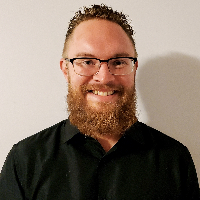












How control issues therapy works for South Carolina residents
If you are dealing with control issues you may be looking for practical strategies to change patterns that feel overwhelming or limiting. Therapy for control issues typically focuses on understanding the beliefs and fears that drive controlling behaviors and on building skills to respond differently. In South Carolina you will find clinicians offering both short-term skill-based work and longer-term exploration depending on your goals. Sessions usually begin with assessment of the problem - what situations trigger controlling responses, how relationships are affected, and what you hope to change. From there a therapist helps you develop alternatives to control, practice those alternatives in everyday life, and reflect on progress over time.
Finding specialized help for control issues in South Carolina
When you search for a therapist in South Carolina look for clinicians who list control issues or related concerns such as anxiety about uncertainty, relationship struggles tied to rigidity, or difficulty delegating. Licensure titles vary - many professionals hold credentials as counselors, social workers, marriage and family therapists, or psychologists - and each brings a different orientation. If proximity matters you can filter by city to find someone near you in Charleston, Columbia, Greenville, or the Grand Strand area around Myrtle Beach. Rural and suburban counties also have practitioners who understand local community values and stressors. You may also want to look for therapists who mention experience with particular approaches - for example cognitive-behavioral methods, acceptance-based techniques, or trauma-informed care - so that the clinical style matches what you prefer.
What to check before you book
Before scheduling a first session, consider practical details that affect whether a therapist is a good fit for you. Check whether they offer in-person appointments in locations you can reach and whether they provide online work that suits your schedule. Look at bios to see how much experience they have with control-related concerns and whether they mention working with individuals, couples, or families. Reach out and ask about session length, fees, insurance or sliding scale options, and typical treatment timelines for issues like yours. Asking a few targeted questions early on can save time and help you find someone who meets both your emotional and logistical needs.
What to expect from online therapy for control issues
Online therapy can be a flexible and effective option, especially if you live outside major urban centers in South Carolina or need appointments outside traditional hours. With telehealth you can connect from home or another comfortable environment, which makes it easier to fit regular visits into a busy week. You should expect most online sessions to mirror the structure of in-person work - an initial assessment, followed by sessions focused on skills practice, reflection, and goal-setting. Technology-wise, you will need a reliable internet connection and a quiet place to talk. If you are working across state lines be aware that clinicians must follow licensing rules - many therapists will note whether they are able to provide online care to South Carolina residents. If you prefer a blend of in-person meetings and virtual check-ins you can ask about hybrid models as well.
Therapeutic techniques often used
Therapists commonly draw from several evidence-informed methods when addressing control issues. Cognitive-behavioral strategies help you identify unhelpful thoughts that justify controlling actions and replace them with more flexible thinking. Acceptance-based approaches teach techniques to tolerate uncertainty and reduce reactive attempts to manage outcomes. Some therapists use skills from dialectical behavior therapy to strengthen emotional regulation and distress tolerance, while others incorporate mindfulness practices to increase awareness of impulses to control. Therapy may also explore underlying experiences - such as early family dynamics or past losses - that contribute to a need for control. You and your therapist can decide together which techniques feel most useful for your situation.
Signs someone in South Carolina might benefit from control issues therapy
You might consider reaching out for support if control-related patterns cause distress or interfere with relationships, work, or daily life. Common signs include frequent arguments about decision-making, difficulty delegating tasks at work or home, persistent anxiety when plans are uncertain, or a tendency to micromanage others. You may notice that you feel exhausted from trying to manage outcomes or that loved ones withdraw because they feel stifled. Control concerns can show up differently across contexts - in a partnership in Charleston, in a workplace in Columbia, or when caring for family in Greenville - but the common thread is that attempts to control no longer bring the relief they once did. If these patterns are impacting your health or important relationships, therapy can offer a place to practice new ways of being.
Tips for choosing the right therapist in South Carolina
Start by clarifying what you want to change and what style of help feels most helpful. If you prioritize practical tools, look for clinicians who mention behavioral or skills-based work. If you want to explore deeper patterns and life history, seek someone who lists psychodynamic or integrative approaches. Consider geographic convenience and whether you prefer in-person sessions in a nearby office or the flexibility of online care. Read therapist profiles to understand their areas of focus and training, and do not hesitate to contact a few to ask about their experience with control issues. During an initial conversation notice whether you feel heard and whether the therapist outlines a clear approach to treatment. If you are seeking care for couples or families, check whether the clinician has experience with relational work and whether they offer joint sessions.
Cost, insurance, and accessibility
Costs vary widely, so ask about fees and insurance coverage up front. Many therapists list whether they accept major insurers or offer a sliding scale based on income. If affordability is a concern, consider asking about shorter sessions, group work, or community clinics in larger cities like Columbia and Greenville where lower-cost options may be available. Some employers and community health programs in South Carolina also provide access to behavioral health resources - it can be helpful to research local offerings and ask a prospective therapist about payment options and any documentation needed for reimbursement.
Moving forward - practical next steps
When you are ready to search, use the listings to filter by location, availability, and approach. Reach out and ask a few specific questions - about experience with control-related challenges, session frequency, and how progress is measured - and trust your impression after the first session. Therapy is a collaborative process and it is reasonable to try a few clinicians before settling on the one that feels right. Whether you live near the coast, in a college town, or a smaller community, there are therapists across South Carolina who work with control issues and can support you in creating more ease and flexibility in daily life.
Connecting with care in your community
Finding the right therapist is an important step, and local context can matter. Clinicians in Charleston may be familiar with stressors related to coastal living and tourism-driven schedules, while therapists in Columbia may have experience supporting people balancing family, school, and work. Greenville and surrounding areas often offer clinicians who understand both small-city dynamics and regional cultural values. If you live outside these centers, expect to find online options that reach into more rural counties. Take time to read profiles, ask direct questions, and choose someone whose approach aligns with your goals and rhythm of life.
Remember that change takes time and small shifts add up. With guidance tailored to your experience and a therapist who understands the local landscape, you can work toward reducing controlling patterns and increasing flexibility, connection, and well-being.